
10 Amazing Facts About Cats That Will Surprise You

Cats have been our beloved companions for thousands of years, yet they continue to amaze us with their mysterious and unique qualities. From their remarkable physical attributes to their intriguing behaviors, there is so much more to cats than meets the eye. Let’s dive into 10 captivating facts about cats that you might not know.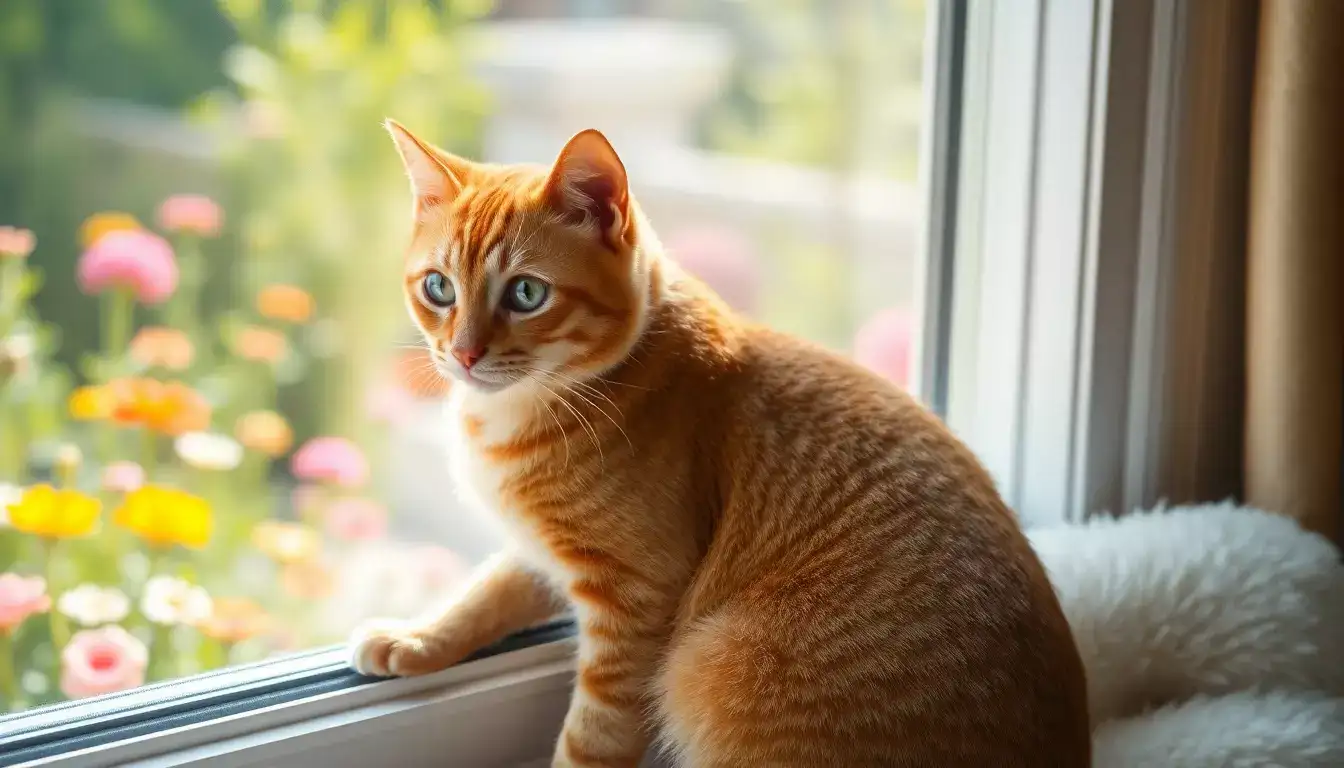
1. Cats Can Rotate Their Ears 180 Degrees
One of the most remarkable abilities cats have is the ability to rotate their ears 180 degrees. Unlike humans, whose ears are fixed in place, cats' ears are controlled by over 30 muscles, allowing them to move independently with pinpoint precision. This incredible ability helps them locate prey and communicate with others by adjusting their ears in response to different stimuli.
2. Cats Have a Third Eyelid
Cats possess a third eyelid, called the nictitating membrane, located at the inner corner of their eyes. This transparent eyelid moves horizontally and provides additional protection for their eyes, keeping them moist and free of irritants. Its visibility often indicates stress, illness, or discomfort.
3. A Group of Cats is Called a Clowder
While cats are typically solitary animals, feral cats may form colonies, and even indoor cats may bond socially in multi-cat households. A group of cats, also known as a clowder, can often be seen grooming each other or lounging together. The term “clowder” adds a fun twist to describing a group of cats.
4. Cats Have an Extraordinary Sense of Smell
A cat’s sense of smell is approximately 14 times more powerful than a human’s. This heightened sense allows them to locate prey, detect danger, and communicate with fellow felines. Their brain processes odors far more efficiently, making their sense of smell vital for their survival.
5. A Cat’s Purr Can Promote Bone Healing
Believe it or not, a cat’s purring is more than just a sign of contentment—it may help with bone healing. The frequencies of a cat’s purr have been shown to promote bone growth and repair, making their purring a natural tool for recovery and well-being.
6. Cats Are Desert Creatures at Heart
Despite being popular indoor pets, cats have evolved from desert-dwelling ancestors. Their bodies are equipped to handle dry, hot environments with efficient water conservation systems, thick coats for insulation, and sweat glands in their paws for cooling.
7. Cats Have an Exceptionally Flexible Spine
One of the reasons cats are such agile and acrobatic animals is their flexible spine. With more vertebrae than humans, cats can contort their bodies into remarkable positions, allowing them to hunt, stretch, and leap with impressive precision.
8. Cats Have a Keen Sense of Balance
Cats possess a finely-tuned sense of balance, aided by their inner ear and long tails. These features help them maintain stability during quick movements and when navigating tricky surfaces, from high shelves to narrow ledges.
9. Cats Cannot Taste Sweet Things
Unlike many animals, cats lack the taste receptors for sweetness. As obligate carnivores, they prefer savory, meaty flavors, which align with their diet. So when your cat turns its nose up at that piece of cake, it’s not being picky—it simply can’t taste the sweetness!
10. Cats Are Lactose Intolerant
While many people think of cats loving milk, the truth is most cats are lactose intolerant. They cannot properly digest lactose, the sugar found in milk, which can lead to digestive issues such as diarrhea or vomiting. Cats are better suited to a primarily meat-based diet.
1. Cats Can Rotate Their Ears 180 Degrees
One of the most remarkable abilities cats have is the ability to rotate their ears 180 degrees. Unlike humans, whose ears are fixed in place, cats' ears are controlled by over 30 muscles, allowing them to move independently with pinpoint precision. This incredible ability helps them locate prey and communicate with others by adjusting their ears in response to different stimuli.
2. Cats Have a Third Eyelid
Cats possess a third eyelid, called the nictitating membrane, located at the inner corner of their eyes. This transparent eyelid moves horizontally and provides additional protection for their eyes, keeping them moist and free of irritants. Its visibility often indicates stress, illness, or discomfort.
3. A Group of Cats is Called a Clowder
While cats are typically solitary animals, feral cats may form colonies, and even indoor cats may bond socially in multi-cat households. A group of cats, also known as a clowder, can often be seen grooming each other or lounging together. The term “clowder” adds a fun twist to describing a group of cats.
4. Cats Have an Extraordinary Sense of Smell
A cat’s sense of smell is approximately 14 times more powerful than a human’s. This heightened sense allows them to locate prey, detect danger, and communicate with fellow felines. Their brain processes odors far more efficiently, making their sense of smell vital for their survival.
5. A Cat’s Purr Can Promote Bone Healing
Believe it or not, a cat’s purring is more than just a sign of contentment—it may help with bone healing. The frequencies of a cat’s purr have been shown to promote bone growth and repair, making their purring a natural tool for recovery and well-being.
6. Cats Are Desert Creatures at Heart
Despite being popular indoor pets, cats have evolved from desert-dwelling ancestors. Their bodies are equipped to handle dry, hot environments with efficient water conservation systems, thick coats for insulation, and sweat glands in their paws for cooling.
7. Cats Have an Exceptionally Flexible Spine
One of the reasons cats are such agile and acrobatic animals is their flexible spine. With more vertebrae than humans, cats can contort their bodies into remarkable positions, allowing them to hunt, stretch, and leap with impressive precision.
8. Cats Have a Keen Sense of Balance
Cats possess a finely-tuned sense of balance, aided by their inner ear and long tails. These features help them maintain stability during quick movements and when navigating tricky surfaces, from high shelves to narrow ledges.
9. Cats Cannot Taste Sweet Things
Unlike many animals, cats lack the taste receptors for sweetness. As obligate carnivores, they prefer savory, meaty flavors, which align with their diet. So when your cat turns its nose up at that piece of cake, it’s not being picky—it simply can’t taste the sweetness!
10. Cats Are Lactose Intolerant
While many people think of cats loving milk, the truth is most cats are lactose intolerant. They cannot properly digest lactose, the sugar found in milk, which can lead to digestive issues such as diarrhea or vomiting. Cats are better suited to a primarily meat-based diet.






More from our partners


Loving Newspoint? Download the app now
