
10 Essential Items Minimalists Always Avoid Buying

Key Things Minimalists Refuse To Bring Into Their Homes: Minimalism is more than just a design aesthetic; it is a lifestyle centred on intentional living and reducing excess. Those who embrace minimalism prioritise quality over quantity, making deliberate choices about what enters their homes and lives. By avoiding unnecessary purchases, minimalists create space for experiences, focus on essentials, and maintain a sense of calm and order. Understanding what items are often skipped can provide valuable insights for anyone seeking a simpler, more purposeful life.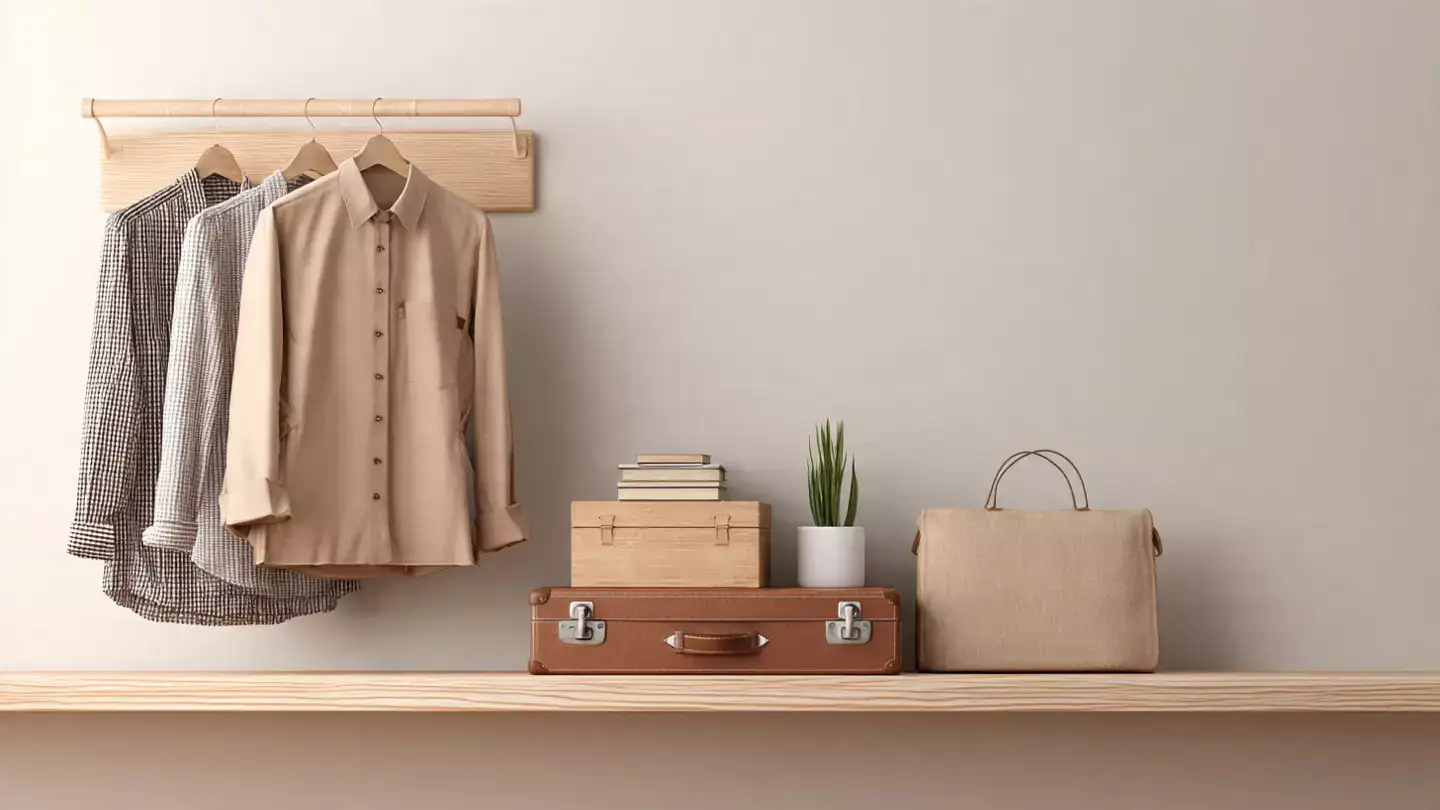
Image Courtesy: Meta AI
Cheap Fast Fashion
Minimalists tend to avoid cheap, fast fashion items that are poorly made and designed to be quickly discarded. Instead of following every trend, they invest in durable, timeless clothing pieces that serve multiple purposes. This approach not only reduces waste but also promotes sustainable shopping habits and long-term wardrobe satisfaction.Single-Use Kitchen Gadgets
Kitchen gadgets that serve only one function, like avocado slicers or egg separators, rarely make it into a minimalist home. Minimalists prefer multi-purpose tools that simplify cooking and reduce clutter. By choosing functional essentials, they maintain an organised, efficient kitchen while avoiding unnecessary accumulation of items.Trendy Home Décor
Decor items bought purely for trends are often avoided by minimalists. Rather than filling spaces with objects that lose appeal quickly, they focus on meaningful, timeless décor. This practice helps create serene, clutter-free environments where every item has a purpose or sentimental value.Excessive Electronics
Minimalists are selective about electronics, buying only what they truly need. Unused or redundant devices, such as duplicate gadgets or novelty tech, are generally avoided. Prioritising essential electronics simplifies life, reduces distractions, and encourages more mindful use of technology.Impulse Purchases
Impulse shopping is the enemy of minimalism. Minimalists carefully plan purchases and avoid items bought on whim, understanding that unneeded products contribute to clutter and financial strain. Practising self-discipline in spending allows them to focus resources on experiences and high-quality essentials.Overly Decorative Stationery
Excess stationery like fancy notebooks, stickers, or novelty pens often goes unused and adds unnecessary clutter. Minimalists choose functional, high-quality supplies that serve a purpose, reflecting their preference for practicality and simplicity.Excessive Home Cleaning Products
Instead of buying dozens of specialised cleaners, minimalists rely on multi-purpose, eco-friendly products. This approach saves space, reduces chemical exposure, and simplifies household maintenance while still maintaining cleanliness and hygiene.Trendy Fitness Equipment
Minimalists tend to avoid single-use fitness gadgets or exercise tools that occupy space without being essential. They prefer versatile equipment, like yoga mats or resistance bands, that support a variety of exercises while remaining compact and functional.Unnecessary Decorations And Trinkets
Souvenirs, collectibles, or decorative trinkets that serve no real purpose are often left out of a minimalist lifestyle . Minimalists focus on items that offer utility or meaning, creating uncluttered spaces that feel intentional and peaceful.Bulk Purchases Of Unused Items
Buying in bulk may seem practical, but minimalists avoid purchasing items they do not consistently use. Excess stockpiling can lead to waste and clutter. By buying only what is needed, they maintain simplicity and encourage mindful consumption.Image Courtesy: Meta AI






More from our partners


Loving Newspoint? Download the app now
