10 Essential Tips To Combat Delhi Air Pollution And Improve Lung Health

Delhi turns into a choking smog bowl every November, making it one of the most polluted cities on Earth. With AQI levels often spiking above 400, residents face serious health risks, from respiratory issues to anxiety and panic attacks. PM2.5 levels in the city have been recorded 20 times above the WHO standard, while PM10 levels surpass safe limits by 12 times. The good news is, there are effective steps you can take to protect yourself and your family during the pollution season.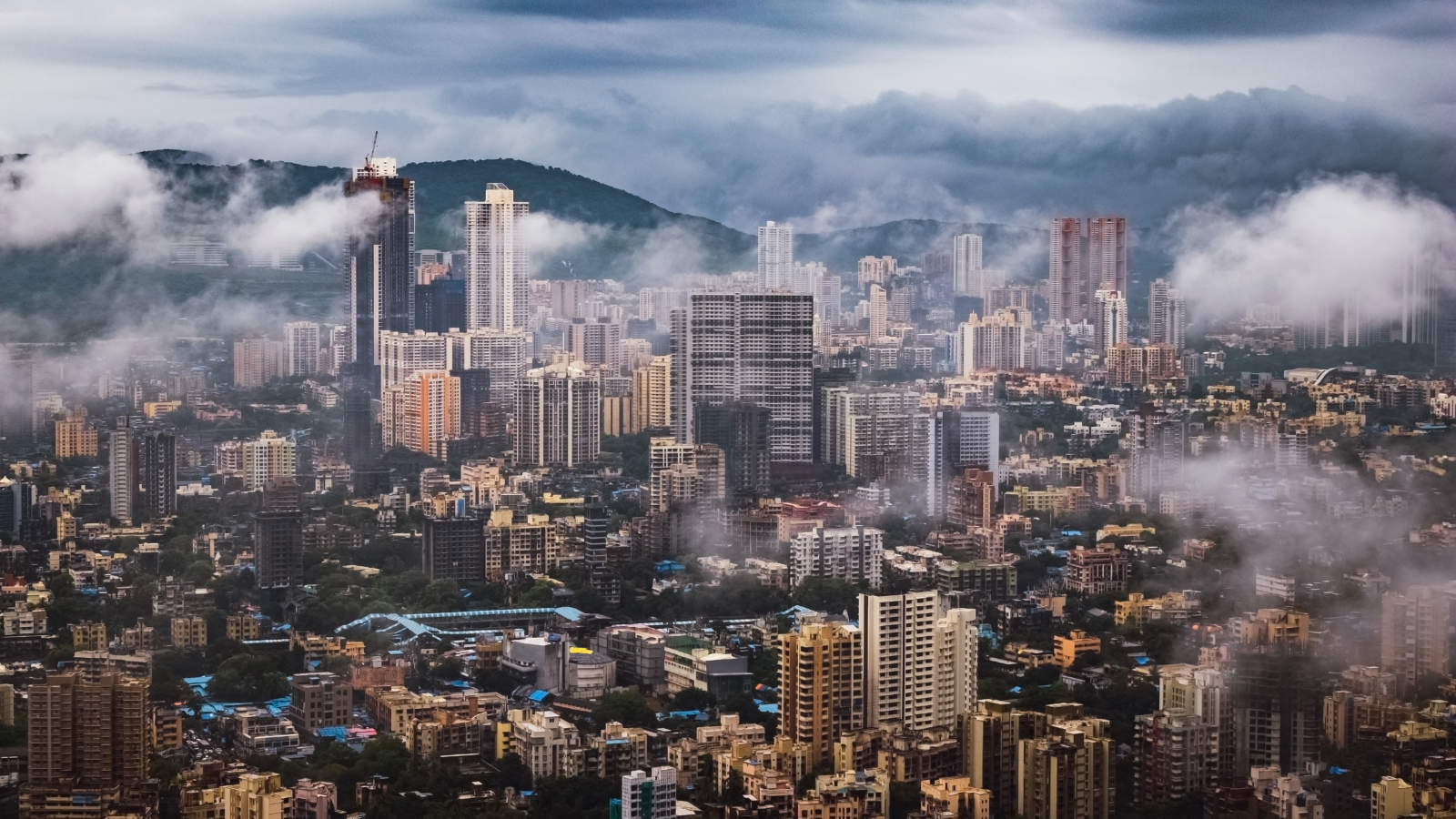
Understanding Delhi’s Air Pollution Crisis
The city’s air quality drops drastically during winter due to multiple factors. Vehicular emissions contribute around 40% of pollution, with over 11 million vehicles releasing harmful nitrogen oxides and particulate matter.
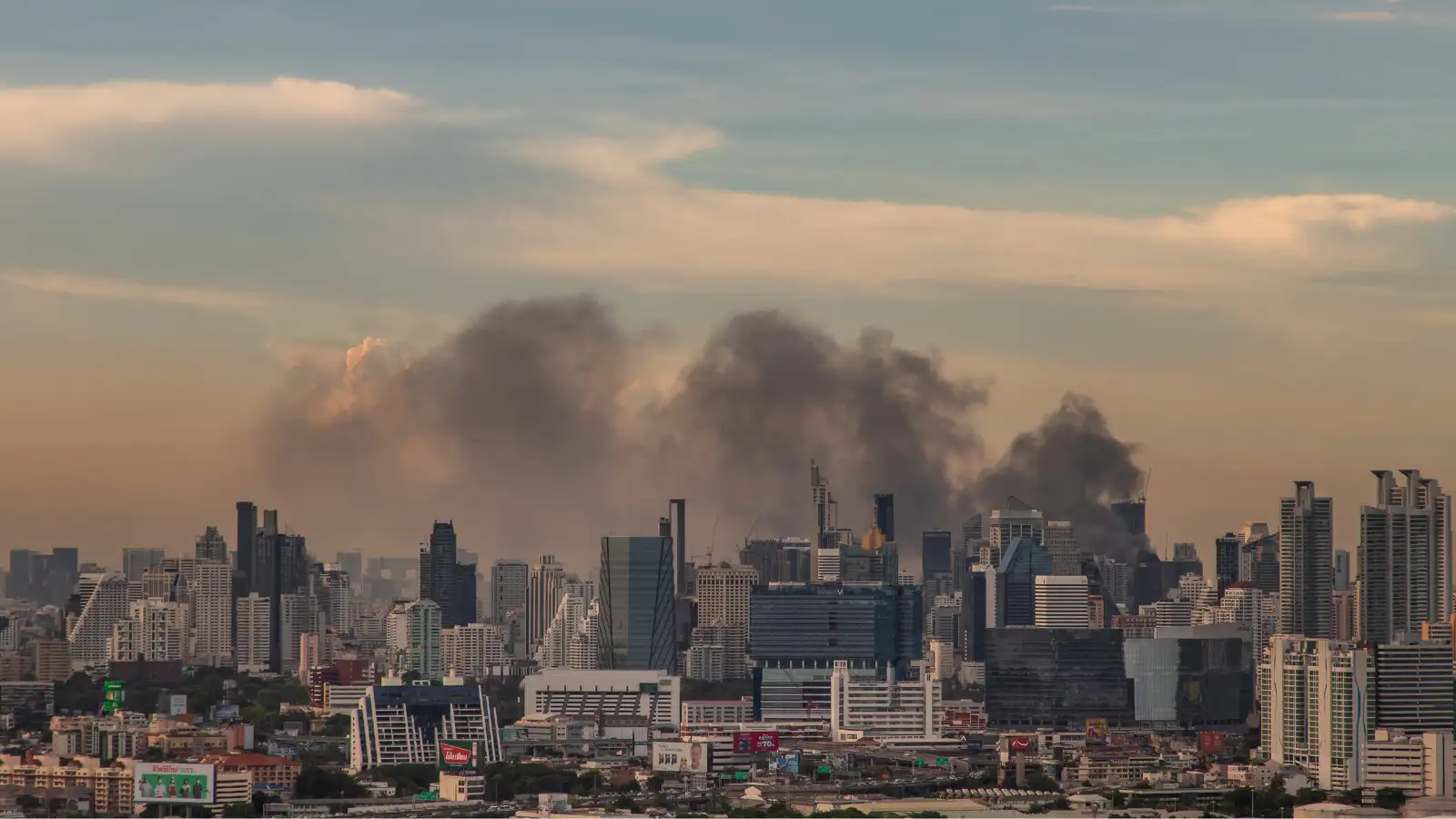
Stubble burning in Punjab and Haryana adds huge amounts of PM2.5 and PM10 to the air, while construction dust contributes 38% of PM2.5 and 56% of PM10 pollution.
1. Invest in N95 or N99 Masks
Regular cloth masks are insufficient. N95/N99 masks filter up to 99% of harmful particles. Opt for reusable masks with replaceable filters and ensure a snug fit around your nose and mouth for maximum protection.
2. Monitor Air Quality Regularly
Use apps like AQI India, AirVisual, SAFAR-Air, and Plume Air Report to check real-time pollution levels. Avoid stepping out during peak hours (6-10 AM, 5-9 PM) when air quality is worst.
3. Create a Clean-Air Sanctuary at Home
Use HEPA air purifiers, keep windows closed, and remove indoor pollutants like incense or smoking. Regular cleaning and using exhaust fans while cooking can help maintain safe indoor air.
4. Time Outdoor Activities Wisely
Exercise indoors when AQI exceeds 150. If you must go outside, choose late morning to early afternoon, avoiding busy roads and industrial zones. Indoor workouts, yoga, or gym sessions with filtered air are safer alternatives.
5. Boost Immunity with Antioxidants
Eat vitamin C-rich foods like oranges, lemons, amla, and bell peppers. Include spinach, berries, nuts, turmeric, ginger, tulsi tea, and omega-3 sources like flaxseeds and chia seeds. Staying hydrated helps flush toxins naturally.
6. Practice Breathing Exercises
Techniques like pursed-lip breathing and diaphragmatic exercises strengthen lungs and ease anxiety. Combining breathing with progressive muscle relaxation improves respiratory function and stress levels.
7. Maintain Proper Humidity
Use a humidifier to keep indoor humidity at 30-50%. Proper moisture prevents dry air irritation, coughing, and eases breathing for allergy or asthma sufferers. Clean humidifiers regularly to prevent bacterial growth.
8. Recognise Warning Signs
Mild symptoms like cough or itchy eyes are manageable, but chest pain, severe shortness of breath, wheezing, rapid heartbeat, or confusion require immediate medical attention. People with pre-existing conditions should always have emergency medications handy.
9. Make a High Pollution Day Plan
When AQI crosses 300, stay indoors, seal windows, run air purifiers, and postpone non-essential outdoor activities. Wear N95 masks for any unavoidable trips and monitor vulnerable family members closely.
10. Mind Your Mental Health
Air pollution can impact psychological wellbeing. Practice meditation, journaling, and indoor exercise to manage stress. Maintain social connections and seek professional help if anxiety or depression persists.
Delhi’s pollution crisis is real, but protecting your health is possible. Stay informed, take precautions, and prioritise your lung health . Advocacy for clean air is also crucial, everyone deserves to breathe safely.
Disclaimer: This article is for informational purposes only and should not be considered medical advice. Please consult a healthcare professional for personalised guidance. NewsPoint is not responsible for any decisions taken based on this information.
Understanding Delhi’s Air Pollution Crisis
The city’s air quality drops drastically during winter due to multiple factors. Vehicular emissions contribute around 40% of pollution, with over 11 million vehicles releasing harmful nitrogen oxides and particulate matter.Stubble burning in Punjab and Haryana adds huge amounts of PM2.5 and PM10 to the air, while construction dust contributes 38% of PM2.5 and 56% of PM10 pollution.
10 Essential Tips to Protect Your Lungs
1. Invest in N95 or N99 Masks
Regular cloth masks are insufficient. N95/N99 masks filter up to 99% of harmful particles. Opt for reusable masks with replaceable filters and ensure a snug fit around your nose and mouth for maximum protection.
2. Monitor Air Quality Regularly
Use apps like AQI India, AirVisual, SAFAR-Air, and Plume Air Report to check real-time pollution levels. Avoid stepping out during peak hours (6-10 AM, 5-9 PM) when air quality is worst.
3. Create a Clean-Air Sanctuary at Home
Use HEPA air purifiers, keep windows closed, and remove indoor pollutants like incense or smoking. Regular cleaning and using exhaust fans while cooking can help maintain safe indoor air.
4. Time Outdoor Activities Wisely
Exercise indoors when AQI exceeds 150. If you must go outside, choose late morning to early afternoon, avoiding busy roads and industrial zones. Indoor workouts, yoga, or gym sessions with filtered air are safer alternatives.
5. Boost Immunity with Antioxidants
Eat vitamin C-rich foods like oranges, lemons, amla, and bell peppers. Include spinach, berries, nuts, turmeric, ginger, tulsi tea, and omega-3 sources like flaxseeds and chia seeds. Staying hydrated helps flush toxins naturally.
6. Practice Breathing Exercises
Techniques like pursed-lip breathing and diaphragmatic exercises strengthen lungs and ease anxiety. Combining breathing with progressive muscle relaxation improves respiratory function and stress levels.
7. Maintain Proper Humidity
Use a humidifier to keep indoor humidity at 30-50%. Proper moisture prevents dry air irritation, coughing, and eases breathing for allergy or asthma sufferers. Clean humidifiers regularly to prevent bacterial growth.
8. Recognise Warning Signs
Mild symptoms like cough or itchy eyes are manageable, but chest pain, severe shortness of breath, wheezing, rapid heartbeat, or confusion require immediate medical attention. People with pre-existing conditions should always have emergency medications handy.
9. Make a High Pollution Day Plan
When AQI crosses 300, stay indoors, seal windows, run air purifiers, and postpone non-essential outdoor activities. Wear N95 masks for any unavoidable trips and monitor vulnerable family members closely.
10. Mind Your Mental Health
Air pollution can impact psychological wellbeing. Practice meditation, journaling, and indoor exercise to manage stress. Maintain social connections and seek professional help if anxiety or depression persists.
Delhi’s pollution crisis is real, but protecting your health is possible. Stay informed, take precautions, and prioritise your lung health . Advocacy for clean air is also crucial, everyone deserves to breathe safely.
Emergency Contacts
- Delhi Pollution Control Committee: 1800-11-0007
- Emergency Medical Services: 102
- AIIMS Emergency: 011-2658-8500
- Safdarjung Hospital Emergency: 011-2673-0000
Disclaimer: This article is for informational purposes only and should not be considered medical advice. Please consult a healthcare professional for personalised guidance. NewsPoint is not responsible for any decisions taken based on this information.
Next Story