
10 Expert Tricks for Smooth, Bakery-Style Frosting at Home

There’s almost nothing more disappointing than cutting into a homemade cake only to find the frosting is grainy, overly sweet, or just melts away on your fork. Meanwhile, every bakery cake you enjoy has beautifully smooth, creamy frosting that tastes and looks professional. The secret isn’t magic. It’s technique. These ten proven frosting hacks are the reasons bakeries get perfect results every time. With the right tips on ingredients, temperature, and mixing, you can take your homemade buttercream frosting to bakery level, even without expensive equipment or a professional kitchen.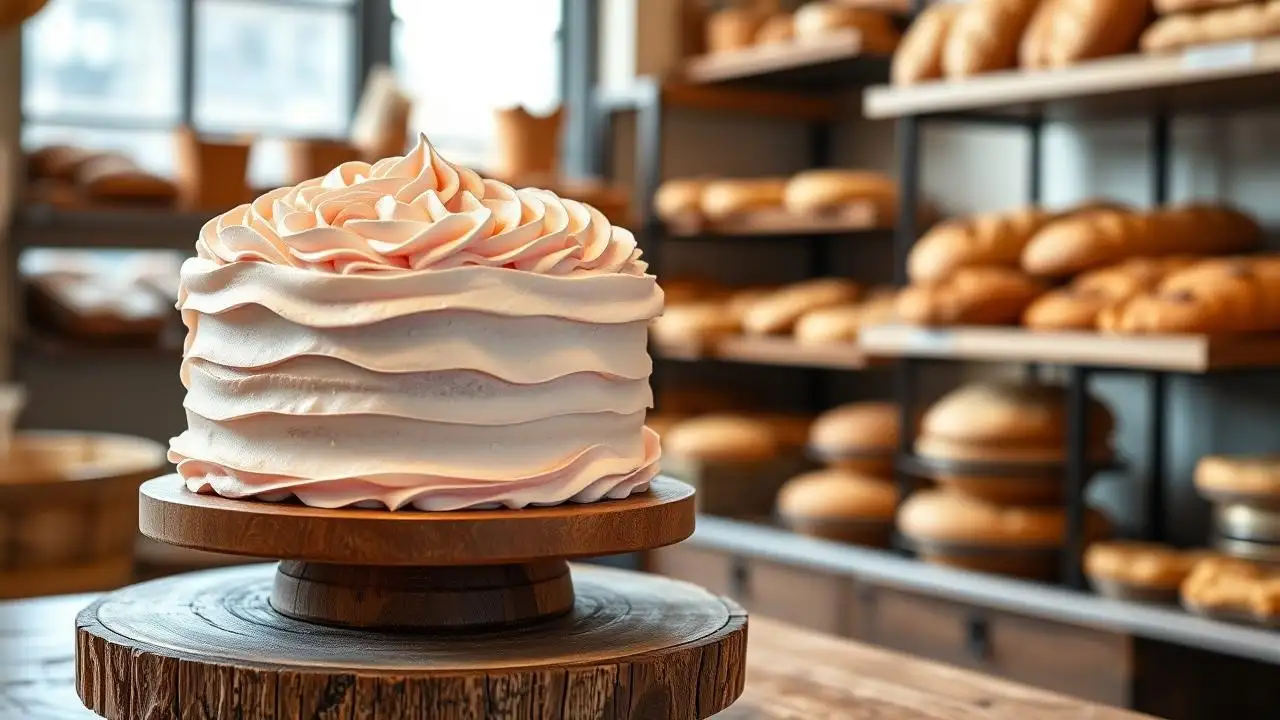
Before we explore the hacks, here’s a dependable base recipe for bakery-style vanilla buttercream frosting that will cover 12–15 cupcakes or an 8–9-inch two-layer cake.
4 cups (480g) powdered sugar, sifted
2 tablespoons cornstarch
3–4 tablespoons room-temperature milk or water
2 teaspoons vanilla extract
¼ teaspoon salt
Method:
Add powdered sugar one cup at a time on low speed, scraping the bowl as you go.
Once all sugar is in, beat on high for at least 3 minutes.
Adjust the texture: add a little extra water if too thick, or more sugar if too thin.
Now let’s look at the 10 pro frosting hacks that make this buttercream truly bakery quality.
Gel food colouring works best. Liquid colours add unwanted moisture.
If you plan on detailed piping in warm weather, chill the frosting for about 15 minutes before use so it holds shapes better.
Forgetting to scrape the bowl leaves sugar stuck to the sides and hidden lumps inside.
Before we explore the hacks, here’s a dependable base recipe for bakery-style vanilla buttercream frosting that will cover 12–15 cupcakes or an 8–9-inch two-layer cake.
A Simple Bakery-Style Vanilla Buttercream Frosting (Base Recipe)
Ingredients:- ½ cup (115g) unsalted butter, slightly softened
- ½ cup (95g) vegetable shortening (important for texture)
- Beat the butter and shortening together on medium speed for 1–2 minutes until light and fluffy.
- Mix cornstarch with 3 tablespoons of water, then add the vanilla and salt.
- Add this mixture to the fats and beat until smooth.
Hack 1: Don’t Skip the Shortening
Using only butter sounds tempting, but that can lead to a greasy or overly buttery frosting. Professional bakers blend butter with shortening because shortening adds structure and helps the frosting hold its shape, especially in warm kitchens. In India, you can use brands like Crisco or Dalda.Hack 2: Add Cornstarch for Cloud-Like Texture
Mixing cornstarch with water before adding it makes the frosting lighter and airier, almost whipped-cream like. Without it, your frosting can feel heavier and denser than you want.Hack 3: Get Butter at the Right Softness
“Slightly softened” butter is not the same as fully warmed. The butter should give an impression when you press it, but not look oily or melted. In hearty Indian weather, that often means just 15–20 minutes out of the fridge before mixing.Hack 4: Beat Long Enough
Most home bakers stop mixing once the sugar disappears. True bakery-style buttercream needs at least 3 minutes of high-speed beating after all ingredients are in. That extra time traps air and gives you a light, fluffy, pipable texture.Hack 5: Use Room-Temperature Liquids
Pouring cold milk or water into your frosting can cause lumps or separation because it shocks the fats. Always use liquids that are at room temperature for the smoothest results.Hack 6: Sift Your Powdered Sugar
Even store-bought powdered sugar can form tiny clumps during storage, which turn into grainy bits in your frosting. Sifting before mixing ensures a silky smooth consistency.Hack 7: Add a Pinch of Salt
Just a few grains of salt can balance out the sweetness and bring out the vanilla flavour beautifully. Too much will overpower it, so start small and add more only if needed.Hack 8: Try the Hot Spatula Trick
Professionals often smooth buttercream with a warm spatula or bench scraper. Running the metal under hot water and wiping it dry before smoothing your frosting gives it that polished, nearly glossy finish many bakery cakes have.Hack 9: Fix Texture the Right Way
If your frosting feels too thick, add liquid one teaspoon at a time. If it is thin and runny, check the temperature first. Refrigerating briefly can help firm it up without over-sweetening by dumping in more sugar.Hack 10: Store and Re-Whip Properly
You can make buttercream ahead of time. At room temperature, it keeps for about 3 days, or up to a week in the fridge. When using refrigerated frosting, bring it fully to room temperature and re-whip for a few minutes. That restores its soft, airy texture.Bonus Tips for India’s Climate
- High humidity can make frosting melt. Add an extra 2 tablespoons of powdered sugar or keep your finished cake cool if temperatures exceed 28°C.
Common Frosting Mistakes to Avoid
- Not beating long enough leads to lumpy or dense frosting.
- Using salted butter can make your frosting taste too salty.
- Over-softened or melted butter turns frosting soupy.
Easy Variations Once You Master the Basics
Once your vanilla buttercream is perfect, you can make other flavours by adding ingredients like cocoa for chocolate frosting, fruit purees for fruit-flavoured buttercream, instant coffee for coffee flair, or citrus zest for a refreshing twist.Next Story