
10 Fascinating Facts About Pandas You Never Knew

Pandas are one of the most beloved animals in the world, known for their adorable looks and unique behavior. Here are some fascinating facts about these charming creatures: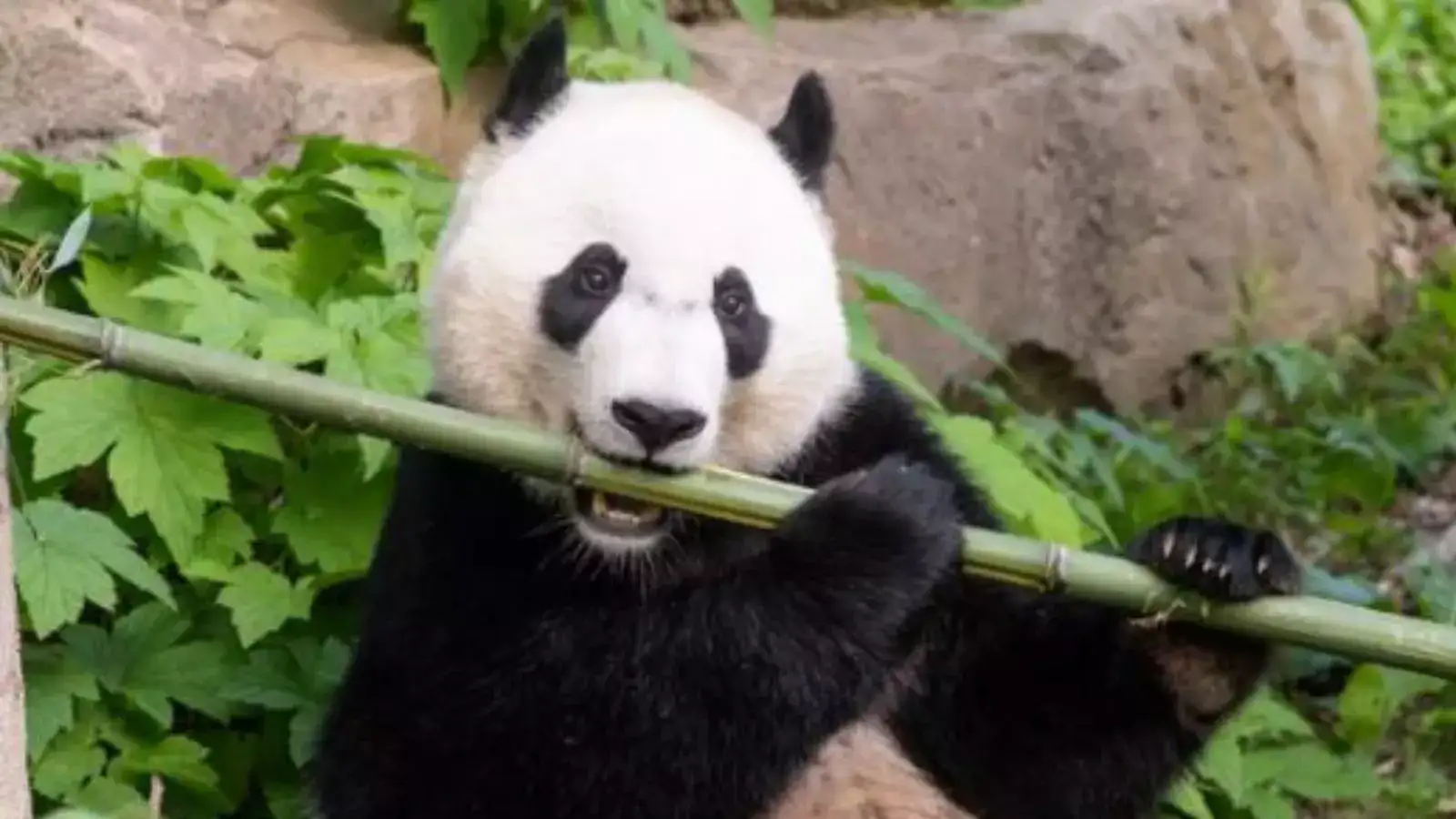
Giant Pandas Are Bears: Though they may seem like a separate species, giant pandas are technically a type of bear. They belong to the family Ursidae and are classified as a vulnerable species.
They Have a Unique Diet: Unlike most bears, which are omnivores, pandas are primarily herbivores. Their diet consists mostly of bamboo—up to 40 pounds per day! Though they are born carnivores, their digestive system hasn’t fully adapted to bamboo.
Pandas Have a “Pseudo-Thumb”: Pandas have an extra "thumb"—a modified wrist bone that helps them grip bamboo stalks. This adaptation is crucial for their feeding habits.
Slow Movers: Pandas are known for their laid-back lifestyle. They spend around 12 hours a day eating bamboo, and their slow movements are reflective of their low-energy diet.
They're Excellent Swimmers: Despite their chubby and slow appearance, pandas are skilled swimmers. They use their strong paws to paddle through water and are quite agile in their environment.
Babies Are Tiny: At birth, a panda cub is incredibly small, weighing about the same as a cup of tea. It’s about 1/900th of the mother's size and needs constant care and attention.
Pandas Have a Poor Sense of Smell: Compared to other bears, pandas have a relatively weak sense of smell, which is one of the reasons they are solitary animals and rarely interact with each other except during mating season.
They Are Solitary Creatures: Pandas live alone in the wild and typically have large home ranges. This solitary nature helps reduce competition for bamboo.
They Can Live Up to 30 Years in the Wild: In their natural habitat, pandas can live up to 30 years, though their lifespan tends to be a bit shorter in captivity due to the high-quality care they receive.
Panda Conservation Efforts Are Working: Thanks to decades of conservation efforts, giant panda numbers have steadily increased. They were removed from the "Endangered" list in 2016 and are now classified as "Vulnerable."
These amazing creatures continue to capture the hearts of people worldwide, and efforts to protect and preserve their natural habitats ensure they’ll be around for generations to come.
Giant Pandas Are Bears: Though they may seem like a separate species, giant pandas are technically a type of bear. They belong to the family Ursidae and are classified as a vulnerable species.
They Have a Unique Diet: Unlike most bears, which are omnivores, pandas are primarily herbivores. Their diet consists mostly of bamboo—up to 40 pounds per day! Though they are born carnivores, their digestive system hasn’t fully adapted to bamboo.
Pandas Have a “Pseudo-Thumb”: Pandas have an extra "thumb"—a modified wrist bone that helps them grip bamboo stalks. This adaptation is crucial for their feeding habits.
Slow Movers: Pandas are known for their laid-back lifestyle. They spend around 12 hours a day eating bamboo, and their slow movements are reflective of their low-energy diet.
You may also like
- Chanakya Niti: 5 Reasons Marriages Fail Even When There Is Love
- 5 Animals That Can Kill Without Ever Touching You
- Employees could receive significant benefits under the 8th Pay Commission, with demands being raised for the payment of arrears starting from 2026..
- 4 Natural Remedies to Boost Men's Vitality and Strength
- Banking: Up to four nominees can now be added to bank accounts; this will help reduce unclaimed deposits..
They're Excellent Swimmers: Despite their chubby and slow appearance, pandas are skilled swimmers. They use their strong paws to paddle through water and are quite agile in their environment.
Babies Are Tiny: At birth, a panda cub is incredibly small, weighing about the same as a cup of tea. It’s about 1/900th of the mother's size and needs constant care and attention.
Pandas Have a Poor Sense of Smell: Compared to other bears, pandas have a relatively weak sense of smell, which is one of the reasons they are solitary animals and rarely interact with each other except during mating season.
They Are Solitary Creatures: Pandas live alone in the wild and typically have large home ranges. This solitary nature helps reduce competition for bamboo.
They Can Live Up to 30 Years in the Wild: In their natural habitat, pandas can live up to 30 years, though their lifespan tends to be a bit shorter in captivity due to the high-quality care they receive.
Panda Conservation Efforts Are Working: Thanks to decades of conservation efforts, giant panda numbers have steadily increased. They were removed from the "Endangered" list in 2016 and are now classified as "Vulnerable."
These amazing creatures continue to capture the hearts of people worldwide, and efforts to protect and preserve their natural habitats ensure they’ll be around for generations to come.






More from our partners


Loving Newspoint? Download the app now
