
10 Nutrient-Rich Vegetables That Can Naturally Improve Your Health, Energy Levels, And Daily Wellness

A healthy diet often begins with adding more vegetables to daily meals. Vegetables are naturally rich in vitamins, minerals, antioxidants, and fibre that help support the body in numerous ways. They can contribute to better digestion, stronger immunity, improved heart health, and steady energy levels. Different vegetables offer different nutrients, which is why eating a colourful variety is considered beneficial. Whether consumed raw, steamed, grilled, or cooked in traditional dishes, vegetables remain one of the most important parts of balanced nutrition. Including nutrient-rich vegetables in regular meals can help improve overall wellness naturally while making food more flavourful, satisfying, and wholesome.
This leafy green also provides antioxidants that may help protect cells from damage. Spinach can support eye health, bone strength, and immunity when included regularly in meals.
It can be added to salads, soups, curries, smoothies, or sandwiches, making it an easy vegetable to include in daily diets.
The vegetable is known for supporting digestion and immunity. Many people also include broccoli in healthy eating plans because it feels filling while being low in calories.
Steamed broccoli works well in salads, stir-fries, pasta dishes, and soups. Its mild flavour also makes it suitable for many different recipes.
Carrots are also rich in fibre and antioxidants. Their natural sweetness makes them popular among both adults and children.
They can be eaten raw as snacks, blended into juices, or added to curries and mixed vegetable dishes for extra nutrition and colour.
Many people consume beetroot for improved stamina and better blood circulation. It also supports overall wellness due to its nutrient density.
Beetroot can be roasted, boiled, grated into salads, or blended into smoothies and juices. Its earthy flavour pairs well with lemon and herbs.
Unlike highly processed snacks, sweet potatoes offer slow-releasing energy, which can help maintain fullness for longer periods. Their natural sweetness also makes them a healthier comfort-food option.
They can be baked, roasted, mashed, or added to soups and salads for delicious and satisfying meals.
These vegetables may support immunity and skin health because of their antioxidant content. Bell peppers also add freshness and crunch to meals without adding many calories.
They can be used in stir-fries, wraps, sandwiches, salads, pasta, and grilled dishes.
This leafy vegetable is often associated with healthy eating lifestyles because of its impressive nutrient content. Kale can be consumed in salads, soups, smoothies, or lightly sautéed dishes.
Its strong flavour pairs well with garlic, lemon, olive oil, and nuts.
Tomatoes are versatile and can easily be added to daily meals. They contribute flavour, freshness, and nutrition to curries, salads, soups, sandwiches, and sauces.
Cooked tomatoes may provide even greater absorption of lycopene, making them beneficial in different forms.
The vegetable can support digestion and overall health when included as part of balanced meals. Both green and purple cabbage varieties offer nutritional benefits.
Cabbage works well in salads, stir-fries, soups, wraps, and traditional Indian dishes.
Peas can help create filling meals while adding natural sweetness and texture. Their protein and fibre combination also supports steady energy levels.
They can be added to rice dishes, curries, soups, salads, and snacks for extra nutrition.
Consuming a mix of colours and textures can help the body receive a broader range of nutrients. It also keeps meals interesting and flavourful, making healthy eating easier to maintain over time.
Seasonal vegetables are often fresher, more affordable, and naturally suited to local climates and dietary habits.
Salads, soups, wraps, sandwiches, smoothies, and stir-fries are easy ways to include more healthy vegetables in diets. Even traditional dishes can become more nutritious by increasing vegetable portions.
Roasting vegetables with herbs and spices can also improve flavour while keeping meals healthy and satisfying.
Vegetables remain one of the most valuable parts of a balanced diet because of their impressive nutritional benefits. From spinach and broccoli to beetroot and sweet potatoes, these nutrient-rich vegetables provide vitamins, minerals, antioxidants, and fibre that support overall wellness naturally. Including a variety of vegetables in daily meals can help improve immunity, digestion, heart health, and energy levels over time. Simple dietary changes and colourful meal choices can make healthy eating both enjoyable and sustainable for long-term wellness.
Spinach
Spinach is widely regarded as one of the most healthy vegetables because of its impressive nutritional value. It contains iron, calcium, vitamin A, vitamin C, and folate.This leafy green also provides antioxidants that may help protect cells from damage. Spinach can support eye health, bone strength, and immunity when included regularly in meals.
It can be added to salads, soups, curries, smoothies, or sandwiches, making it an easy vegetable to include in daily diets.
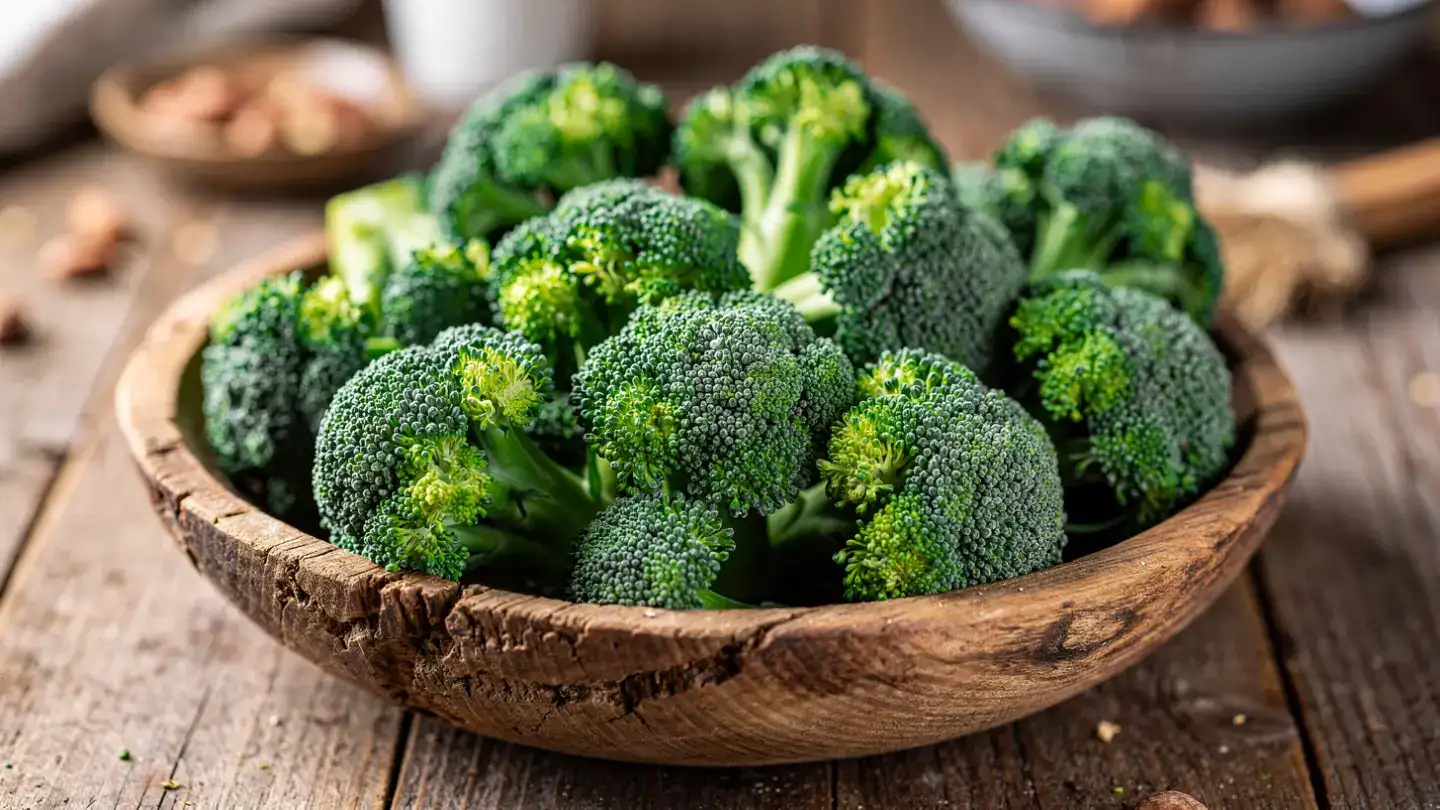
Broccoli
Broccoli is often considered a super healthy vegetable because it is rich in fibre, vitamin C, vitamin K, and antioxidants.The vegetable is known for supporting digestion and immunity. Many people also include broccoli in healthy eating plans because it feels filling while being low in calories.
Steamed broccoli works well in salads, stir-fries, pasta dishes, and soups. Its mild flavour also makes it suitable for many different recipes.
Carrots
Carrots are packed with beta-carotene, which the body converts into vitamin A. This nutrient is especially important for maintaining healthy vision and skin.Carrots are also rich in fibre and antioxidants. Their natural sweetness makes them popular among both adults and children.
They can be eaten raw as snacks, blended into juices, or added to curries and mixed vegetable dishes for extra nutrition and colour.
Beetroot
Beetroot stands out because of its deep colour and nutritional profile. It contains folate, iron, potassium, and antioxidants.Many people consume beetroot for improved stamina and better blood circulation. It also supports overall wellness due to its nutrient density.
Beetroot can be roasted, boiled, grated into salads, or blended into smoothies and juices. Its earthy flavour pairs well with lemon and herbs.
Sweet Potatoes
Sweet potatoes are nutrient-dense foods that provide fibre, vitamin A, potassium, and complex carbohydrates.Unlike highly processed snacks, sweet potatoes offer slow-releasing energy, which can help maintain fullness for longer periods. Their natural sweetness also makes them a healthier comfort-food option.
They can be baked, roasted, mashed, or added to soups and salads for delicious and satisfying meals.
Bell Peppers
Bell peppers are colourful vegetables loaded with vitamin C, antioxidants, and fibre. Red, yellow, and orange peppers are especially rich in nutrients.These vegetables may support immunity and skin health because of their antioxidant content. Bell peppers also add freshness and crunch to meals without adding many calories.
They can be used in stir-fries, wraps, sandwiches, salads, pasta, and grilled dishes.
Kale
Kale has become increasingly popular because of its high nutritional value. It contains vitamin K, calcium, iron, and antioxidants that support overall health.This leafy vegetable is often associated with healthy eating lifestyles because of its impressive nutrient content. Kale can be consumed in salads, soups, smoothies, or lightly sautéed dishes.
Its strong flavour pairs well with garlic, lemon, olive oil, and nuts.
Tomatoes
Tomatoes are technically fruits but are commonly used as vegetables in cooking. They contain vitamin C, potassium, and lycopene, an antioxidant associated with overall health benefits.Tomatoes are versatile and can easily be added to daily meals. They contribute flavour, freshness, and nutrition to curries, salads, soups, sandwiches, and sauces.
Cooked tomatoes may provide even greater absorption of lycopene, making them beneficial in different forms.
Cabbage
Cabbage is an affordable and healthy vegetable that provides fibre, vitamin C, and antioxidants. It is commonly used in many cuisines because of its versatility.The vegetable can support digestion and overall health when included as part of balanced meals. Both green and purple cabbage varieties offer nutritional benefits.
Cabbage works well in salads, stir-fries, soups, wraps, and traditional Indian dishes.
Green Peas
Green peas are small but highly nutritious. They provide plant protein, fibre, vitamins, and minerals that contribute to balanced nutrition.Peas can help create filling meals while adding natural sweetness and texture. Their protein and fibre combination also supports steady energy levels.
They can be added to rice dishes, curries, soups, salads, and snacks for extra nutrition.
Why Variety Matters In Vegetable Consumption
Different vegetables provide different nutrients, which is why dietary variety is important. Green leafy vegetables may offer iron and calcium, while orange and red vegetables are often rich in antioxidants and vitamin A.Consuming a mix of colours and textures can help the body receive a broader range of nutrients. It also keeps meals interesting and flavourful, making healthy eating easier to maintain over time.
Seasonal vegetables are often fresher, more affordable, and naturally suited to local climates and dietary habits.
Easy Ways To Add More Vegetables To Daily Meals
Adding vegetables to everyday meals does not always require complicated recipes. Simple changes can make a big difference.Salads, soups, wraps, sandwiches, smoothies, and stir-fries are easy ways to include more healthy vegetables in diets. Even traditional dishes can become more nutritious by increasing vegetable portions.
Roasting vegetables with herbs and spices can also improve flavour while keeping meals healthy and satisfying.
Vegetables remain one of the most valuable parts of a balanced diet because of their impressive nutritional benefits. From spinach and broccoli to beetroot and sweet potatoes, these nutrient-rich vegetables provide vitamins, minerals, antioxidants, and fibre that support overall wellness naturally. Including a variety of vegetables in daily meals can help improve immunity, digestion, heart health, and energy levels over time. Simple dietary changes and colourful meal choices can make healthy eating both enjoyable and sustainable for long-term wellness.
Next Story