
10 Powerful Indoor Plants That Naturally Clean Your Air And Transform Your Living Space Into A Healthier Sanctuary

Indoor air quality has become a growing concern, especially as people spend more time inside homes and offices. From dust and pollutants to chemicals released by furniture and cleaning products, indoor environments can sometimes feel less fresh than expected. This is where indoor plants step in as quiet yet powerful allies. Beyond their visual charm, certain plants are known to improve air quality naturally, offering a cleaner and more refreshing atmosphere without relying on artificial devices.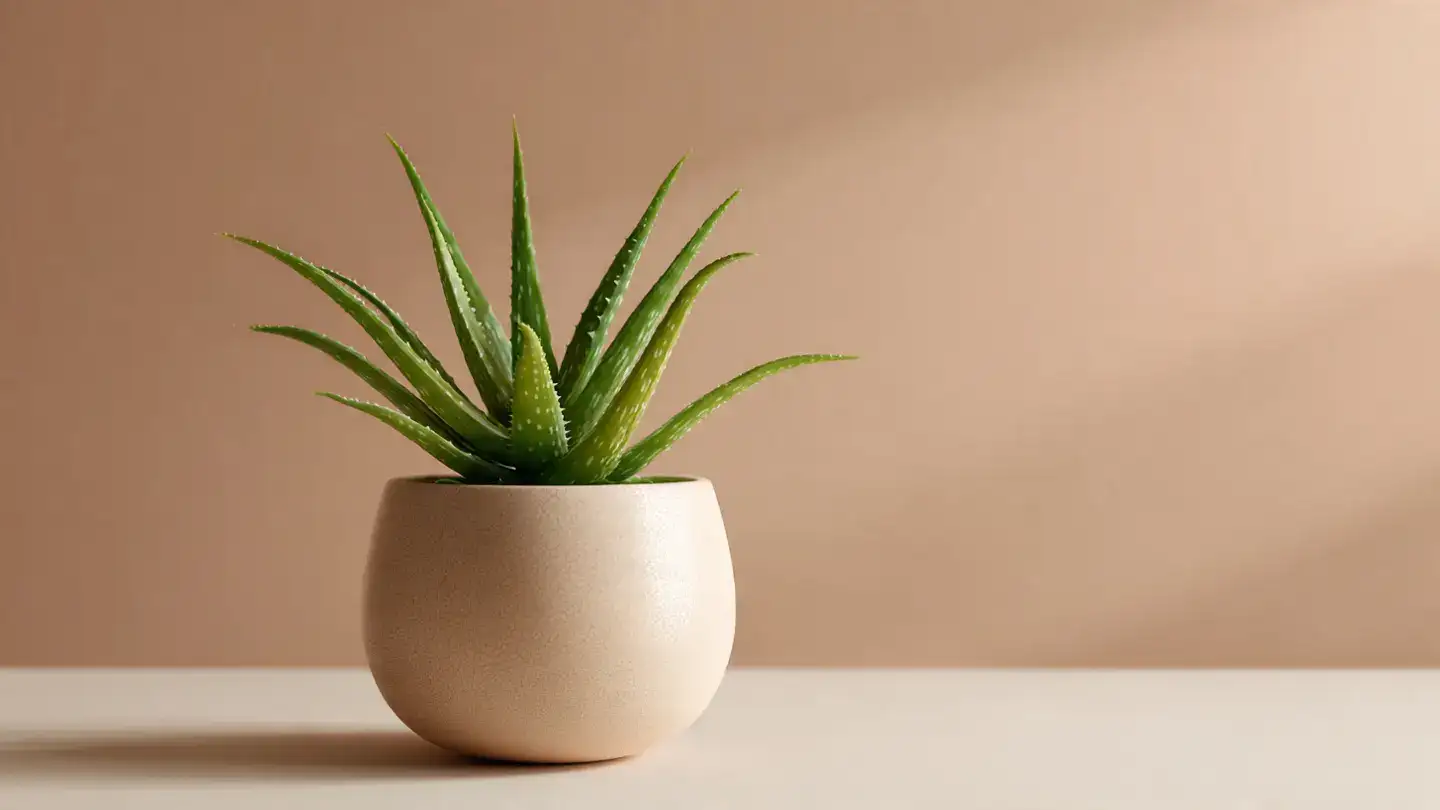
The idea of using indoor plants for air purification is not just a trend but a practical approach to healthier living. While they may not replace advanced filtration systems, they certainly contribute to reducing pollutants and enhancing overall wellbeing. With the right selection, indoor greenery can transform your space into a calming, breathable environment.
This natural process makes certain houseplants for clean air especially valuable in urban homes where ventilation may be limited. Although the effect may vary depending on the number of plants and room size, even a few well-placed plants can make a noticeable difference over time.
Often considered one of the most resilient plants, the snake plant is ideal for beginners. It releases oxygen even at night, making it perfect for bedrooms. It is also known for filtering toxins effectively while requiring minimal care.
Peace Lily
The peace lily is admired for its elegant white blooms and its ability to remove toxins from the air. It thrives in low light and adds a soft, calming presence to indoor spaces.
Spider Plant
Spider plants are popular for their adaptability and ease of maintenance. They are effective at reducing pollutants and are safe for homes with pets, making them a versatile choice.
Areca Palm
This plant not only purifies the air but also adds humidity, which is beneficial in dry indoor environments. Its lush, feathery leaves bring a tropical feel to any room.
Aloe Vera
Known for its medicinal properties, aloe vera also acts as a natural air cleaning plant. It helps remove harmful chemicals while being easy to maintain with minimal watering.
Rubber Plant
With its large, glossy leaves, the rubber plant is both decorative and functional. It is particularly effective at absorbing toxins and improving indoor air quality.
Indoor plants also contribute to better humidity levels, reducing dryness that can affect skin and respiratory health. In workspaces, they can boost productivity and create a more pleasant environment, making them a smart addition to both homes and offices.
It is also important to consider the level of care required. Some plants thrive with minimal attention, while others may need regular watering and monitoring. Matching plants to your lifestyle ensures they remain healthy and effective over time.
Regularly cleaning the leaves helps maintain their ability to absorb pollutants. Using quality soil and occasional fertilisation can also enhance growth and effectiveness. With consistent care, these plants can continue to provide long-term benefits.
Combining functionality with aesthetics, indoor plants offer a simple yet impactful way to improve everyday living. They bring freshness, vitality and a sense of harmony that modern homes often lack.
As awareness around indoor air quality continues to grow, the role of natural solutions like plants becomes even more relevant. By incorporating the right indoor plants into your space, you can enjoy cleaner air, improved wellbeing and a more inviting environment without much effort.
Image Courtesy: Meta AI
The idea of using indoor plants for air purification is not just a trend but a practical approach to healthier living. While they may not replace advanced filtration systems, they certainly contribute to reducing pollutants and enhancing overall wellbeing. With the right selection, indoor greenery can transform your space into a calming, breathable environment.
The Science Behind Air Purifying Plants
Plants absorb carbon dioxide and release oxygen through photosynthesis, but their benefits extend further. Some plants can absorb harmful toxins such as benzene, formaldehyde and carbon monoxide through their leaves and roots. Microorganisms in the soil also play a role in breaking down these pollutants.This natural process makes certain houseplants for clean air especially valuable in urban homes where ventilation may be limited. Although the effect may vary depending on the number of plants and room size, even a few well-placed plants can make a noticeable difference over time.
Top Indoor Plants That Naturally Purify Air
Snake PlantOften considered one of the most resilient plants, the snake plant is ideal for beginners. It releases oxygen even at night, making it perfect for bedrooms. It is also known for filtering toxins effectively while requiring minimal care.
Peace Lily
The peace lily is admired for its elegant white blooms and its ability to remove toxins from the air. It thrives in low light and adds a soft, calming presence to indoor spaces.
Spider Plant
Spider plants are popular for their adaptability and ease of maintenance. They are effective at reducing pollutants and are safe for homes with pets, making them a versatile choice.
Areca Palm
This plant not only purifies the air but also adds humidity, which is beneficial in dry indoor environments. Its lush, feathery leaves bring a tropical feel to any room.
Aloe Vera
Known for its medicinal properties, aloe vera also acts as a natural air cleaning plant. It helps remove harmful chemicals while being easy to maintain with minimal watering.
Rubber Plant
With its large, glossy leaves, the rubber plant is both decorative and functional. It is particularly effective at absorbing toxins and improving indoor air quality.
Benefits Beyond Air Purification
The benefits of indoor greenery go far beyond cleaner air. Studies have shown that plants can reduce stress, improve concentration and enhance mood. Their presence creates a sense of calm and connection with nature, which is especially valuable in busy urban lifestyles.Indoor plants also contribute to better humidity levels, reducing dryness that can affect skin and respiratory health. In workspaces, they can boost productivity and create a more pleasant environment, making them a smart addition to both homes and offices.
Choosing The Right Plants For Your Space
Selecting the best air purifying plants depends on factors such as lighting, space and maintenance preferences. Low light areas benefit from plants like peace lilies and snake plants, while brighter spaces can support a wider variety of greenery.It is also important to consider the level of care required. Some plants thrive with minimal attention, while others may need regular watering and monitoring. Matching plants to your lifestyle ensures they remain healthy and effective over time.
You may also like
- The Wonders of Parijat: Health Benefits and Cultural Significance
- The bathroom refresh: Why toothpaste and baking soda are the ultimate cleaning duo
- Rare spotting: A Bengal tiger, a leopard, and a cheetah spotted at this national park in Rajasthan
- The science of streak-free living: Why your windows stay cloudy and how to finally clear the haze
- The Surprising Health Benefits of Onions You Should Know
Simple Care Tips To Maximise Benefits
To get the most out of your plants, proper care is essential. Ensure they receive the right amount of light and water based on their specific needs. Overwatering is a common mistake that can harm plant health.Regularly cleaning the leaves helps maintain their ability to absorb pollutants. Using quality soil and occasional fertilisation can also enhance growth and effectiveness. With consistent care, these plants can continue to provide long-term benefits.
Creating A Balanced Indoor Green Space
Instead of relying on a single plant, consider creating a mix of different varieties. This not only enhances visual appeal but also increases the range of pollutants being addressed. Placing plants strategically in living rooms, bedrooms and work areas ensures a more balanced distribution of benefits.Combining functionality with aesthetics, indoor plants offer a simple yet impactful way to improve everyday living. They bring freshness, vitality and a sense of harmony that modern homes often lack.
As awareness around indoor air quality continues to grow, the role of natural solutions like plants becomes even more relevant. By incorporating the right indoor plants into your space, you can enjoy cleaner air, improved wellbeing and a more inviting environment without much effort.
Image Courtesy: Meta AI






More from our partners


Loving Newspoint? Download the app now
