
10 Practical Zero-Waste Cooking Ideas For Indian Homes To Save Money And Reduce Kitchen Waste

In many Indian households, food is deeply connected to culture, tradition and respect, yet kitchen waste remains a common challenge. Vegetable peels, leftover rice, extra rotis and unused herbs often end up in the bin simply because they are not planned into the cooking process. Over time, this not only increases household waste but also adds to grocery expenses.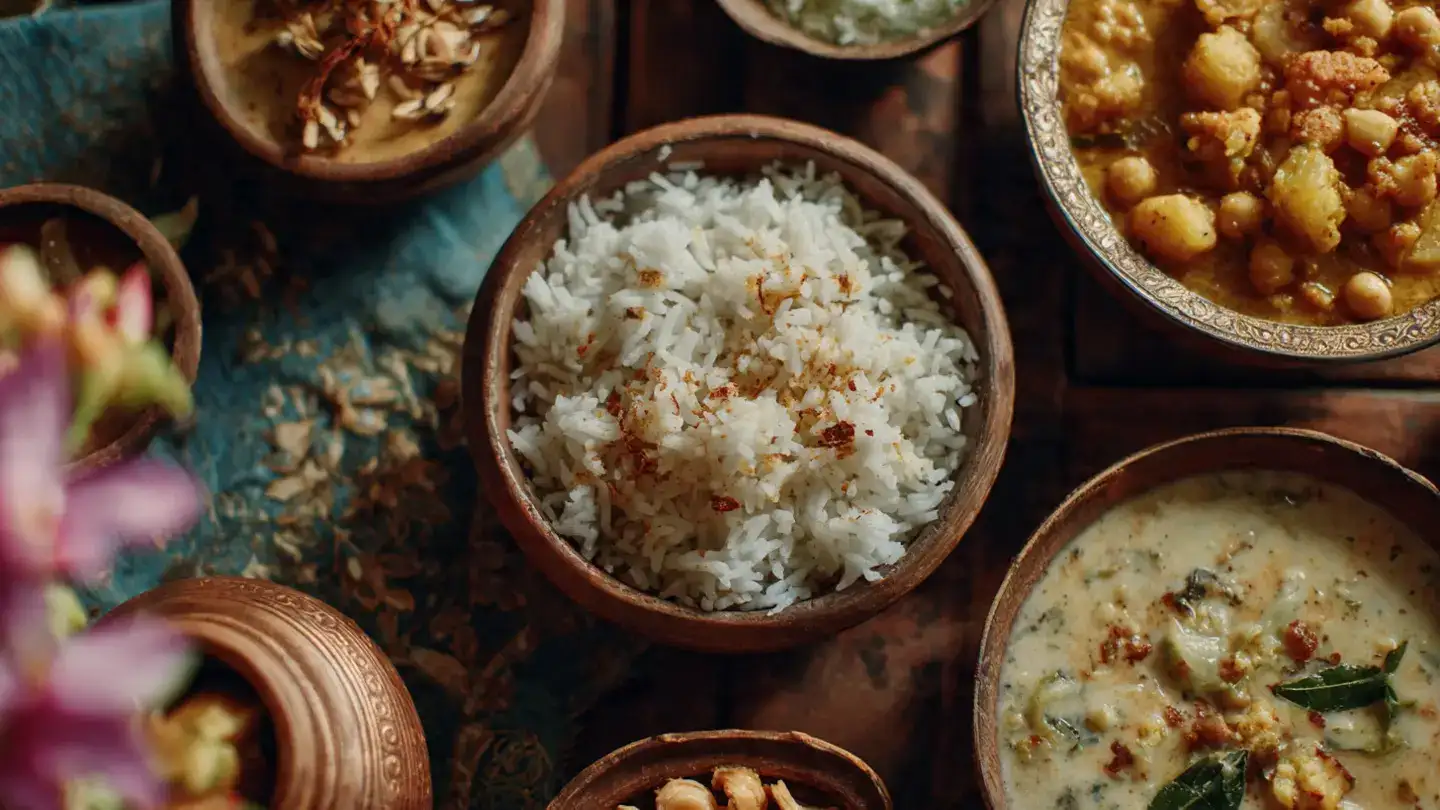
Adopting zero-waste cooking ideas for Indian homes is less about perfection and more about building smarter daily habits. With a little planning, common leftovers and ingredient scraps can be transformed into flavourful dishes, chutneys, snacks and broths. These practical strategies make home cooking more economical, sustainable and creative while fitting naturally into everyday Indian meal routines.
Even coriander stems and cauliflower leaves add flavour to dals and stir-fries. These Indian kitchen tips help households get maximum value from every ingredient purchased.
Leftover rice can become lemon rice, vegetable fried rice, curd rice, rice cutlets or even sweet kheer. By changing flavour profiles, the same base ingredient feels like a completely new meal.
This is one of the most effective food waste reduction habits for busy families.
They can be transformed into roti noodles, masala chips, quick quesadillas, stuffed rolls or even sweet jaggery wraps. Instead of reheating them in the same form, repurposing makes them far more appealing.
This simple trick supports sustainable home cooking without extra cost.
For example, boiled potatoes used in aloo paratha for breakfast can later become sandwich filling or cutlets. Chopped onions, tomatoes and coriander prepared in the morning can support lunch curry and evening chaat.
This eco-friendly meal planning style saves both time and produce.
Freezing coriander chutney, tomato puree, onion masala or coconut paste in small portions helps extend shelf life and reduces spoilage. Ice tray freezing methods work especially well for Indian cooking bases.
This is among the most practical zero-waste cooking methods for working households.
Similarly, leftover namkeen can be crushed into cutlet coatings or used as crunchy toppings for chaat and dahi dishes. Repurposing pantry leftovers prevents unnecessary disposal and encourages creativity.
This broth can be used in soups, pulao, gravies and sauces. Indian kitchens that regularly prepare curries and rice dishes can benefit greatly from homemade scrap-based stock.
It is a highly efficient leftover recipe idea.
Keeping leafy greens wrapped in cloth, storing onions and potatoes separately, refrigerating cooked dal in airtight containers and rotating older ingredients to the front can significantly reduce spoilage.
Proper storage is a foundation of food waste reduction.
Instead, cook moderate portions and keep flexible bases such as boiled legumes, chopped vegetables or plain rice ready. These can be adapted into different dishes later without producing waste.
This strategy balances convenience with sustainability.
Creating a simple compost bin at home turns these leftovers into nutrient-rich compost for balcony plants or kitchen gardens. For Indian homes with small terraces or plant corners, this closes the food cycle beautifully.
Zero-waste cooking ideas for Indian homes are rooted in mindful use, creativity and respect for ingredients. By repurposing leftovers, using peels, planning smarter meals and improving storage, families can significantly cut waste while saving money.
These habits do not require major lifestyle changes. Instead, they fit naturally into the rhythms of Indian home cooking, where every ingredient can often serve more than one purpose. With simple daily changes, kitchens can become more sustainable, efficient and flavourful without adding pressure to the cook.
Image Courtesy: Meta AI
Adopting zero-waste cooking ideas for Indian homes is less about perfection and more about building smarter daily habits. With a little planning, common leftovers and ingredient scraps can be transformed into flavourful dishes, chutneys, snacks and broths. These practical strategies make home cooking more economical, sustainable and creative while fitting naturally into everyday Indian meal routines.
Turn Vegetable Peels Into Useful Ingredients
Many peels that are usually discarded can be turned into delicious additions. Potato peels can be roasted into crispy snacks, bottle gourd peels can become chutney, and watermelon rind can be used in sabzi or murabba.Even coriander stems and cauliflower leaves add flavour to dals and stir-fries. These Indian kitchen tips help households get maximum value from every ingredient purchased.
Give Leftover Rice A New Identity
Cooked rice is one of the most commonly wasted foods, but it is also one of the easiest to reuse.Leftover rice can become lemon rice, vegetable fried rice, curd rice, rice cutlets or even sweet kheer. By changing flavour profiles, the same base ingredient feels like a completely new meal.
This is one of the most effective food waste reduction habits for busy families.
Reuse Extra Rotis Creatively
Extra rotis often remain after dinner, but they can easily become the next day’s breakfast or snack.They can be transformed into roti noodles, masala chips, quick quesadillas, stuffed rolls or even sweet jaggery wraps. Instead of reheating them in the same form, repurposing makes them far more appealing.
This simple trick supports sustainable home cooking without extra cost.
Plan Meals Around Shared Ingredients
A smart way to reduce waste is to design multiple meals around the same core ingredients.For example, boiled potatoes used in aloo paratha for breakfast can later become sandwich filling or cutlets. Chopped onions, tomatoes and coriander prepared in the morning can support lunch curry and evening chaat.
This eco-friendly meal planning style saves both time and produce.
Freeze Herbs, Purees And Curry Bases
Fresh herbs and ginger-garlic paste often spoil quickly if not used on time.Freezing coriander chutney, tomato puree, onion masala or coconut paste in small portions helps extend shelf life and reduces spoilage. Ice tray freezing methods work especially well for Indian cooking bases.
This is among the most practical zero-waste cooking methods for working households.
Use Stale Bread And Snacks Smartly
Bread that is no longer soft can still become breadcrumbs, croutons, bread upma or baked snack bites.Similarly, leftover namkeen can be crushed into cutlet coatings or used as crunchy toppings for chaat and dahi dishes. Repurposing pantry leftovers prevents unnecessary disposal and encourages creativity.
Make Broths From Scraps
Vegetable trimmings such as carrot tops, bean edges, cabbage cores and herb stems can be stored in the freezer and later simmered into flavourful stock.This broth can be used in soups, pulao, gravies and sauces. Indian kitchens that regularly prepare curries and rice dishes can benefit greatly from homemade scrap-based stock.
It is a highly efficient leftover recipe idea.
Store Food Correctly To Extend Freshness
Often, waste happens not during cooking but due to poor storage.Keeping leafy greens wrapped in cloth, storing onions and potatoes separately, refrigerating cooked dal in airtight containers and rotating older ingredients to the front can significantly reduce spoilage.
Proper storage is a foundation of food waste reduction.
You may also like
- Raising “robot-proof” kids: Why creativity and curiosity matter more than ever
- Keep this small plant in the kitchen, lizards will not enter even by mistake, know here
- Surprising danger of painting over mould: Wellness experts warn covering up damp patches creates invisible health hazard
- Essential Summer Foot Care Tips for Women
- Stay Cool This Summer: The Benefits of Cotton Clothing
Cook Smaller Portions With Reusable Bases
Preparing enormous quantities often leads to repeated leftovers that eventually go unused.Instead, cook moderate portions and keep flexible bases such as boiled legumes, chopped vegetables or plain rice ready. These can be adapted into different dishes later without producing waste.
This strategy balances convenience with sustainability.
Compost What Truly Cannot Be Used
Despite the best zero-waste habits, some scraps such as hard seeds or inedible peels may remain.Creating a simple compost bin at home turns these leftovers into nutrient-rich compost for balcony plants or kitchen gardens. For Indian homes with small terraces or plant corners, this closes the food cycle beautifully.
Zero-waste cooking ideas for Indian homes are rooted in mindful use, creativity and respect for ingredients. By repurposing leftovers, using peels, planning smarter meals and improving storage, families can significantly cut waste while saving money.
These habits do not require major lifestyle changes. Instead, they fit naturally into the rhythms of Indian home cooking, where every ingredient can often serve more than one purpose. With simple daily changes, kitchens can become more sustainable, efficient and flavourful without adding pressure to the cook.
Image Courtesy: Meta AI






More from our partners


Loving Newspoint? Download the app now
