
10 Smart Ways To Build A Weekly Menu That Doesn’t Repeat Dishes And Still Feels Exciting

Planning meals for the week often starts with enthusiasm but quickly slips into repetition. Many households find themselves rotating the same curry, rice dish or breakfast item every few days simply because it feels convenient. Over time, this can make home-cooked food feel monotonous, especially for children and working adults who look forward to variety at the table.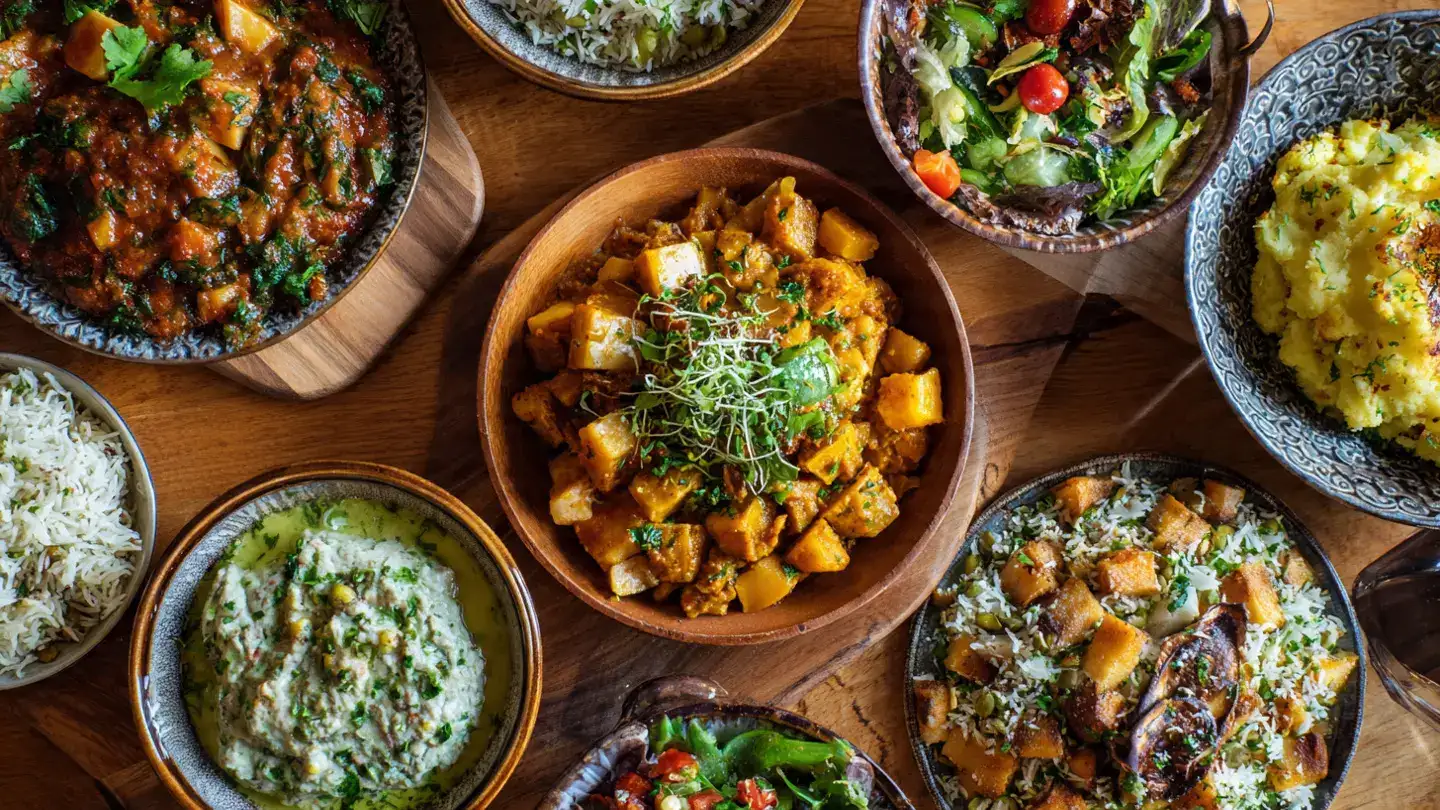
Learning how to build a weekly menu that doesn’t repeat dishes is not about creating complicated gourmet plans. It is about using structure, ingredients and cooking styles smartly so that every day feels fresh without increasing kitchen workload. With a few practical systems, families can enjoy balanced nutrition, better grocery planning and more excitement around daily meals.
Themes provide direction without forcing the same recipe. A rice day could include pulao one week and lemon rice the next, ensuring variety while keeping planning easy.
This is one of the most effective weekly menu planning methods for busy households.
For instance, paneer can become grilled skewers one day, a dry stir-fry on another and a rich gravy later in the week. Potatoes can shift from roasted sides to stuffed wraps or light soups.
This meal prep strategy ensures familiar ingredients never feel repetitive.
This not only improves taste variety but also supports better nutrition. A structured protein rotation naturally creates fresh recipe possibilities for lunch and dinner.
One day can include Indian comfort food, another can lean towards Mediterranean bowls, one can be East Asian noodles, and another can feature simple continental baked dishes. The base ingredients may remain similar, but spices, herbs and sauces transform the meal experience.
This trick adds freshness without increasing grocery complexity.
A rich biryani or creamy pasta should ideally be followed by something lighter such as soup with toast, khichdi, salad bowls or sautéed vegetables with grilled protein. The contrast keeps the palate interested and supports better digestion.
Balanced meal planning is as much about meal feel as recipe variety.
In summer, include bottle gourd, cucumber salads and yoghurt-based meals. In winter, rotate leafy greens, peas, carrots and root vegetables. Seasonal buying expands family meal ideas and keeps the weekly plan dynamic.
Extra dal can become lentil pancakes, leftover rice can turn into fried rice or cutlets, and extra grilled vegetables can be used in sandwiches or wraps. This keeps the weekly menu interesting while also reducing food waste.
Repurposing leftovers is one of the best practical kitchen habits.
Creating separate lists for breakfast items, lunch boxes and dinners helps maintain distinction. For example, stuffed parathas may appear for breakfast while dinner focuses on soups, stir-fries or rice bowls.
This structure improves menu variety significantly.
A monthly tracker helps identify overused dishes and encourages deliberate rotation. Over time, this becomes a personalised database of meals the family enjoys without accidental repetition.
It is an easy yet powerful tool for weekly menu planning.
This day can also be used for trying new recipes, ordering in occasionally or finishing leftovers creatively. Flexibility makes the plan more sustainable in the long run.
The secret to learning how to build a weekly menu that doesn’t repeat dishes lies in variety through structure, not complexity. By rotating themes, cooking styles, flavours and meal textures, families can enjoy fresh food experiences every day without spending extra hours in the kitchen.
A thoughtful menu system reduces decision fatigue, cuts food waste and makes grocery shopping easier. Most importantly, it turns daily cooking into a more enjoyable and creative process. With the right strategy, every week can feel balanced, diverse and satisfying without repeating the same dishes again and again.
Image Courtesy: Meta AI
Learning how to build a weekly menu that doesn’t repeat dishes is not about creating complicated gourmet plans. It is about using structure, ingredients and cooking styles smartly so that every day feels fresh without increasing kitchen workload. With a few practical systems, families can enjoy balanced nutrition, better grocery planning and more excitement around daily meals.
Start By Dividing The Week By Meal Themes
The easiest way to avoid repetition is to assign broad meal themes to each day. For example, one day can focus on rice-based meals, another on flatbreads, one for pasta or noodles, another for lentil bowls and another for one-pot dishes.Themes provide direction without forcing the same recipe. A rice day could include pulao one week and lemon rice the next, ensuring variety while keeping planning easy.
This is one of the most effective weekly menu planning methods for busy households.
Rotate Cooking Styles, Not Just Ingredients
Even if the same vegetables or protein sources appear twice a week, changing the cooking method keeps meals feeling new.For instance, paneer can become grilled skewers one day, a dry stir-fry on another and a rich gravy later in the week. Potatoes can shift from roasted sides to stuffed wraps or light soups.
This meal prep strategy ensures familiar ingredients never feel repetitive.
Balance Proteins Across The Week
A no repeat meals approach works better when protein choices are distributed thoughtfully. Instead of relying on the same lentil or chicken recipe multiple times, rotate among legumes, eggs, dairy, fish, poultry or plant-based options.This not only improves taste variety but also supports better nutrition. A structured protein rotation naturally creates fresh recipe possibilities for lunch and dinner.
Use Different Global Flavour Profiles
A highly effective way to make the weekly food schedule exciting is by changing flavour inspiration.One day can include Indian comfort food, another can lean towards Mediterranean bowls, one can be East Asian noodles, and another can feature simple continental baked dishes. The base ingredients may remain similar, but spices, herbs and sauces transform the meal experience.
This trick adds freshness without increasing grocery complexity.
Separate Heavy And Light Meal Days
Planning similar meal weights on consecutive days often creates the feeling of repetition, even if the dishes differ.A rich biryani or creamy pasta should ideally be followed by something lighter such as soup with toast, khichdi, salad bowls or sautéed vegetables with grilled protein. The contrast keeps the palate interested and supports better digestion.
Balanced meal planning is as much about meal feel as recipe variety.
Build Around Seasonal Produce
Seasonal fruits and vegetables naturally introduce weekly freshness. Instead of forcing the same vegetables year-round, let market availability guide the menu.In summer, include bottle gourd, cucumber salads and yoghurt-based meals. In winter, rotate leafy greens, peas, carrots and root vegetables. Seasonal buying expands family meal ideas and keeps the weekly plan dynamic.
Plan Leftovers Into New Dishes
Leftovers do not need to become repeated meals. The smarter approach is transformation.Extra dal can become lentil pancakes, leftover rice can turn into fried rice or cutlets, and extra grilled vegetables can be used in sandwiches or wraps. This keeps the weekly menu interesting while also reducing food waste.
Repurposing leftovers is one of the best practical kitchen habits.
Keep Breakfast And Dinner In Separate Rotation Cycles
Many families accidentally repeat dishes because breakfast and dinner planning overlap too much.Creating separate lists for breakfast items, lunch boxes and dinners helps maintain distinction. For example, stuffed parathas may appear for breakfast while dinner focuses on soups, stir-fries or rice bowls.
This structure improves menu variety significantly.
You may also like
- Skin Care Tips: Massage your face with raw milk for 5 minutes regularly, your skin will glow in a week
- A toad near your home isn't just a coincidence: Here's what it really indicates about your surroundings
- The Untold Story of Matadin Bhangi: Catalyst of the 1857 Rebellion
- World Health Day 2026: Importance of Regular Health Check-Ups
- Essential Safety Tips for a Safe Boat Riding Experience
Maintain A Monthly Dish Tracker
One of the smartest long-term systems is keeping a simple record of what was cooked each week.A monthly tracker helps identify overused dishes and encourages deliberate rotation. Over time, this becomes a personalised database of meals the family enjoys without accidental repetition.
It is an easy yet powerful tool for weekly menu planning.
Leave One Flexible Day
Not every day needs rigid structure. Keeping one flexible day for cravings, quick fixes or family requests prevents the menu from feeling forced.This day can also be used for trying new recipes, ordering in occasionally or finishing leftovers creatively. Flexibility makes the plan more sustainable in the long run.
The secret to learning how to build a weekly menu that doesn’t repeat dishes lies in variety through structure, not complexity. By rotating themes, cooking styles, flavours and meal textures, families can enjoy fresh food experiences every day without spending extra hours in the kitchen.
A thoughtful menu system reduces decision fatigue, cuts food waste and makes grocery shopping easier. Most importantly, it turns daily cooking into a more enjoyable and creative process. With the right strategy, every week can feel balanced, diverse and satisfying without repeating the same dishes again and again.
Image Courtesy: Meta AI






More from our partners


Loving Newspoint? Download the app now
