Looking For Luck In 2026? 10 Unique New Year’s Eve Traditions To Try

Every culture welcomes the New Year in its own distinctive way. While some people focus on fireworks and countdowns, others rely on rituals that range from charmingly odd to downright bizarre. From smashing crockery to choosing lucky underwear, these unusual New Year’s Eve traditions around the world reflect deep-rooted beliefs about luck, prosperity, and fresh beginnings.

As the New Year approaches, here’s a look at ten of the strangest customs still followed across different countries.
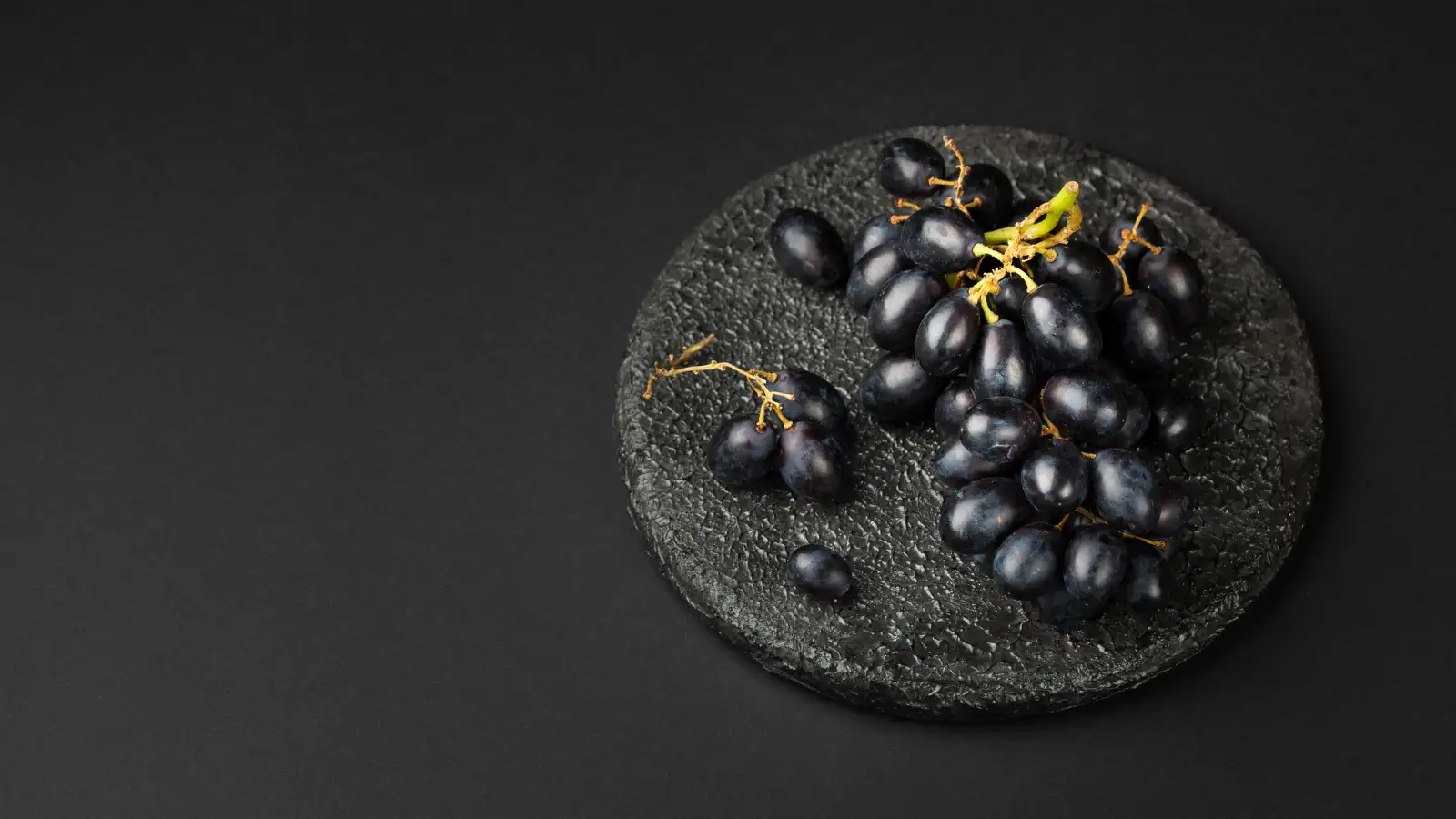
In Spain, New Year’s Eve is marked by eating 12 grapes, one with each chime of the clock at midnight. Each grape represents a month of the year ahead, and finishing them all in time is believed to ensure good fortune. Whether the grapes taste sweet or sour is said to predict how pleasant or challenging the coming year may be. Known as las doce uvas de la suerte, the tradition dates back to 1909, following an unusually abundant grape harvest.

In Ecuador, people build scarecrow-like effigies known as año viejo, often modelled after politicians, celebrities, or fictional characters. Stuffed with old clothes and newspapers, these figures are set on fire at midnight. This symbolic act represents letting go of bad memories and misfortune from the past year, making way for a cleaner, luckier start.
4. Wearing Colourful Underwear — Latin America
Across several Latin American countries such as Brazil, Mexico, and Bolivia, the colour of your underwear on New Year’s Eve is believed to shape your future. Red symbolises love, yellow attracts wealth, and white promotes peace and harmony. This quirky New Year’s tradition is taken seriously, with many choosing their colours carefully based on what they hope to attract in the coming year.

In Ireland, some single women place mistletoe under their pillows on New Year’s Eve to invite love into their lives. The mistletoe is burned the following day as part of the ritual. Another tradition involves banging bread against walls and doors to drive away bad luck and unwanted spirits before the New Year begins.
Japan welcomes the New Year, known as Oshogatsu, with a solemn ritual at Buddhist temples. Bells are rung 108 times to cleanse people of the 108 earthly desires believed to cause human suffering. Traditionally, 107 bells are rung before midnight, with the final bell marking the arrival of the New Year and a fresh spiritual start.

In the Philippines, New Year’s Eve traditions focus heavily on attracting wealth. People surround themselves with round objects, symbolising coins and prosperity. Grapes are eaten, coins are carried and jingled in pockets, and polka-dot clothing is worn, all to ensure financial abundance in the year ahead.
8. Tossing Furniture Out of Windows — Italy
In parts of Italy, particularly Naples, the New Year is welcomed with the motto “Out with the old”. Traditionally, unwanted furniture is thrown out of windows to symbolise clearing space for new beginnings. While most people now stick to smaller, safer items, the streets can still be lively and unpredictable on New Year’s Eve.
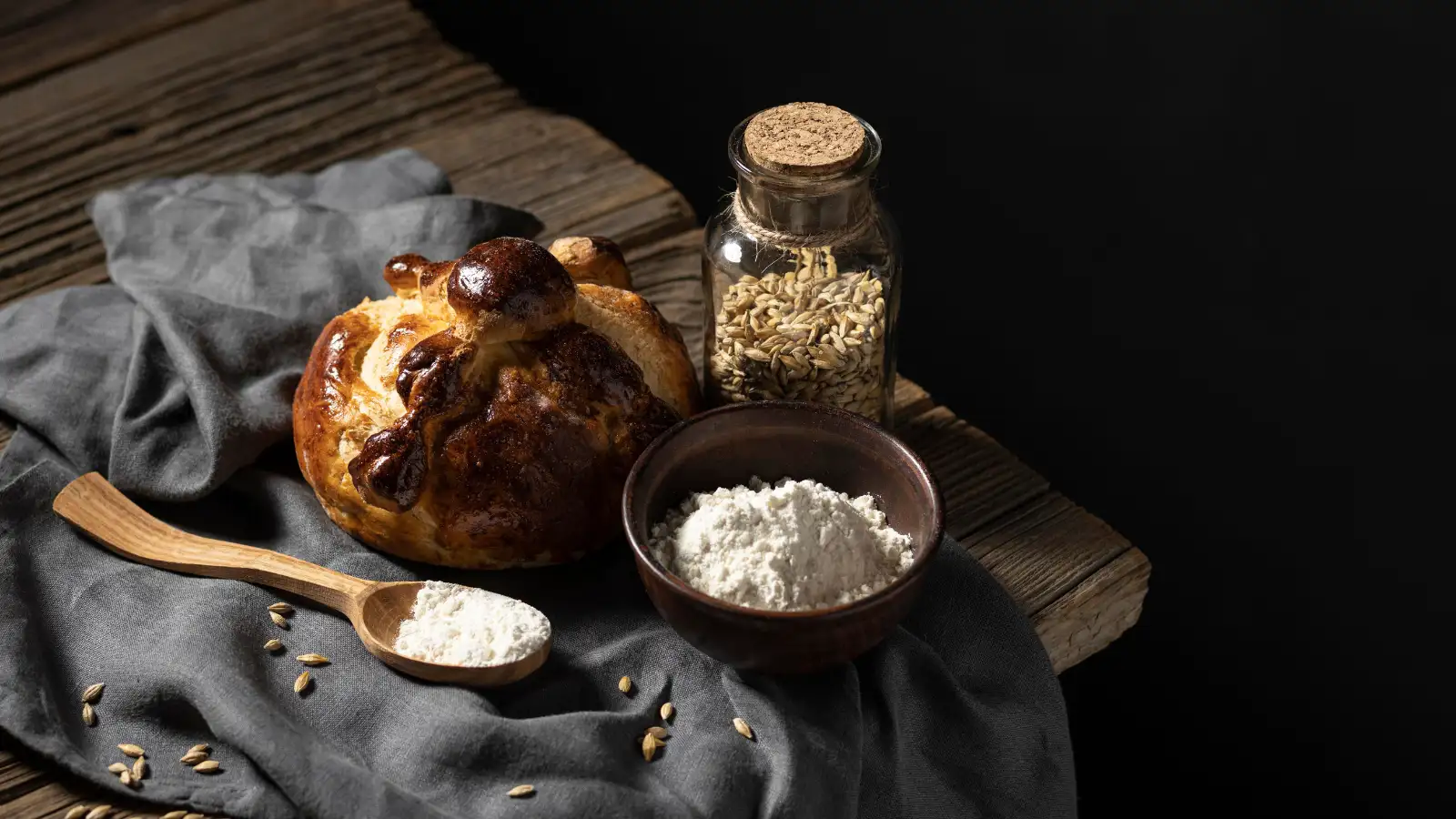
One of Scotland’s oldest New Year’s Eve traditions is first footing. The first person to cross a home’s threshold after midnight should bring gifts such as coal, bread, coins, salt, or a “wee dram” of whisky. Traditionally, a tall, dark-haired man is considered the luckiest first footer, while fair-haired strangers were once thought to bring bad luck.
10. Carp Scales — Germany
In Germany, families enjoy Silvesterkarpfen, or New Year’s carp, on New Year’s Eve. It’s considered lucky to keep a carp scale in your wallet throughout the year to attract wealth and prosperity. Removing the scale is believed to mean losing the good luck it brings.
As the New Year approaches, here’s a look at ten of the strangest customs still followed across different countries.
1. The 12 Grapes of Luck — Spain
In Spain, New Year’s Eve is marked by eating 12 grapes, one with each chime of the clock at midnight. Each grape represents a month of the year ahead, and finishing them all in time is believed to ensure good fortune. Whether the grapes taste sweet or sour is said to predict how pleasant or challenging the coming year may be. Known as las doce uvas de la suerte, the tradition dates back to 1909, following an unusually abundant grape harvest.
2. Smashing Plates — Denmark
Danes welcome the New Year by smashing plates and crockery outside the homes of friends and family. Broken plates are collected throughout the year and hurled at doorsteps on 31 December to bring luck and strengthen friendships. The bigger the pile of shattered china, the more good fortune you’re expected to receive. A traditional Danish New Year’s Eve meal often includes boiled cod with mustard, followed by marzipan doughnuts called kransekage.3. Scarecrow Burning — Ecuador
In Ecuador, people build scarecrow-like effigies known as año viejo, often modelled after politicians, celebrities, or fictional characters. Stuffed with old clothes and newspapers, these figures are set on fire at midnight. This symbolic act represents letting go of bad memories and misfortune from the past year, making way for a cleaner, luckier start.
4. Wearing Colourful Underwear — Latin America
Across several Latin American countries such as Brazil, Mexico, and Bolivia, the colour of your underwear on New Year’s Eve is believed to shape your future. Red symbolises love, yellow attracts wealth, and white promotes peace and harmony. This quirky New Year’s tradition is taken seriously, with many choosing their colours carefully based on what they hope to attract in the coming year.
5. Mistletoe and Bread — Ireland
In Ireland, some single women place mistletoe under their pillows on New Year’s Eve to invite love into their lives. The mistletoe is burned the following day as part of the ritual. Another tradition involves banging bread against walls and doors to drive away bad luck and unwanted spirits before the New Year begins.
6. 108 Rings — Japan
Japan welcomes the New Year, known as Oshogatsu, with a solemn ritual at Buddhist temples. Bells are rung 108 times to cleanse people of the 108 earthly desires believed to cause human suffering. Traditionally, 107 bells are rung before midnight, with the final bell marking the arrival of the New Year and a fresh spiritual start.
7. Round Things — Philippines
In the Philippines, New Year’s Eve traditions focus heavily on attracting wealth. People surround themselves with round objects, symbolising coins and prosperity. Grapes are eaten, coins are carried and jingled in pockets, and polka-dot clothing is worn, all to ensure financial abundance in the year ahead.
8. Tossing Furniture Out of Windows — Italy
In parts of Italy, particularly Naples, the New Year is welcomed with the motto “Out with the old”. Traditionally, unwanted furniture is thrown out of windows to symbolise clearing space for new beginnings. While most people now stick to smaller, safer items, the streets can still be lively and unpredictable on New Year’s Eve.
9. First Footing — Scotland
One of Scotland’s oldest New Year’s Eve traditions is first footing. The first person to cross a home’s threshold after midnight should bring gifts such as coal, bread, coins, salt, or a “wee dram” of whisky. Traditionally, a tall, dark-haired man is considered the luckiest first footer, while fair-haired strangers were once thought to bring bad luck.
10. Carp Scales — Germany
In Germany, families enjoy Silvesterkarpfen, or New Year’s carp, on New Year’s Eve. It’s considered lucky to keep a carp scale in your wallet throughout the year to attract wealth and prosperity. Removing the scale is believed to mean losing the good luck it brings.
Next Story