
3 Shakti Peethas Known for Miracles That Science Still Can't Explain


“या देवी सर्वभूतेषु शक्ति रूपेण संस्थिता।
नमस्तस्यै नमस्तस्यै नमस्तस्यै नमो नमः॥”
There are places where logic pauses and faith takes over. Where science tries to explain, but something deeper continues to exist beyond explanation. Shakti Peethas are among those rare spiritual spaces in India where belief, history, and mystery come together.
According to ancient texts, these sacred sites mark the locations where parts of Goddess Sati’s body fell, making them powerful centers of divine energy. Over centuries, devotees have shared experiences that feel extraordinary, sometimes even unexplainable. While science may offer theories, it has not been able to fully decode what people feel and witness at these temples.
 1. Kamakhya Temple, Assam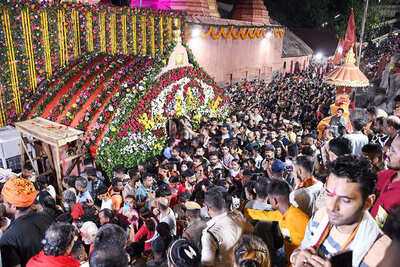
The temple does not have a traditional idol. Instead, worship is centered around a natural rock formation inside a cave, which remains moist due to an underground water source.
The most talked-about phenomenon here is the annual Ambubachi period. The temple closes for three days, as it is believed that the goddess undergoes a natural cycle. When it reopens, red-colored cloth is given as prasad, a ritual that continues to intrigue both devotees and observers.
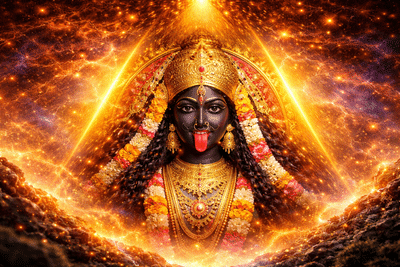
2. Kalighat Temple, Kolkata Kalighat Temple is one of the most visited Shakti Peethas and is associated with the fall of Goddess Sati’s toes. Dedicated to Goddess Kali, the temple is known for its intense spiritual atmosphere.
The idol here has a distinct appearance, with large expressive eyes and a prominent tongue, symbolizing power and transformation.
Devotees often speak about the strong energy they feel inside the temple. Many describe a deep emotional connection or inner clarity after visiting, something that is difficult to measure but widely experienced.
3. Jwala Devi Temple, Himachal Pradesh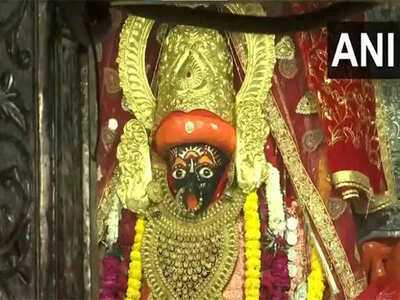
Flames emerge naturally from rock fissures and continue to burn without a visible fuel source. This phenomenon has drawn attention for generations.
While there are scientific explanations related to natural gas, the steady presence and spiritual significance of these flames make the temple feel extraordinary to visitors.
नमस्तस्यै नमस्तस्यै नमस्तस्यै नमो नमः॥”
There are places where logic pauses and faith takes over. Where science tries to explain, but something deeper continues to exist beyond explanation. Shakti Peethas are among those rare spiritual spaces in India where belief, history, and mystery come together.
According to ancient texts, these sacred sites mark the locations where parts of Goddess Sati’s body fell, making them powerful centers of divine energy. Over centuries, devotees have shared experiences that feel extraordinary, sometimes even unexplainable. While science may offer theories, it has not been able to fully decode what people feel and witness at these temples.
Guwahati, Jun 23 (ANI): Devotees throng at Maa Kamakhya Temple during the annual Ambubachi Mela, in Guwahati on Monday. (ANI Photo)
Kamakhya Temple, located on Nilachal Hill, is one of the most unique Shakti Peethas. It is believed to be the place where Goddess Sati’s womb fell, symbolizing creation and feminine energy.The temple does not have a traditional idol. Instead, worship is centered around a natural rock formation inside a cave, which remains moist due to an underground water source.
The most talked-about phenomenon here is the annual Ambubachi period. The temple closes for three days, as it is believed that the goddess undergoes a natural cycle. When it reopens, red-colored cloth is given as prasad, a ritual that continues to intrigue both devotees and observers.
2. Kalighat Temple, Kolkata Kalighat Temple is one of the most visited Shakti Peethas and is associated with the fall of Goddess Sati’s toes. Dedicated to Goddess Kali, the temple is known for its intense spiritual atmosphere.
The idol here has a distinct appearance, with large expressive eyes and a prominent tongue, symbolizing power and transformation.
Devotees often speak about the strong energy they feel inside the temple. Many describe a deep emotional connection or inner clarity after visiting, something that is difficult to measure but widely experienced.
3. Jwala Devi Temple, Himachal Pradesh
Navratri: Devotees offer prayers at Mahamaya Devi temple in Raipur
Jwala Devi Temple stands out because the goddess is worshipped in the form of eternal flames instead of an idol. It is believed that Goddess Sati’s tongue fell at this location.Flames emerge naturally from rock fissures and continue to burn without a visible fuel source. This phenomenon has drawn attention for generations.
While there are scientific explanations related to natural gas, the steady presence and spiritual significance of these flames make the temple feel extraordinary to visitors.
Next Story