
3,000-Year-Old Indian Trick to Cool Water Without Electricity Makes a Comeback

As summer temperatures continue to rise and the focus on sustainable living grows stronger in 2026, an ancient Indian practice is once again gaining attention. The simple method of storing water in earthen pots, commonly known as matkas, is being rediscovered as a natural way to cool water without electricity while also offering several health and environmental benefits.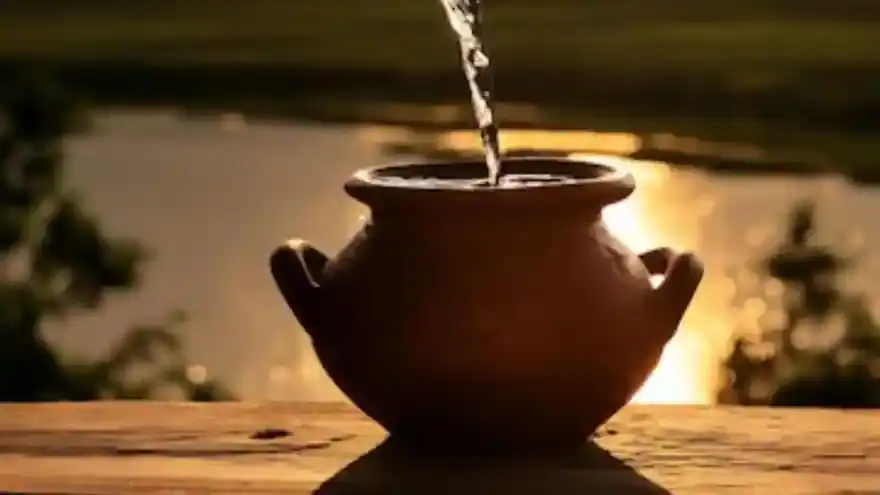
What was once a common feature in almost every Indian household before the arrival of refrigerators is now being seen as a smart, low-cost and eco-friendly alternative backed by both tradition and modern research.
Ancient cooling method returns to daily life
For thousands of years, Indian households have stored drinking water in clay pots. The science behind this method is simple yet effective. Clay is a porous material, which allows a small amount of water to seep through and evaporate from the surface. This evaporation removes heat from the water inside, naturally cooling it.
Unlike refrigerators that rapidly chill water to very low temperatures, matkas provide a slow and natural cooling effect. This makes the water more comfortable for the body, especially during extreme heat.
The result is water that feels refreshing, mildly cool, and closer to natural drinking conditions rather than artificially chilled liquid.
Why matka water is considered better for digestion and hydration
One of the main reasons this traditional method is making a comeback is its link to health and digestion. Experts explain that very cold water can sometimes shock the digestive system, especially during hot weather when the body is already under stress.
Matka-cooled water stays moderately cool, which makes it gentler on digestion and hydration processes.
A 2026 study published in the Journal of Nutritional Physiology stated,
“Moderately cooled water supports digestive efficiency, while extremely cold fluids may temporarily slow gastric processes.”
This supports the long-standing traditional belief that water should be cool but not ice-cold for better hydration and overall digestive comfort.
Natural alkaline balance and gut health support
Another important aspect of matka water is the natural property of clay. Clay is slightly alkaline in nature, and when water is stored in it, it may undergo subtle changes in its composition.
This has led to growing interest in its possible digestive benefits.
A 2026 study in the International Journal of Environmental Health reported,
“Water stored in mineral-rich porous containers showed slight alkalinity shifts, potentially aiding acid neutralisation in the digestive system.”
This finding adds scientific backing to traditional systems like Ayurveda, which have long suggested that maintaining a balanced internal pH may support gut health and reduce acidity.
Eco-friendly and energy-saving solution
In an age where energy consumption and plastic pollution are major concerns, matkas present a simple and effective alternative. They require no electricity, produce no emissions, and are made from natural materials.
This makes them both environmentally and economically sustainable.
A 2026 study published in Sustainable Materials and Technologies found,
“Traditional evaporative cooling vessels demonstrated significantly lower carbon footprints compared to refrigeration-based cooling systems.”
This highlights how an age-old practice can contribute meaningfully to modern climate-friendly living by reducing dependence on energy-heavy appliances.
Taste, natural cooling, and mild filtration benefits
Many people who have returned to using clay pots for storing water say they notice a difference in taste. Water stored in matkas often has a slightly earthy and refreshing flavour, which some prefer over refrigerator-cooled water.
This is due to the natural minerals present in clay, which can subtly influence the taste.
In addition, the porous structure of clay may provide a very basic level of natural filtration. However, experts clearly warn that this is not a replacement for proper water purification systems.
Hygiene remains extremely important. Since clay is porous, it can trap impurities if not cleaned properly. Regular washing, sun drying, and using high-quality clay pots are essential for safe usage.
Why matka water is trending again in 2026
The renewed popularity of matka water is part of a larger lifestyle shift. In 2026, more people are turning towards sustainable, low-energy, and natural living practices. Traditional methods are being re-evaluated not as outdated habits but as practical solutions for modern challenges.
What was once considered old-fashioned is now being seen in a new light, as a balance between tradition and science.
The clay pot, used for nearly 3,000 years, is now gaining recognition not just as a cultural symbol but as a climate-conscious, health-friendly alternative in everyday life.
A simple habit with modern relevance
The growing interest in matka water shows that sometimes the simplest solutions are the most effective. It helps reduce electricity use, lowers environmental impact, supports digestion, and offers a natural way to stay hydrated during hot weather.
In a world driven by technology and convenience, this ancient practice reminds us that nature already had answers long before modern appliances existed.
What was once a common feature in almost every Indian household before the arrival of refrigerators is now being seen as a smart, low-cost and eco-friendly alternative backed by both tradition and modern research.
Ancient cooling method returns to daily life
For thousands of years, Indian households have stored drinking water in clay pots. The science behind this method is simple yet effective. Clay is a porous material, which allows a small amount of water to seep through and evaporate from the surface. This evaporation removes heat from the water inside, naturally cooling it.Unlike refrigerators that rapidly chill water to very low temperatures, matkas provide a slow and natural cooling effect. This makes the water more comfortable for the body, especially during extreme heat.
The result is water that feels refreshing, mildly cool, and closer to natural drinking conditions rather than artificially chilled liquid.
Why matka water is considered better for digestion and hydration
One of the main reasons this traditional method is making a comeback is its link to health and digestion. Experts explain that very cold water can sometimes shock the digestive system, especially during hot weather when the body is already under stress. Matka-cooled water stays moderately cool, which makes it gentler on digestion and hydration processes.
A 2026 study published in the Journal of Nutritional Physiology stated,
“Moderately cooled water supports digestive efficiency, while extremely cold fluids may temporarily slow gastric processes.”
This supports the long-standing traditional belief that water should be cool but not ice-cold for better hydration and overall digestive comfort.
Natural alkaline balance and gut health support
Another important aspect of matka water is the natural property of clay. Clay is slightly alkaline in nature, and when water is stored in it, it may undergo subtle changes in its composition. This has led to growing interest in its possible digestive benefits.
A 2026 study in the International Journal of Environmental Health reported,
“Water stored in mineral-rich porous containers showed slight alkalinity shifts, potentially aiding acid neutralisation in the digestive system.”
This finding adds scientific backing to traditional systems like Ayurveda, which have long suggested that maintaining a balanced internal pH may support gut health and reduce acidity.
Eco-friendly and energy-saving solution
In an age where energy consumption and plastic pollution are major concerns, matkas present a simple and effective alternative. They require no electricity, produce no emissions, and are made from natural materials. This makes them both environmentally and economically sustainable.
A 2026 study published in Sustainable Materials and Technologies found,
“Traditional evaporative cooling vessels demonstrated significantly lower carbon footprints compared to refrigeration-based cooling systems.”
This highlights how an age-old practice can contribute meaningfully to modern climate-friendly living by reducing dependence on energy-heavy appliances.
Taste, natural cooling, and mild filtration benefits
Many people who have returned to using clay pots for storing water say they notice a difference in taste. Water stored in matkas often has a slightly earthy and refreshing flavour, which some prefer over refrigerator-cooled water. This is due to the natural minerals present in clay, which can subtly influence the taste.
In addition, the porous structure of clay may provide a very basic level of natural filtration. However, experts clearly warn that this is not a replacement for proper water purification systems.
Hygiene remains extremely important. Since clay is porous, it can trap impurities if not cleaned properly. Regular washing, sun drying, and using high-quality clay pots are essential for safe usage.
Why matka water is trending again in 2026
The renewed popularity of matka water is part of a larger lifestyle shift. In 2026, more people are turning towards sustainable, low-energy, and natural living practices. Traditional methods are being re-evaluated not as outdated habits but as practical solutions for modern challenges. What was once considered old-fashioned is now being seen in a new light, as a balance between tradition and science.
The clay pot, used for nearly 3,000 years, is now gaining recognition not just as a cultural symbol but as a climate-conscious, health-friendly alternative in everyday life.
A simple habit with modern relevance
The growing interest in matka water shows that sometimes the simplest solutions are the most effective. It helps reduce electricity use, lowers environmental impact, supports digestion, and offers a natural way to stay hydrated during hot weather.In a world driven by technology and convenience, this ancient practice reminds us that nature already had answers long before modern appliances existed.
Next Story