
4 Deadliest Insects in the World That Can Kill Humans: Venom, Bites, and Disease Risks Explained

When we think of life-threatening creatures, large predators usually come to mind. However, some of the most deadliest insects in the world that can kill humans are tiny, often unnoticed, and far more lethal. From venomous stings to deadly disease transmission, these insects pose serious risks to human health across the globe.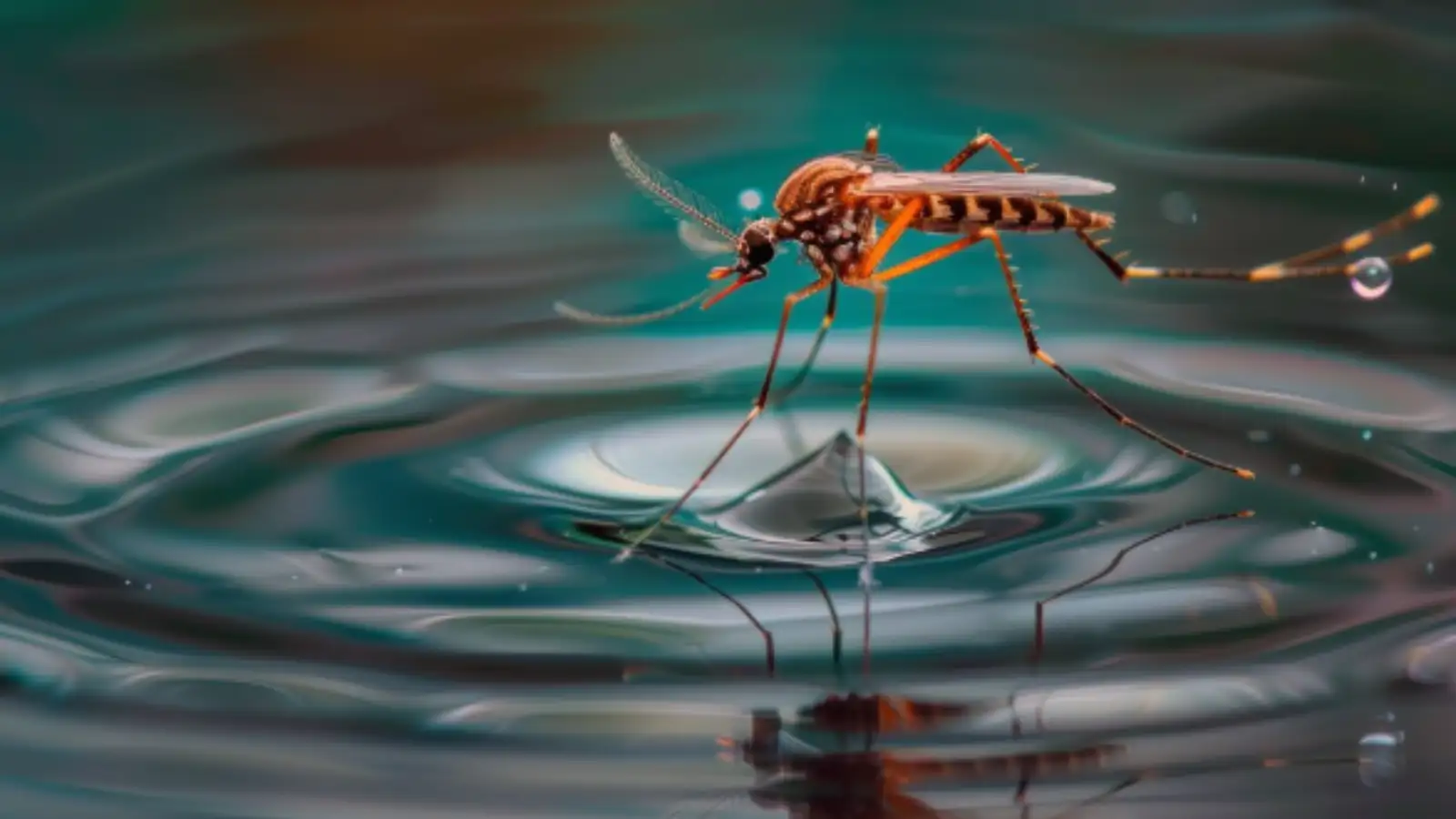
Understanding how these insects harm humans is crucial. Awareness not only helps us take preventive measures but can also save lives. Here are four of the deadliest insects known to mankind.
1. Asian Giant Hornet : The “Murder Hornet” With a Devastating Sting
The Asian Giant Hornet, often referred to as the “murder hornet,” is one of the most feared stinging insects in the world. Despite its size compared to other insects, it is still small enough to be underestimated.
Why Is It So Dangerous?
The venom attacks the nervous system and destroys tissues. Victims who suffer repeated stings may experience kidney failure, cardiac arrest, or even death - especially if medical treatment is delayed.
2. Mosquito: The World’s Deadliest Insect
The Mosquito is responsible for more human deaths than any other insect on Earth. While its bite may seem harmless, the diseases it spreads are anything but.
Deadly Diseases Spread by Mosquitoes
Certain species, such as the Anopheles mosquito, transmit parasites that cause malaria — a disease that claims hundreds of thousands of lives annually.
A single infected bite can introduce life-threatening pathogens into the bloodstream. Without timely treatment, these illnesses can lead to severe complications and death.
3. Kissing Bug: A Silent Carrier of Chagas Disease
The Kissing Bug may have an innocent name, but its impact on human health is serious. These insects feed on blood and typically bite around the face, which is how they got their nickname.
The Real Threat: Chagas Disease
Kissing bugs transmit a parasite called Trypanosoma cruzi. Infection with this parasite leads to Chagas disease, a potentially life-threatening condition.
Long-term complications include:
Chagas disease often progresses silently, making early detection and treatment critical.
4. Tsetse Fly: The Insect Behind African Sleeping Sickness
The Tsetse fly is primarily found in sub-Saharan Africa and is infamous for spreading a deadly parasitic infection.
How It Harms Humans
This fly transmits parasites that cause African sleeping sickness, also known as human African trypanosomiasis.
Once infected:
Symptoms include disrupted sleep patterns, confusion, coordination problems, coma, and if untreated, death.
Why Awareness of Dangerous Insects Matters
Although small in size, these insects have a massive impact on global health. They kill not just through venomous stings but also by spreading life-threatening diseases. The key to protection lies in:
The world’s deadliest creatures aren’t always the largest. Sometimes, the most dangerous threats are the ones we barely notice - until it’s too late.
Understanding how these insects harm humans is crucial. Awareness not only helps us take preventive measures but can also save lives. Here are four of the deadliest insects known to mankind.
1. Asian Giant Hornet : The “Murder Hornet” With a Devastating Sting
The Asian Giant Hornet, often referred to as the “murder hornet,” is one of the most feared stinging insects in the world. Despite its size compared to other insects, it is still small enough to be underestimated.
Why Is It So Dangerous?
- Its venom contains powerful neurotoxins and cytotoxins
- Multiple stings can cause organ failure
- Severe allergic reactions may trigger anaphylactic shock
The venom attacks the nervous system and destroys tissues. Victims who suffer repeated stings may experience kidney failure, cardiac arrest, or even death - especially if medical treatment is delayed.
2. Mosquito: The World’s Deadliest Insect
The Mosquito is responsible for more human deaths than any other insect on Earth. While its bite may seem harmless, the diseases it spreads are anything but.
Deadly Diseases Spread by Mosquitoes
- Malaria
- Dengue fever
- Zika virus
- Chikungunya
Certain species, such as the Anopheles mosquito, transmit parasites that cause malaria — a disease that claims hundreds of thousands of lives annually.
A single infected bite can introduce life-threatening pathogens into the bloodstream. Without timely treatment, these illnesses can lead to severe complications and death.
3. Kissing Bug: A Silent Carrier of Chagas Disease
The Kissing Bug may have an innocent name, but its impact on human health is serious. These insects feed on blood and typically bite around the face, which is how they got their nickname.
The Real Threat: Chagas Disease
Kissing bugs transmit a parasite called Trypanosoma cruzi. Infection with this parasite leads to Chagas disease, a potentially life-threatening condition.
Long-term complications include:
- Heart enlargement
- Irregular heartbeat
- Digestive tract damage
- Sudden cardiac arrest
Chagas disease often progresses silently, making early detection and treatment critical.
4. Tsetse Fly: The Insect Behind African Sleeping Sickness
The Tsetse fly is primarily found in sub-Saharan Africa and is infamous for spreading a deadly parasitic infection.
How It Harms Humans
This fly transmits parasites that cause African sleeping sickness, also known as human African trypanosomiasis.
Once infected:
- Parasites enter the bloodstream
- They eventually invade the brain
- Victims develop neurological damage
Symptoms include disrupted sleep patterns, confusion, coordination problems, coma, and if untreated, death.
Why Awareness of Dangerous Insects Matters
Although small in size, these insects have a massive impact on global health. They kill not just through venomous stings but also by spreading life-threatening diseases. The key to protection lies in:
- Using insect repellents
- Installing protective nets and screens
- Seeking immediate medical care after suspicious bites or stings
- Supporting vaccination and disease-control initiatives
The world’s deadliest creatures aren’t always the largest. Sometimes, the most dangerous threats are the ones we barely notice - until it’s too late.
Next Story