
4 Food Label Abbreviations You Must Check Before Buying Packaged Products

When shopping for packaged foods, most of us focus on price, flavour, or brand, often ignoring the small print on the labels. But understanding key food label abbreviations can make a huge difference to your nutrition, food safety, and overall eating experience.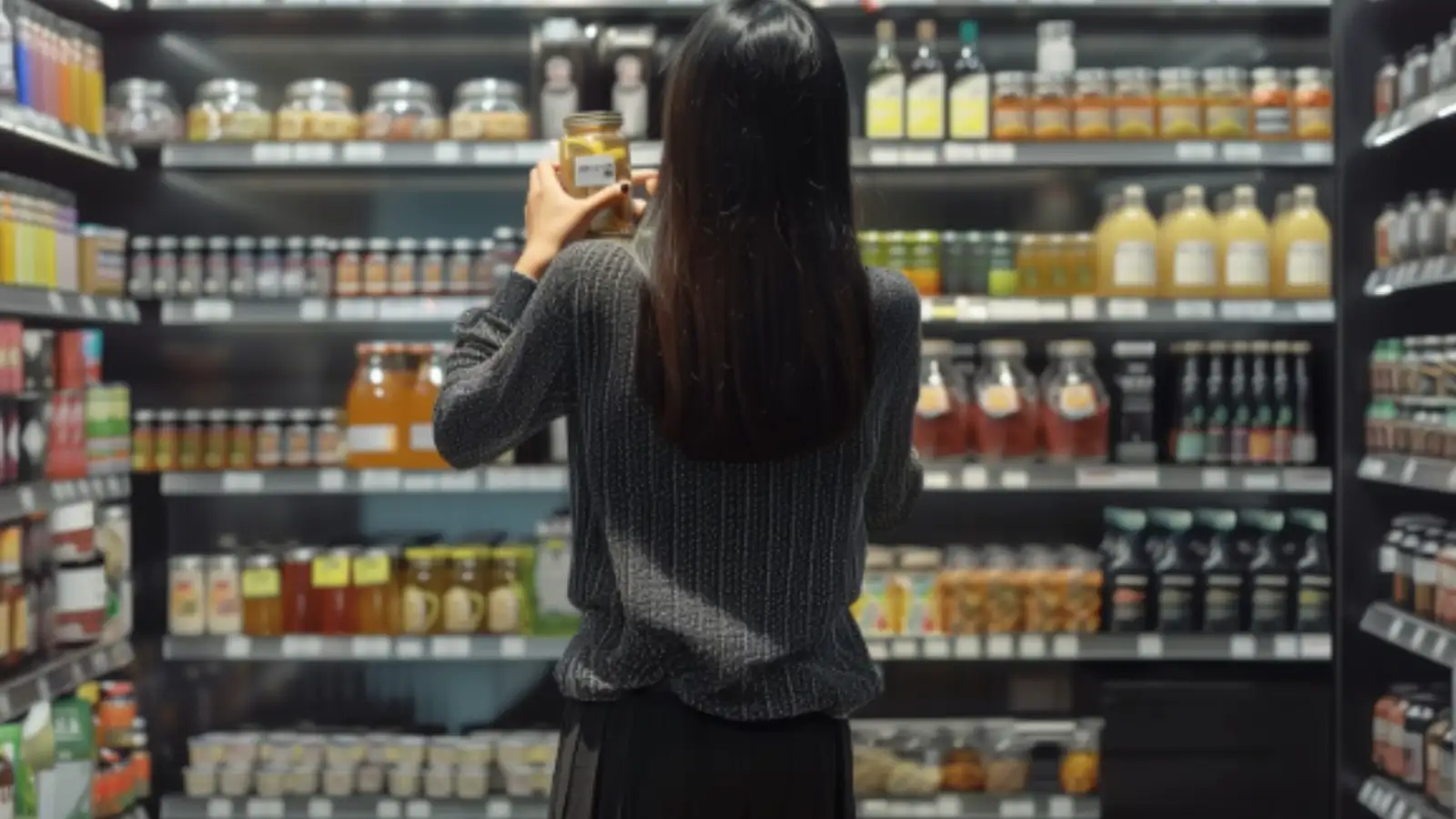
Experts say paying attention to these details helps you select products that are fresher, healthier, and of better quality. Dr Manika Singh, Nutritional Consultant at Godrej Industries Group, notes, “Food labels are designed to inform consumers, but many people don’t realise how much valuable information they contain. Understanding a few key abbreviations can help you assess freshness, safety, and overall quality before making a purchase."
Here are four food label abbreviations every shopper should know:
1. BBE – Best Before End
BBE, or Best Before End, is often overlooked in favour of expiry dates. While an expiry date indicates safety, BBE focuses on quality.
“BBE indicates how long the product will retain its optimal taste, texture, and freshness. While the food may still be safe to consume after this date, its quality may not be at its best," explains Dr Singh.
Checking BBE is especially useful for snacks, packaged foods, and pantry staples to ensure you enjoy them at their peak flavour.
2. IQF – Individually Quick Frozen
IQF stands for Individually Quick Frozen, a method where each piece of food is frozen rapidly and separately. This prevents clumping and preserves moisture, texture, and nutrients.
Dr Singh adds, “When foods are IQF-processed, they cook more evenly and retain their original quality much better compared to conventional freezing methods."
From frozen vegetables to seafood, looking for IQF on the label guarantees a fresher, tastier product.
3. HPP – High-Pressure Processing
High-Pressure Processing, or HPP, is commonly used for juices, dips, and ready-to-eat meals. Unlike traditional heat-based preservation, HPP uses pressure to maintain the food’s integrity.
“High-Pressure Processing preserves food using pressure instead of heat. This helps retain nutrients, flavour, and texture while ensuring safety, often without the need for chemical preservatives," says Dr Singh.
Products with HPP on the label indicate that you’re getting fresher, nutrient-rich items that last longer naturally.
4. FD – Freeze-Dried
FD, or Freeze-Dried, is a method used for fruits, coffee, and some snacks. Freeze-drying removes moisture while keeping taste, colour, and nutrients intact.
“Freeze-drying removes moisture while preserving the food’s taste, colour, and nutrients. This helps extend shelf life while maintaining quality," explains Dr Singh.
This process makes it easier to enjoy high-quality ingredients anytime without compromising nutrition.
Make Informed Choices with Label Knowledge
Understanding these abbreviations - BBE, IQF, HPP, and FD -can transform the way you shop for packaged foods. Dr Singh concludes, “Consumers today are becoming more conscious about what they eat. Paying attention to label details like BBE, IQF, HPP, and FD can help you choose products that are fresher, safer, and of better quality."
Next time you pick up a packaged product, check the label carefully. It’s a small habit that can have a big impact on your health and enjoyment of food.
Experts say paying attention to these details helps you select products that are fresher, healthier, and of better quality. Dr Manika Singh, Nutritional Consultant at Godrej Industries Group, notes, “Food labels are designed to inform consumers, but many people don’t realise how much valuable information they contain. Understanding a few key abbreviations can help you assess freshness, safety, and overall quality before making a purchase."
Here are four food label abbreviations every shopper should know:
1. BBE – Best Before End
BBE, or Best Before End, is often overlooked in favour of expiry dates. While an expiry date indicates safety, BBE focuses on quality.
“BBE indicates how long the product will retain its optimal taste, texture, and freshness. While the food may still be safe to consume after this date, its quality may not be at its best," explains Dr Singh.
Checking BBE is especially useful for snacks, packaged foods, and pantry staples to ensure you enjoy them at their peak flavour.
2. IQF – Individually Quick Frozen
IQF stands for Individually Quick Frozen, a method where each piece of food is frozen rapidly and separately. This prevents clumping and preserves moisture, texture, and nutrients.
Dr Singh adds, “When foods are IQF-processed, they cook more evenly and retain their original quality much better compared to conventional freezing methods."
From frozen vegetables to seafood, looking for IQF on the label guarantees a fresher, tastier product.
3. HPP – High-Pressure Processing
High-Pressure Processing, or HPP, is commonly used for juices, dips, and ready-to-eat meals. Unlike traditional heat-based preservation, HPP uses pressure to maintain the food’s integrity.
“High-Pressure Processing preserves food using pressure instead of heat. This helps retain nutrients, flavour, and texture while ensuring safety, often without the need for chemical preservatives," says Dr Singh.
Products with HPP on the label indicate that you’re getting fresher, nutrient-rich items that last longer naturally.
4. FD – Freeze-Dried
FD, or Freeze-Dried, is a method used for fruits, coffee, and some snacks. Freeze-drying removes moisture while keeping taste, colour, and nutrients intact.
“Freeze-drying removes moisture while preserving the food’s taste, colour, and nutrients. This helps extend shelf life while maintaining quality," explains Dr Singh.
This process makes it easier to enjoy high-quality ingredients anytime without compromising nutrition.
Make Informed Choices with Label Knowledge
Understanding these abbreviations - BBE, IQF, HPP, and FD -can transform the way you shop for packaged foods. Dr Singh concludes, “Consumers today are becoming more conscious about what they eat. Paying attention to label details like BBE, IQF, HPP, and FD can help you choose products that are fresher, safer, and of better quality."
Next time you pick up a packaged product, check the label carefully. It’s a small habit that can have a big impact on your health and enjoyment of food.
Next Story