
4 Places Outside India Where Shiva Temples Exist


There is something deeply timeless about Lord Shiva. He is not bound by geography, language, or even religion in the conventional sense. While India is home to countless sacred Shiva temples, what many people don’t realize is that the devotion to Shiva has travelled far beyond Indian borders. Across continents and cultures, temples dedicated to Shiva stand as silent witnesses to centuries of faith, migration, and spiritual continuity.
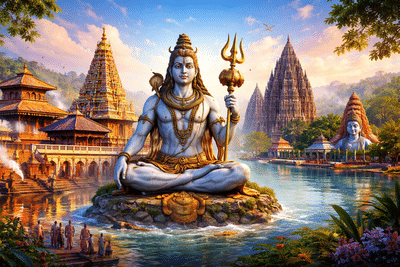
These temples are not just places of worship. They are cultural bridges, preserving ancient traditions in foreign lands and reminding us that spirituality knows no boundaries. Here are four remarkable places outside India where Shiva temples exist, each carrying its own story, history, and significance.
1. Pashupatinath Temple, Nepal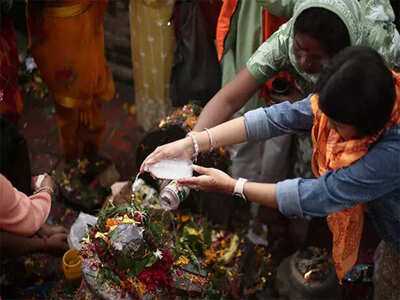
The name Pashupatinath means the Lord of all living beings. This reflects Shiva’s role not just as a destroyer but as a protector and guide of all existence. The temple is believed to date back to at least the 5th century, though references suggest its presence even earlier.
What makes this temple unique is its deep connection with life and death. The ghats beside the temple are used for cremation rituals, reinforcing Shiva’s association with the cycle of existence. Devotees believe that dying in the vicinity of Pashupatinath can lead to liberation from the cycle of rebirth.
The architecture follows the traditional Nepali pagoda style, distinct from Indian temple structures. Despite this difference, the rituals, chants, and spiritual energy remain deeply rooted in Shaivism.
2. Munneswaram Temple, Sri LankaSituated near Chilaw in Sri Lanka, the Munneswaram Temple is a significant Shiva temple that reflects the island’s ancient Hindu heritage. It is believed to have existed for over a thousand years and has survived multiple invasions and reconstructions.
According to local belief, this temple is connected to the Ramayana. It is said that Lord Rama prayed here to seek forgiveness from Shiva after defeating Ravana. This connection gives the temple a unique spiritual narrative that blends history, mythology, and regional culture.
The temple complex includes shrines dedicated to various deities, but Shiva remains the central figure. The rituals here follow South Indian traditions, showcasing the influence of Tamil culture in Sri Lanka.
One of the most striking aspects of Munneswaram is its annual festival, which attracts thousands of devotees. The temple becomes a vibrant center of devotion, music, and ritualistic celebration, highlighting how Shiva worship continues to thrive outside India.
3. Prambanan Temple, IndonesiaIn Central Java, Indonesia, stands Prambanan, the largest Hindu temple complex in Southeast Asia. While Indonesia is now predominantly Muslim, this temple stands as a powerful reminder of its Hindu past.
The central structure of Prambanan is dedicated to Shiva, known here as Shiva Mahadeva. The towering temple rises nearly 47 meters high, making it an architectural marvel and a symbol of divine grandeur.
Built in the 9th century during the Mataram Kingdom, Prambanan reflects a sophisticated understanding of temple architecture. The walls are adorned with intricate carvings that narrate stories from the Ramayana and other Hindu texts.
The prominence of Shiva in this complex highlights how Shaivism once flourished in Indonesia. Even today, the temple attracts devotees, historians, and tourists from across the world, bridging ancient spirituality with modern curiosity.
4. Ganga Talao Shiva Temple, Mauritius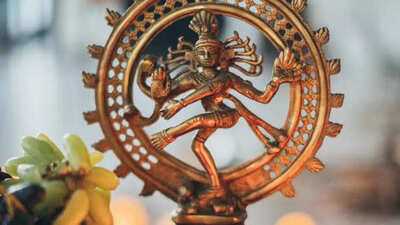
In the island nation of Mauritius lies Ganga Talao, also known as Grand Bassin, one of the most important Hindu pilgrimage sites outside India. At this sacred lake stands a massive statue of Lord Shiva, known as Mangal Mahadev.
The temple here is closely associated with Maha Shivaratri celebrations. Every year, thousands of devotees walk long distances carrying kanwars to offer prayers at this site, mirroring traditions seen in India.
The belief that the waters of Ganga Talao are spiritually connected to the Ganges River adds to its significance. This idea symbolizes how sacred geography can transcend physical boundaries.
The presence of such a prominent Shiva temple in Mauritius reflects the cultural legacy of Indian indentured laborers who carried their faith across oceans. Over generations, this devotion has only grown stronger, turning the site into a spiritual landmark.
These temples are not just places of worship. They are cultural bridges, preserving ancient traditions in foreign lands and reminding us that spirituality knows no boundaries. Here are four remarkable places outside India where Shiva temples exist, each carrying its own story, history, and significance.
1. Pashupatinath Temple, Nepal
Devotees throng Pashupatinath Temple as Nepal observes second Sawan Somwar
Located on the banks of the Bagmati River in Kathmandu, the Pashupatinath Temple is one of the most sacred Shiva shrines in the world. It is considered so spiritually powerful that it is often compared to the Jyotirlingas of India.The name Pashupatinath means the Lord of all living beings. This reflects Shiva’s role not just as a destroyer but as a protector and guide of all existence. The temple is believed to date back to at least the 5th century, though references suggest its presence even earlier.
What makes this temple unique is its deep connection with life and death. The ghats beside the temple are used for cremation rituals, reinforcing Shiva’s association with the cycle of existence. Devotees believe that dying in the vicinity of Pashupatinath can lead to liberation from the cycle of rebirth.
The architecture follows the traditional Nepali pagoda style, distinct from Indian temple structures. Despite this difference, the rituals, chants, and spiritual energy remain deeply rooted in Shaivism.
2. Munneswaram Temple, Sri LankaSituated near Chilaw in Sri Lanka, the Munneswaram Temple is a significant Shiva temple that reflects the island’s ancient Hindu heritage. It is believed to have existed for over a thousand years and has survived multiple invasions and reconstructions.
According to local belief, this temple is connected to the Ramayana. It is said that Lord Rama prayed here to seek forgiveness from Shiva after defeating Ravana. This connection gives the temple a unique spiritual narrative that blends history, mythology, and regional culture.
The temple complex includes shrines dedicated to various deities, but Shiva remains the central figure. The rituals here follow South Indian traditions, showcasing the influence of Tamil culture in Sri Lanka.
One of the most striking aspects of Munneswaram is its annual festival, which attracts thousands of devotees. The temple becomes a vibrant center of devotion, music, and ritualistic celebration, highlighting how Shiva worship continues to thrive outside India.
3. Prambanan Temple, IndonesiaIn Central Java, Indonesia, stands Prambanan, the largest Hindu temple complex in Southeast Asia. While Indonesia is now predominantly Muslim, this temple stands as a powerful reminder of its Hindu past.
The central structure of Prambanan is dedicated to Shiva, known here as Shiva Mahadeva. The towering temple rises nearly 47 meters high, making it an architectural marvel and a symbol of divine grandeur.
Built in the 9th century during the Mataram Kingdom, Prambanan reflects a sophisticated understanding of temple architecture. The walls are adorned with intricate carvings that narrate stories from the Ramayana and other Hindu texts.
The prominence of Shiva in this complex highlights how Shaivism once flourished in Indonesia. Even today, the temple attracts devotees, historians, and tourists from across the world, bridging ancient spirituality with modern curiosity.
4. Ganga Talao Shiva Temple, Mauritius
In the island nation of Mauritius lies Ganga Talao, also known as Grand Bassin, one of the most important Hindu pilgrimage sites outside India. At this sacred lake stands a massive statue of Lord Shiva, known as Mangal Mahadev.
The temple here is closely associated with Maha Shivaratri celebrations. Every year, thousands of devotees walk long distances carrying kanwars to offer prayers at this site, mirroring traditions seen in India.
The belief that the waters of Ganga Talao are spiritually connected to the Ganges River adds to its significance. This idea symbolizes how sacred geography can transcend physical boundaries.
The presence of such a prominent Shiva temple in Mauritius reflects the cultural legacy of Indian indentured laborers who carried their faith across oceans. Over generations, this devotion has only grown stronger, turning the site into a spiritual landmark.
Next Story