
5 Krishna Temples Where You Can Feel Closest To Lord Krishna


“वसुदेवसुतं देवं कंसचाणूरमर्दनम्।
देवकीपरमानन्दं कृष्णं वन्दे जगद्गुरुम्॥”
There are some places in India where Lord Krishna does not feel like a distant deity from ancient stories. Instead, He feels present in every chant, every bell, every flower offered at His feet, and every devotee who arrives with faith in their heart. From the playful Krishna of Vrindavan to the royal Krishna of Dwarka, these temples are not just places of worship. They are places where devotees say they feel closest to Lord Krishna.
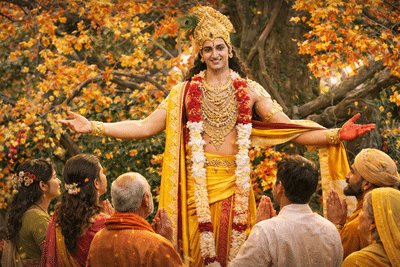
Many of these temples are linked directly to Krishna’s life, childhood, kingdom, teachings, and miracles. Visiting them is not just a spiritual journey, but an emotional one too.
Banke Bihari Temple, Vrindavan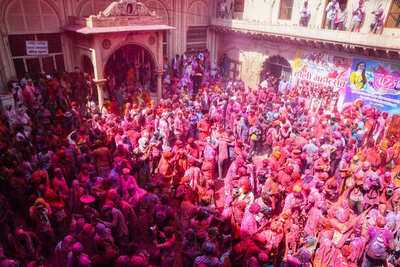 Vrindavan, Mar 02 (ANI): People play Holi with flower petals and colours as part of Holi celebrations, in Vrindavan on Monday. (ANI Photo)
Shri Banke Bihari Temple
Among all Krishna temples in India, Banke Bihari Temple in Vrindavan is perhaps the one that makes devotees feel closest to Krishna’s playful and loving form. Vrindavan is believed to be the place where Krishna spent His childhood, played the flute, performed Raas Leela, and shared His bond with Radha and the gopis.
The idol of Banke Bihari is considered unique because Krishna is shown in the Tribhanga posture, slightly bent at three places, which reflects His graceful and charming form. One special feature of this temple is that the curtain in front of the idol is opened and closed repeatedly every few seconds. It is believed that Krishna’s divine charm is so powerful that devotees can become completely lost in His eyes.
Vrindavan itself has a different atmosphere. The narrow lanes, temple bells, bhajans, and fragrance of flowers make many people feel as if Krishna’s presence can still be experienced there.
Dwarkadhish Temple, Dwarka Dwarkadhish Temple
If Vrindavan represents Krishna’s childhood, Dwarka represents His royal life as a king, guide, and protector. Dwarkadhish Temple in Gujarat is believed to stand in the city where Lord Krishna ruled after leaving Mathura.
The temple is also known as Jagat Mandir and is one of the Char Dham pilgrimage sites in India. Its five-storey structure and grand architecture make it one of the most important Krishna temples in the country. The word Dwarka itself means “gateway to liberation,” which gives the temple even greater spiritual significance.
Devotees believe that standing near the temple, with the sound of the sea nearby and Krishna’s flag flying high above, creates a feeling of deep peace and surrender. Many people visit Dwarka not just for darshan, but to feel closer to the Krishna who guided the world through wisdom and duty.
Jagannath Temple, Puri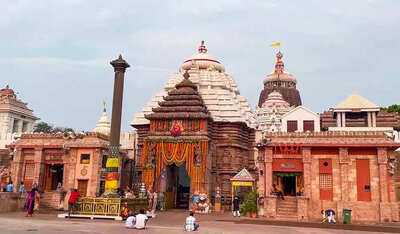 Puri, Mar 28 (ANI): A view of Shree Jagannath Temple, in Puri on Saturday. (ANI Video Grab)
Shree Jagannatha Temple Puri
Jagannath Temple in Puri is one of the most sacred temples in India and is deeply connected to Lord Krishna. Here, Krishna is worshipped in the form of Jagannath, alongside Balabhadra and Subhadra.
What makes this temple special is that many devotees believe visiting Jagannath Temple brings the same spiritual benefit as visiting several holy places together. The temple is also famous for its grand Rath Yatra, where Lord Jagannath is taken out in a huge chariot procession attended by lakhs of devotees.
The energy of the temple is very different from most other places. From the giant wooden idols to the massive temple kitchens and ancient rituals, everything about Jagannath Temple creates a feeling of devotion on a grand scale.
Guruvayur Temple, Kerala Guruvayur Sree Krishna Temple
Guruvayur Temple in Kerala is often called the “Dwarka of the South.” It is one of the most important Krishna temples in South India and is visited by millions of devotees every year.
The deity here is worshipped in the form of a young Krishna holding a conch, discus, mace, and lotus. According to belief, this idol was once worshipped by Lord Brahma himself. Guruvayur is especially known for its strict rituals, devotional atmosphere, and the deep faith people have in Krishna’s blessings here.
Many devotees visit Guruvayur during important life moments such as marriages, birthdays, and prayers for children because the temple is believed to bring peace, prosperity, and protection.
Udupi Krishna Temple, Karnataka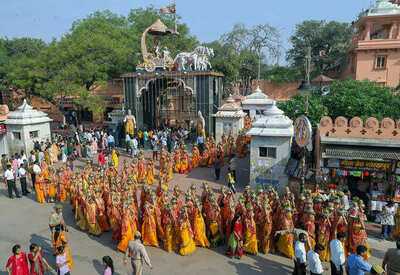 Mathura, Mar 24 (ANI): Women devotees carry pots during a religious procession taken towards the bank of the river Yamuna celebrating Yamuna Chhath (Birthday of Goddess Yamuna) from Sri Krishna Janamsthan temple in Mathura on Tuesday. (ANI Photo)
Udupi Shri Krishna Matha
Udupi Krishna Temple is one of the most unique Krishna temples in India because devotees do not view the deity directly from the front. Instead, Krishna is worshipped through a small silver window called Kanakana Kindi.
This tradition is connected to the story of Kanakadasa, a devotee who was not allowed to enter the temple because of his caste. According to legend, Krishna turned around to bless him through a small window in the wall. That window still remains one of the temple’s most important symbols of faith, equality, and devotion.
देवकीपरमानन्दं कृष्णं वन्दे जगद्गुरुम्॥”
There are some places in India where Lord Krishna does not feel like a distant deity from ancient stories. Instead, He feels present in every chant, every bell, every flower offered at His feet, and every devotee who arrives with faith in their heart. From the playful Krishna of Vrindavan to the royal Krishna of Dwarka, these temples are not just places of worship. They are places where devotees say they feel closest to Lord Krishna.
Many of these temples are linked directly to Krishna’s life, childhood, kingdom, teachings, and miracles. Visiting them is not just a spiritual journey, but an emotional one too.
Banke Bihari Temple, Vrindavan
Shri Banke Bihari Temple
Among all Krishna temples in India, Banke Bihari Temple in Vrindavan is perhaps the one that makes devotees feel closest to Krishna’s playful and loving form. Vrindavan is believed to be the place where Krishna spent His childhood, played the flute, performed Raas Leela, and shared His bond with Radha and the gopis.
The idol of Banke Bihari is considered unique because Krishna is shown in the Tribhanga posture, slightly bent at three places, which reflects His graceful and charming form. One special feature of this temple is that the curtain in front of the idol is opened and closed repeatedly every few seconds. It is believed that Krishna’s divine charm is so powerful that devotees can become completely lost in His eyes.
Vrindavan itself has a different atmosphere. The narrow lanes, temple bells, bhajans, and fragrance of flowers make many people feel as if Krishna’s presence can still be experienced there.
Dwarkadhish Temple, Dwarka Dwarkadhish Temple
If Vrindavan represents Krishna’s childhood, Dwarka represents His royal life as a king, guide, and protector. Dwarkadhish Temple in Gujarat is believed to stand in the city where Lord Krishna ruled after leaving Mathura.
The temple is also known as Jagat Mandir and is one of the Char Dham pilgrimage sites in India. Its five-storey structure and grand architecture make it one of the most important Krishna temples in the country. The word Dwarka itself means “gateway to liberation,” which gives the temple even greater spiritual significance.
Devotees believe that standing near the temple, with the sound of the sea nearby and Krishna’s flag flying high above, creates a feeling of deep peace and surrender. Many people visit Dwarka not just for darshan, but to feel closer to the Krishna who guided the world through wisdom and duty.
Jagannath Temple, Puri
Shree Jagannatha Temple Puri
Jagannath Temple in Puri is one of the most sacred temples in India and is deeply connected to Lord Krishna. Here, Krishna is worshipped in the form of Jagannath, alongside Balabhadra and Subhadra.
What makes this temple special is that many devotees believe visiting Jagannath Temple brings the same spiritual benefit as visiting several holy places together. The temple is also famous for its grand Rath Yatra, where Lord Jagannath is taken out in a huge chariot procession attended by lakhs of devotees.
The energy of the temple is very different from most other places. From the giant wooden idols to the massive temple kitchens and ancient rituals, everything about Jagannath Temple creates a feeling of devotion on a grand scale.
Guruvayur Temple, Kerala Guruvayur Sree Krishna Temple
Guruvayur Temple in Kerala is often called the “Dwarka of the South.” It is one of the most important Krishna temples in South India and is visited by millions of devotees every year.
The deity here is worshipped in the form of a young Krishna holding a conch, discus, mace, and lotus. According to belief, this idol was once worshipped by Lord Brahma himself. Guruvayur is especially known for its strict rituals, devotional atmosphere, and the deep faith people have in Krishna’s blessings here.
Many devotees visit Guruvayur during important life moments such as marriages, birthdays, and prayers for children because the temple is believed to bring peace, prosperity, and protection.
Udupi Krishna Temple, Karnataka
Udupi Shri Krishna Matha
Udupi Krishna Temple is one of the most unique Krishna temples in India because devotees do not view the deity directly from the front. Instead, Krishna is worshipped through a small silver window called Kanakana Kindi.
This tradition is connected to the story of Kanakadasa, a devotee who was not allowed to enter the temple because of his caste. According to legend, Krishna turned around to bless him through a small window in the wall. That window still remains one of the temple’s most important symbols of faith, equality, and devotion.
Next Story