
5 Tiny Details That Matter After Surgery


Undergoing surgery can feel like crossing a major milestone. Whether it is a medical procedure, cosmetic surgery, or minor operation, most people believe that once the surgery is over, the hardest part is finished. In reality, recovery begins the moment you leave the operating room.
Doctors provide instructions about medicines and rest, but many small everyday details are often ignored. These tiny actions may seem unimportant, yet they can make a big difference in how quickly and smoothly the body heals.

Some patients recover faster than expected, while others experience discomfort, swelling, or delayed healing even after successful surgery. The difference often lies in simple habits followed during recovery.
This article focuses on five small but essential details that help the body heal better after surgery. These tips are easy to understand and practical for anyone recovering at home.
Why Post Surgery Care Matters More Than You Think?
The human body works hard to repair tissues after surgery. During healing, the immune system becomes highly active, rebuilding damaged areas and preventing infection.
Recovery depends on several factors:
1. Sleep Position Can Change Your Recovery
Many people underestimate how important sleeping position is after surgery. However, the way you sleep affects swelling, blood flow, and pressure on healing tissues.
Why Sleep Position Matters
 After surgery, tissues are sensitive and inflamed. Poor sleeping posture may:
2. Hydration Is a Hidden Healing Tool
 Many patients focus on food but forget the importance of drinking enough water. Hydration plays a major role in recovery.
How Water Helps Healing
Water supports:
Practical Hydration Tips
Limit sugary or caffeinated drinks during early recovery. Proper hydration keeps the body functioning smoothly while it heals.
3. Gentle Movement Prevents Complications
Rest is essential after surgery, but complete inactivity can sometimes slow recovery.
Many people assume they must stay in bed all day, which can cause stiffness and poor circulation.
Benefits of Light Movement
With doctor approval, gentle movement helps:
Safe Movement Guidelines
4. Wound Care Details That People Often Ignore
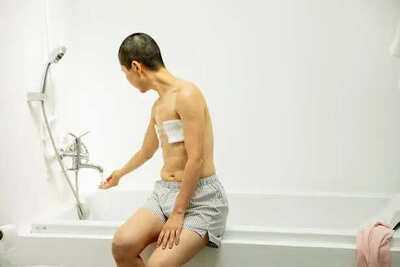 Proper wound care is one of the most important yet commonly misunderstood parts of recovery.
Small mistakes can increase infection risk or cause scarring.
Common Errors
5. Emotional Health Plays a Bigger Role Than Expected
Recovery is not only physical. Emotional wellbeing strongly influences healing speed.
After surgery, some people experience:
Why Mental Health Matters?

Stress releases hormones that may slow healing and increase inflammation. Positive emotional support helps the body relax and recover faster.
Ways to Support Emotional Recovery
Common Recovery Mistakes Patients Make
Understanding mistakes can help avoid setbacks.
Doing Too Much Too Soon
Feeling better does not always mean the body is fully healed. Overactivity may reopen wounds or increase swelling.
Ignoring Nutrition
Protein, vitamins, and minerals support tissue repair. Skipping meals delays recovery.
Skipping Follow Up Visits
Doctors monitor healing progress and catch early problems. Missing appointments can lead to unnoticed complications.
Searching Online Instead of Asking Doctors
Every surgery is different. Personalized medical advice is always safer than general internet tips.
Simple Daily Routine for Better Healing

A balanced recovery routine may include:
Morning:
How Long Does Recovery Usually Take?
Recovery timelines vary depending on:
The Power of Small Habits in Recovery
The biggest lesson after surgery is that recovery does not depend only on major medical treatments. Small actions repeated daily create meaningful results.
Tiny habits such as drinking enough water, maintaining good posture, caring for wounds gently, and staying emotionally positive help the body work efficiently.
These small details may not seem dramatic, but together they form the foundation of successful healing.
Surgery may be the turning point in treatment, but recovery determines the final outcome. Paying attention to small details after surgery can improve comfort, reduce complications, and support faster healing.
Simple practices like proper sleep positioning, staying hydrated, moving gently, maintaining careful wound care, and supporting emotional wellbeing play powerful roles in recovery. These actions require little effort but deliver lasting benefits.
Healing is not about doing everything perfectly. It is about consistently making small, thoughtful choices that help the body regain strength step by step. By focusing on these tiny yet important details, patients can experience smoother recovery and better overall results after surgery.
Discover expert advice and the latest updates in Skin Care, Hair Care, Wellness, Dermatology, and more at Stay Young guide to lasting beauty and holistic health!
Doctors provide instructions about medicines and rest, but many small everyday details are often ignored. These tiny actions may seem unimportant, yet they can make a big difference in how quickly and smoothly the body heals.
Some patients recover faster than expected, while others experience discomfort, swelling, or delayed healing even after successful surgery. The difference often lies in simple habits followed during recovery.
This article focuses on five small but essential details that help the body heal better after surgery. These tips are easy to understand and practical for anyone recovering at home.
Why Post Surgery Care Matters More Than You Think?
The human body works hard to repair tissues after surgery. During healing, the immune system becomes highly active, rebuilding damaged areas and preventing infection.
Recovery depends on several factors:
- Blood circulation
- Nutrition
- Rest quality
- Stress levels
- Proper wound care
1. Sleep Position Can Change Your Recovery
Many people underestimate how important sleeping position is after surgery. However, the way you sleep affects swelling, blood flow, and pressure on healing tissues.
Why Sleep Position Matters
- Increase swelling
- Cause pain or stiffness
- Delay healing
- Put pressure on surgical areas
- After facial surgery, sleeping with the head slightly elevated reduces swelling.
- After abdominal procedures, sleeping on the back may reduce strain.
- After certain orthopedic surgeries, pillow support helps maintain alignment.
- Use extra pillows for support.
- Avoid sudden turning during sleep.
- Follow your doctor’s recommended position strictly.
- Create a comfortable sleeping setup before surgery if possible.
2. Hydration Is a Hidden Healing Tool
How Water Helps Healing
Water supports:
- Nutrient transport to healing tissues
- Removal of toxins and anesthesia remnants
- Reduced constipation from medications
- Improved skin and tissue repair
Practical Hydration Tips
- Drink small amounts regularly instead of large quantities at once.
- Include soups or coconut water if allowed.
3. Gentle Movement Prevents Complications
Rest is essential after surgery, but complete inactivity can sometimes slow recovery.
Many people assume they must stay in bed all day, which can cause stiffness and poor circulation.
Benefits of Light Movement
With doctor approval, gentle movement helps:
- Improve blood circulation
- Reduce risk of blood clots
- Prevent muscle stiffness
- Boost mood and energy
Safe Movement Guidelines
- Start slowly and increase gradually.
- Avoid lifting heavy objects.
- Stop immediately if pain increases.
- Follow medical advice specific to your surgery.
4. Wound Care Details That People Often Ignore
Small mistakes can increase infection risk or cause scarring.
Common Errors
- Touching wounds with unclean hands
- Removing dressings too early
- Applying home remedies without medical advice
- Ignoring redness or unusual discharge
- Wash hands before touching the area.
- Keep the wound clean and dry as instructed.
- Follow dressing schedules carefully.
- Attend follow up appointments even if healing looks fine.
5. Emotional Health Plays a Bigger Role Than Expected
Recovery is not only physical. Emotional wellbeing strongly influences healing speed.
After surgery, some people experience:
- Mood changes
- Anxiety about results
- Temporary sadness
- Frustration due to limited activity
Why Mental Health Matters?
Stress releases hormones that may slow healing and increase inflammation. Positive emotional support helps the body relax and recover faster.
Ways to Support Emotional Recovery
- Stay connected with family or friends.
- Watch light entertainment or read.
- Celebrate small recovery milestones.
- Avoid comparing recovery progress with others.
Common Recovery Mistakes Patients Make
Understanding mistakes can help avoid setbacks.
Doing Too Much Too Soon
Feeling better does not always mean the body is fully healed. Overactivity may reopen wounds or increase swelling.
Ignoring Nutrition
Protein, vitamins, and minerals support tissue repair. Skipping meals delays recovery.
Skipping Follow Up Visits
Doctors monitor healing progress and catch early problems. Missing appointments can lead to unnoticed complications.
Searching Online Instead of Asking Doctors
Every surgery is different. Personalized medical advice is always safer than general internet tips.
Simple Daily Routine for Better Healing
A balanced recovery routine may include:
Morning:
- Gentle stretching if approved
- Nutritious breakfast
- Medication as prescribed
- Short walk or light movement
- Hydration and rest
- Wound care check
- Relaxation activities
- Proper sleep setup
How Long Does Recovery Usually Take?
Recovery timelines vary depending on:
- Type of surgery
- Age and health condition
- Lifestyle habits
- Post surgery care quality
The Power of Small Habits in Recovery
The biggest lesson after surgery is that recovery does not depend only on major medical treatments. Small actions repeated daily create meaningful results.
Tiny habits such as drinking enough water, maintaining good posture, caring for wounds gently, and staying emotionally positive help the body work efficiently.
These small details may not seem dramatic, but together they form the foundation of successful healing.
Surgery may be the turning point in treatment, but recovery determines the final outcome. Paying attention to small details after surgery can improve comfort, reduce complications, and support faster healing.
Simple practices like proper sleep positioning, staying hydrated, moving gently, maintaining careful wound care, and supporting emotional wellbeing play powerful roles in recovery. These actions require little effort but deliver lasting benefits.
Healing is not about doing everything perfectly. It is about consistently making small, thoughtful choices that help the body regain strength step by step. By focusing on these tiny yet important details, patients can experience smoother recovery and better overall results after surgery.
Discover expert advice and the latest updates in Skin Care, Hair Care, Wellness, Dermatology, and more at Stay Young guide to lasting beauty and holistic health!
Next Story