
7 Common Types of Salt and How to Use Them Properly

Salt is one of the most essential ingredients in cooking. It may seem simple, but the type of salt you use can make a noticeable difference in taste, texture, and even how food is prepared. From everyday table salt to specialty salts used by professional chefs, each variety has its own unique qualities.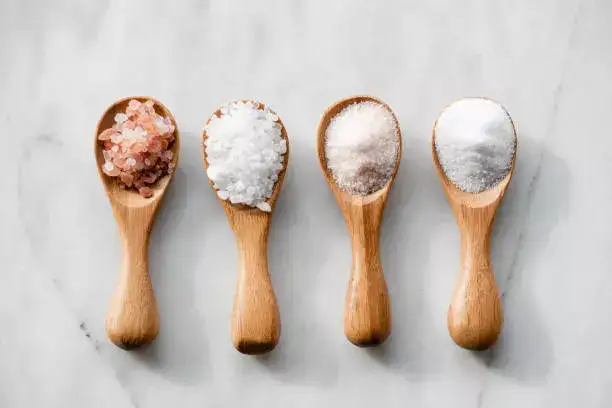
Understanding the different types of salt and their uses can help you cook more confidently and enhance the flavor of your meals. Here are seven common types of salt and how to use them properly in the kitchen.
How to use it:
Table salt works well for everyday cooking and baking. Because of its fine texture, it mixes evenly into batters, doughs, soups, and sauces.
How to use it:
Sea salt is often used as a finishing salt. A light sprinkle over salads, roasted vegetables, or grilled dishes can enhance flavor and add a pleasant crunch.
How to use it:
This salt can be used in everyday cooking or in salt grinders. Many people also use it as a finishing salt to add both flavor and visual appeal to dishes.
How to use it:
Chefs often prefer kosher salt for seasoning meat, vegetables, and soups. It is also ideal for marinating and brining because the crystals dissolve slowly and distribute evenly.
How to use it:
Rock salt is commonly used for preserving foods and in certain cooking methods. It is also used in making ice cream because it helps lower the freezing temperature of ice.
How to use it:
It is often added to fruit salads, snacks, chutneys, and drinks. A small pinch can enhance the flavor of street food style dishes and refreshing beverages.
How to use it:
Flake salt is best used as a finishing touch. Sprinkle it over grilled meats, roasted vegetables, baked bread, or even desserts like chocolate and caramel for extra flavor and texture.
By understanding these differences, you can choose the right salt for each recipe and bring out the best flavors in your meals. Sometimes, a simple change in the type of salt can make a dish taste even better.
Exploring different varieties of salt can make cooking more interesting and help you appreciate how this simple ingredient enhances the taste of food.
Understanding the different types of salt and their uses can help you cook more confidently and enhance the flavor of your meals. Here are seven common types of salt and how to use them properly in the kitchen.
Table Salt
Table salt is the most widely used salt in homes around the world. It is highly refined and usually contains added iodine, which supports thyroid health. The grains are very fine, allowing the salt to dissolve quickly in food.How to use it:
Table salt works well for everyday cooking and baking. Because of its fine texture, it mixes evenly into batters, doughs, soups, and sauces.
Sea Salt
Sea salt is produced by evaporating seawater and is generally less processed than table salt. It often contains trace minerals that add a subtle flavor and comes in a variety of crystal sizes.How to use it:
Sea salt is often used as a finishing salt. A light sprinkle over salads, roasted vegetables, or grilled dishes can enhance flavor and add a pleasant crunch.
Himalayan Pink Salt
Himalayan pink salt is known for its soft pink color, which comes from natural minerals found in the salt deposits. It has a mild flavor and is often available in coarse crystals.How to use it:
This salt can be used in everyday cooking or in salt grinders. Many people also use it as a finishing salt to add both flavor and visual appeal to dishes.
Kosher Salt
Kosher salt has larger, flaky crystals compared to table salt. Its coarse texture makes it easy to handle and control when seasoning food.How to use it:
Chefs often prefer kosher salt for seasoning meat, vegetables, and soups. It is also ideal for marinating and brining because the crystals dissolve slowly and distribute evenly.
Rock Salt
Rock salt consists of large, coarse crystals that are usually less refined. It is often used in traditional cooking techniques rather than direct seasoning.How to use it:
Rock salt is commonly used for preserving foods and in certain cooking methods. It is also used in making ice cream because it helps lower the freezing temperature of ice.
Black Salt
Black salt, widely used in South Asian cuisine, has a distinctive flavor and aroma due to the minerals it contains. Its taste is slightly tangy and smoky.How to use it:
It is often added to fruit salads, snacks, chutneys, and drinks. A small pinch can enhance the flavor of street food style dishes and refreshing beverages.
Flake Salt
Flake salt forms thin, delicate crystals that are light and crunchy. It dissolves quickly and is valued for the texture it adds to food.How to use it:
Flake salt is best used as a finishing touch. Sprinkle it over grilled meats, roasted vegetables, baked bread, or even desserts like chocolate and caramel for extra flavor and texture.
Choosing the Right Salt
Each type of salt serves a different purpose in cooking. Fine salts are ideal for baking and everyday cooking because they dissolve quickly. Coarser salts are better suited for finishing dishes or seasoning meat.By understanding these differences, you can choose the right salt for each recipe and bring out the best flavors in your meals. Sometimes, a simple change in the type of salt can make a dish taste even better.
A Small Ingredient That Makes a Big Difference
Salt may be a basic ingredient, but it plays a powerful role in cooking. Whether you are preparing a simple home meal or experimenting with new recipes, using the right type of salt can elevate both flavor and texture.Exploring different varieties of salt can make cooking more interesting and help you appreciate how this simple ingredient enhances the taste of food.
Next Story