8 Stock Market Myths That Stop People From Investing


Despite rising awareness, India still has a surprisingly low share of households invested in equities compared to global standards. Regulatory surveys, RBI household finance data, and market participation trends point to a common pattern. People are not rejecting wealth creation. They are rejecting uncertainty, complexity, and the fear of regret.
The stock market feels intimidating not because it is inaccessible, but because myths shape how people perceive risk and responsibility. These myths feel logical from a day to day point of view. That is why they persist.
 1. Stocks are only for rich people
Market data from Indian exchanges shows that retail investor accounts have grown rapidly over the past few years, largely driven by first time investors contributing small, regular amounts. The average ticket size of many retail investments remains modest.
The psychological barrier is not money. It is the belief that effort must immediately show results to be worthwhile. Small investments feel insignificant because compounding works quietly at first.
What people miss is that wealth creation in equities depends far more on consistency and time than on starting capital. Delaying entry because the amount feels small often costs more than starting early with less.
2. Investing means losing money at some point Fear of loss dominates financial decision making. Behavioural finance research consistently shows that people experience losses more intensely than gains of the same size.
In the Indian context, this fear is reinforced by visible events like market crashes, corrections, and negative headlines. What is rarely highlighted is that over long periods, equity markets have historically delivered positive real returns despite multiple downturns.
The mistake many people make is treating volatility as failure. Short term fluctuations are seen as mistakes rather than normal market behaviour. As a result, staying away from equities feels safer, even though long term purchasing power may erode due to inflation.
Avoiding the market does not remove risk. It simply replaces visible risk with slow, invisible loss of value.
3. You need deep financial knowledge to invest
SEBI investor awareness surveys repeatedly show that perceived complexity is a major deterrent for new investors. Many people believe they must understand everything before they begin.
In practice, most investors do not start with full clarity. They learn gradually through experience. Waiting for complete understanding often results in permanent delay.
Investing is not a test you pass before entering. It is a skill developed over time. The market rewards discipline and patience more than technical brilliance.
4. The stock market is no different from gambling This myth is reinforced by visible behaviour. Short term trading, tip based decisions, and social media driven speculation dominate public perception.
Regulatory data shows that a large majority of individual traders lose money in high risk segments like derivatives. These losses are real and widespread.
But trading and investing serve different purposes. Trading focuses on short term price movements. Investing focuses on long term business growth and ownership.
Because speculative losses are louder and more visible, they shape the reputation of the entire market. Long term investing, which is slower and quieter, rarely gets attention.
Avoiding speculation does not require avoiding equities altogether. It requires understanding the difference between chasing outcomes and building ownership.
5. There will be a better time to start later Many people plan to invest once certain conditions are met. A higher salary. Fewer responsibilities. A stable market. More confidence.
Investor surveys show that intention to invest in the future is common. Actual participation is much lower.
The problem is that life rarely becomes simpler. Expenses rise with income. Markets never become perfectly calm. Waiting delays exposure to compounding, which is driven by time, not timing.
Starting later often means investing larger amounts to compensate for lost years. That pressure itself increases fear and hesitation.
6. Daily life expenses come first, investing can wait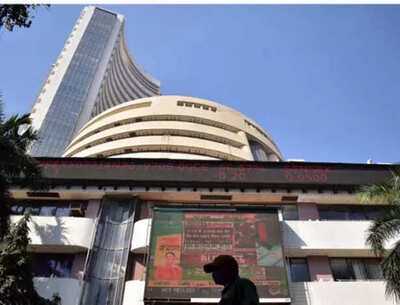
Investing is often treated as optional, something to do once everything else is handled. In reality, everything else is never fully handled.
Household finance data shows that people who invest consistently usually do so by treating investing as a fixed habit, not leftover money. They decide first, then adjust spending around it.
Wealth is rarely built by waiting for comfort. It is built by starting amid imperfection.
7. The system cannot be trusted Mistrust in financial systems is not irrational. Past scams, mis selling, and poor advice have left deep impressions.
SEBI surveys acknowledge trust deficit as a key barrier to participation. People prefer assets they can see or physically hold because they feel controllable.
What often goes unexplored is how regulation, disclosures, investor protection mechanisms, and transparency have evolved. Staying away entirely protects against bad actors, but it also prevents learning how safeguards work.
Caution is necessary. Total disengagement usually is not.
8. Everyone else seems ahead, I feel late This belief rarely gets spoken aloud. People see confident investors online and assume they missed the right starting point.
Social comparison creates paralysis. No one wants to ask basic questions or admit uncertainty.
In reality, most investors begin without confidence. They gain it slowly by participating, observing, and learning. Feeling late is common, but it is not a permanent disadvantage.
The market does not punish late starters. It punishes those who never start.
The stock market feels intimidating not because it is inaccessible, but because myths shape how people perceive risk and responsibility. These myths feel logical from a day to day point of view. That is why they persist.
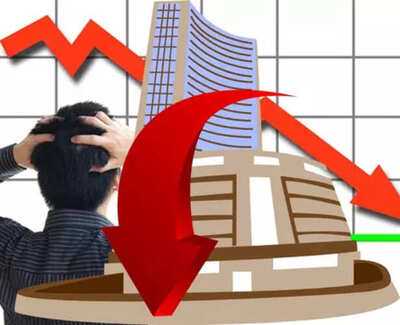
Mumbai, Dec 14 (IANS) Bajaj Finance emerged as the biggest loser among India’s most valued companies last week, as its market capitalisation fell sharply by Rs 19,289.7 crore amid a largely bearish trend in the stock market.
This belief is rooted in how investing was historically positioned. Equity participation was once associated with brokers, business families, and large capital. That image has stayed even as access has changed.Market data from Indian exchanges shows that retail investor accounts have grown rapidly over the past few years, largely driven by first time investors contributing small, regular amounts. The average ticket size of many retail investments remains modest.
The psychological barrier is not money. It is the belief that effort must immediately show results to be worthwhile. Small investments feel insignificant because compounding works quietly at first.
What people miss is that wealth creation in equities depends far more on consistency and time than on starting capital. Delaying entry because the amount feels small often costs more than starting early with less.
2. Investing means losing money at some point Fear of loss dominates financial decision making. Behavioural finance research consistently shows that people experience losses more intensely than gains of the same size.
In the Indian context, this fear is reinforced by visible events like market crashes, corrections, and negative headlines. What is rarely highlighted is that over long periods, equity markets have historically delivered positive real returns despite multiple downturns.
The mistake many people make is treating volatility as failure. Short term fluctuations are seen as mistakes rather than normal market behaviour. As a result, staying away from equities feels safer, even though long term purchasing power may erode due to inflation.
Avoiding the market does not remove risk. It simply replaces visible risk with slow, invisible loss of value.
3. You need deep financial knowledge to invest
Mumbai, Dec 11 (IANS) Indian stock markets bounced back on Thursday, ending a three-day losing streak, after the US Federal Reserve announced a 25-basis-point interest rate cut.
Stock market language can feel overwhelming. Ratios, charts, company results, and constant news updates create the impression that investing is reserved for experts.SEBI investor awareness surveys repeatedly show that perceived complexity is a major deterrent for new investors. Many people believe they must understand everything before they begin.
In practice, most investors do not start with full clarity. They learn gradually through experience. Waiting for complete understanding often results in permanent delay.
Investing is not a test you pass before entering. It is a skill developed over time. The market rewards discipline and patience more than technical brilliance.
4. The stock market is no different from gambling This myth is reinforced by visible behaviour. Short term trading, tip based decisions, and social media driven speculation dominate public perception.
Regulatory data shows that a large majority of individual traders lose money in high risk segments like derivatives. These losses are real and widespread.
But trading and investing serve different purposes. Trading focuses on short term price movements. Investing focuses on long term business growth and ownership.
Because speculative losses are louder and more visible, they shape the reputation of the entire market. Long term investing, which is slower and quieter, rarely gets attention.
Avoiding speculation does not require avoiding equities altogether. It requires understanding the difference between chasing outcomes and building ownership.
5. There will be a better time to start later Many people plan to invest once certain conditions are met. A higher salary. Fewer responsibilities. A stable market. More confidence.
Investor surveys show that intention to invest in the future is common. Actual participation is much lower.
The problem is that life rarely becomes simpler. Expenses rise with income. Markets never become perfectly calm. Waiting delays exposure to compounding, which is driven by time, not timing.
Starting later often means investing larger amounts to compensate for lost years. That pressure itself increases fear and hesitation.
6. Daily life expenses come first, investing can wait
Mumbai, Dec 15 (IANS) Indian stock markets opened on a weak note on Monday as a subdued global market mood affected investor sentiment.
For most households, money decisions are shaped by immediacy. Rent, EMIs, education, healthcare, and family obligations take priority.Investing is often treated as optional, something to do once everything else is handled. In reality, everything else is never fully handled.
Household finance data shows that people who invest consistently usually do so by treating investing as a fixed habit, not leftover money. They decide first, then adjust spending around it.
Wealth is rarely built by waiting for comfort. It is built by starting amid imperfection.
7. The system cannot be trusted Mistrust in financial systems is not irrational. Past scams, mis selling, and poor advice have left deep impressions.
SEBI surveys acknowledge trust deficit as a key barrier to participation. People prefer assets they can see or physically hold because they feel controllable.
What often goes unexplored is how regulation, disclosures, investor protection mechanisms, and transparency have evolved. Staying away entirely protects against bad actors, but it also prevents learning how safeguards work.
Caution is necessary. Total disengagement usually is not.
8. Everyone else seems ahead, I feel late This belief rarely gets spoken aloud. People see confident investors online and assume they missed the right starting point.
Social comparison creates paralysis. No one wants to ask basic questions or admit uncertainty.
In reality, most investors begin without confidence. They gain it slowly by participating, observing, and learning. Feeling late is common, but it is not a permanent disadvantage.
The market does not punish late starters. It punishes those who never start.
Next Story