
Acidity Alert: 8 Foods You Should Avoid for Better Digestion

Acidity is a common digestive issue triggered by poor food choices and irregular eating habits. While occasional heartburn is manageable, frequent acidity can disrupt daily life. Avoiding certain foods can go a long way in keeping your digestive system calm and balanced.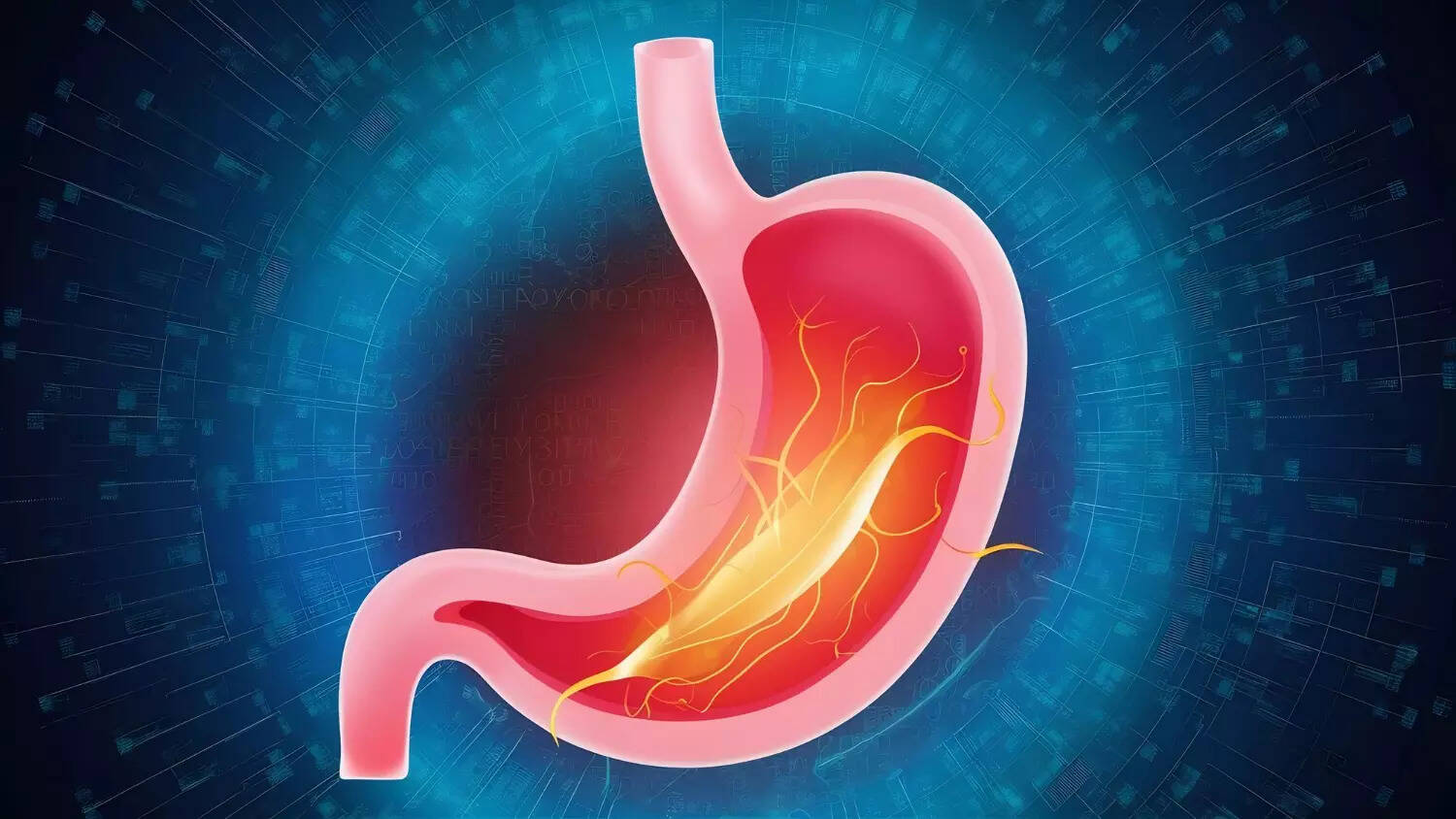
1. Spicy Foods: Chillies and heavy spices may excite your taste buds, but they irritate the stomach lining. Excess spice increases acid production, often leading to heartburn, bloating, and discomfort, especially when eaten on an empty stomach.
2. Tomatoes: Tomatoes are naturally acidic. Whether raw, in sauces, or as ketchup, they can trigger acid reflux by increasing stomach acid levels, making them a common culprit behind frequent acidity episodes.
3. Junk Food: Fried snacks, burgers, and chips are high in unhealthy fats that slow digestion. This puts pressure on the stomach, causing acid to flow back into the food pipe and resulting in that burning sensation.
4. Carbonated Drinks: Sodas and fizzy beverages release carbon dioxide, increasing pressure inside the stomach. This often leads to bloating and acid reflux, making acidity worse rather than quenching thirst.
5. Caffeinated Beverages: Coffee, strong tea, and energy drinks stimulate acid secretion. Excess caffeine can relax the lower esophageal sphincter, allowing acid to escape into the throat and cause heartburn.
6. Chocolate: Chocolate contains caffeine and compounds that relax the food pipe muscles. This combination makes it easier for acid to travel upward, triggering acidity and chest discomfort.
7. Dairy Products: Full-fat milk, cheese, and cream can be hard to digest for many people. Their fat content can delay stomach emptying, increasing the chances of acid reflux and indigestion.
8. Non-Vegetarian Food: Red meat and oily non-vegetarian dishes take longer to digest. This prolonged digestion can boost acid production, making acidity more frequent, especially when consumed at night.
Managing acidity starts with mindful eating. Limiting these trigger foods and choosing lighter, balanced meals can help improve digestion, reduce discomfort, and keep acidity at bay naturally.
1. Spicy Foods: Chillies and heavy spices may excite your taste buds, but they irritate the stomach lining. Excess spice increases acid production, often leading to heartburn, bloating, and discomfort, especially when eaten on an empty stomach.
2. Tomatoes: Tomatoes are naturally acidic. Whether raw, in sauces, or as ketchup, they can trigger acid reflux by increasing stomach acid levels, making them a common culprit behind frequent acidity episodes.
3. Junk Food: Fried snacks, burgers, and chips are high in unhealthy fats that slow digestion. This puts pressure on the stomach, causing acid to flow back into the food pipe and resulting in that burning sensation.
4. Carbonated Drinks: Sodas and fizzy beverages release carbon dioxide, increasing pressure inside the stomach. This often leads to bloating and acid reflux, making acidity worse rather than quenching thirst.
You may also like
- No IIT, NIT: Techie from tier 3 college who grew up poor, reveals how landed Rs 1 crore+ LPA job and retired at 34
- BMC polls: BJP's winning candidate Shilpa Keluskar thanks voters for their trust
- Wanted liquor smuggler with bounty of Rs 50,000 arrested in Rajasthan's Sanchore
- Maharashtra civic polls: BJP, allies lead in Mumbai, Pune and Nagpur
- National Startup awardees hail mushrooming of start-ups and enabling environment for their growth
5. Caffeinated Beverages: Coffee, strong tea, and energy drinks stimulate acid secretion. Excess caffeine can relax the lower esophageal sphincter, allowing acid to escape into the throat and cause heartburn.
6. Chocolate: Chocolate contains caffeine and compounds that relax the food pipe muscles. This combination makes it easier for acid to travel upward, triggering acidity and chest discomfort.
7. Dairy Products: Full-fat milk, cheese, and cream can be hard to digest for many people. Their fat content can delay stomach emptying, increasing the chances of acid reflux and indigestion.
8. Non-Vegetarian Food: Red meat and oily non-vegetarian dishes take longer to digest. This prolonged digestion can boost acid production, making acidity more frequent, especially when consumed at night.
Managing acidity starts with mindful eating. Limiting these trigger foods and choosing lighter, balanced meals can help improve digestion, reduce discomfort, and keep acidity at bay naturally.






More from our partners


Loving Newspoint? Download the app now
