
Aircraft Boneyards Explained: Why Planes Are Kept in Deserts

Across some of the world’s driest landscapes, you can find long rows of aircraft parked in perfect lines, stretching as far as the eye can see. These planes are not abandoned or forgotten. Instead, they are part of a carefully managed system that plays a vital role in the aviation industry.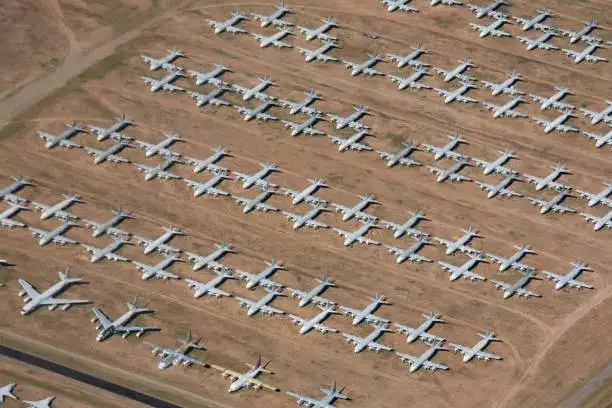
These locations are known as aircraft boneyards, where planes that are no longer in active service are stored, maintained, and often repurposed. Far from being simple dumping grounds, they function as organised hubs for preservation, spare parts, and recycling.
What Are Aircraft Boneyards
Aircraft boneyards are large facilities where retired or temporarily grounded planes are kept. They can house everything from commercial passenger jets to cargo aircraft and military planes.
Rather than scrapping aircraft immediately, airlines and defence agencies store them here for potential future use, resale, or dismantling.
Some of the largest boneyards in the world hold thousands of aircraft, making them an important backup system for the aviation sector.
Why Deserts Are the Perfect Location
Deserts offer ideal conditions for storing aircraft. The dry climate and low humidity help prevent rust and corrosion, which can damage metal structures over time.
The ground in many desert regions is also naturally hard, allowing heavy planes to be parked without the need for paved runways or additional infrastructure.
Because rainfall is minimal, maintenance requirements are lower, allowing aircraft to remain in stable condition for years.
What Happens When Aircraft Arrive
When a plane is brought to a boneyard, it is carefully prepared for storage. All fuel and fluids are drained to ensure safety. Engines, windows, and other openings are sealed to protect against dust, heat, and moisture.
Protective coatings are often applied to reflect sunlight and reduce damage caused by high temperatures.
The aircraft are then arranged in organised rows and monitored regularly. In some cases, basic maintenance checks are carried out to keep them in working condition if they are needed again.
Reusing Valuable Parts
One of the key functions of aircraft boneyards is the recovery of useful components. Parts such as engines, avionics, and landing gear are removed and reused in other planes.
This process helps airlines save significant costs, as refurbished parts are much more affordable than new ones.
It also supports sustainability by reducing waste and extending the life of valuable equipment.
Recycling and Unexpected Comebacks
When an aircraft reaches the end of its life, it is dismantled and recycled. Materials like aluminium and titanium are repurposed for use in other industries, making the process environmentally beneficial.
Interestingly, not all planes stay retired forever. Some aircraft are restored and returned to service during periods of high demand or emergencies, showing that these storage sites also act as a reserve fleet.
More Than Just Storage
Aircraft boneyards may appear quiet and still, but they are active centres of planning and resource management. They help airlines stay flexible, reduce costs, and make better use of existing resources.
In the end, these desert sites are not about abandonment but about efficiency and reuse. Each aircraft parked there still holds value, waiting for the next chapter in its journey.
These locations are known as aircraft boneyards, where planes that are no longer in active service are stored, maintained, and often repurposed. Far from being simple dumping grounds, they function as organised hubs for preservation, spare parts, and recycling.
What Are Aircraft Boneyards
Aircraft boneyards are large facilities where retired or temporarily grounded planes are kept. They can house everything from commercial passenger jets to cargo aircraft and military planes. Rather than scrapping aircraft immediately, airlines and defence agencies store them here for potential future use, resale, or dismantling.
Some of the largest boneyards in the world hold thousands of aircraft, making them an important backup system for the aviation sector.
Why Deserts Are the Perfect Location
Deserts offer ideal conditions for storing aircraft. The dry climate and low humidity help prevent rust and corrosion, which can damage metal structures over time.The ground in many desert regions is also naturally hard, allowing heavy planes to be parked without the need for paved runways or additional infrastructure.
Because rainfall is minimal, maintenance requirements are lower, allowing aircraft to remain in stable condition for years.
What Happens When Aircraft Arrive
When a plane is brought to a boneyard, it is carefully prepared for storage. All fuel and fluids are drained to ensure safety. Engines, windows, and other openings are sealed to protect against dust, heat, and moisture. Protective coatings are often applied to reflect sunlight and reduce damage caused by high temperatures.
The aircraft are then arranged in organised rows and monitored regularly. In some cases, basic maintenance checks are carried out to keep them in working condition if they are needed again.
Reusing Valuable Parts
One of the key functions of aircraft boneyards is the recovery of useful components. Parts such as engines, avionics, and landing gear are removed and reused in other planes. This process helps airlines save significant costs, as refurbished parts are much more affordable than new ones.
It also supports sustainability by reducing waste and extending the life of valuable equipment.
Recycling and Unexpected Comebacks
When an aircraft reaches the end of its life, it is dismantled and recycled. Materials like aluminium and titanium are repurposed for use in other industries, making the process environmentally beneficial. Interestingly, not all planes stay retired forever. Some aircraft are restored and returned to service during periods of high demand or emergencies, showing that these storage sites also act as a reserve fleet.
More Than Just Storage
Aircraft boneyards may appear quiet and still, but they are active centres of planning and resource management. They help airlines stay flexible, reduce costs, and make better use of existing resources.In the end, these desert sites are not about abandonment but about efficiency and reuse. Each aircraft parked there still holds value, waiting for the next chapter in its journey.
Next Story