
How Time Was Measured in Ancient Times Without Modern Clocks

Have you ever wondered how people managed their day before watches, phones, or even wall clocks existed? Today, we check time almost without thinking. A quick glance at our phone tells us everything. But thousands of years ago, there was no digital display, no ticking hands, and definitely no alarms to wake you up.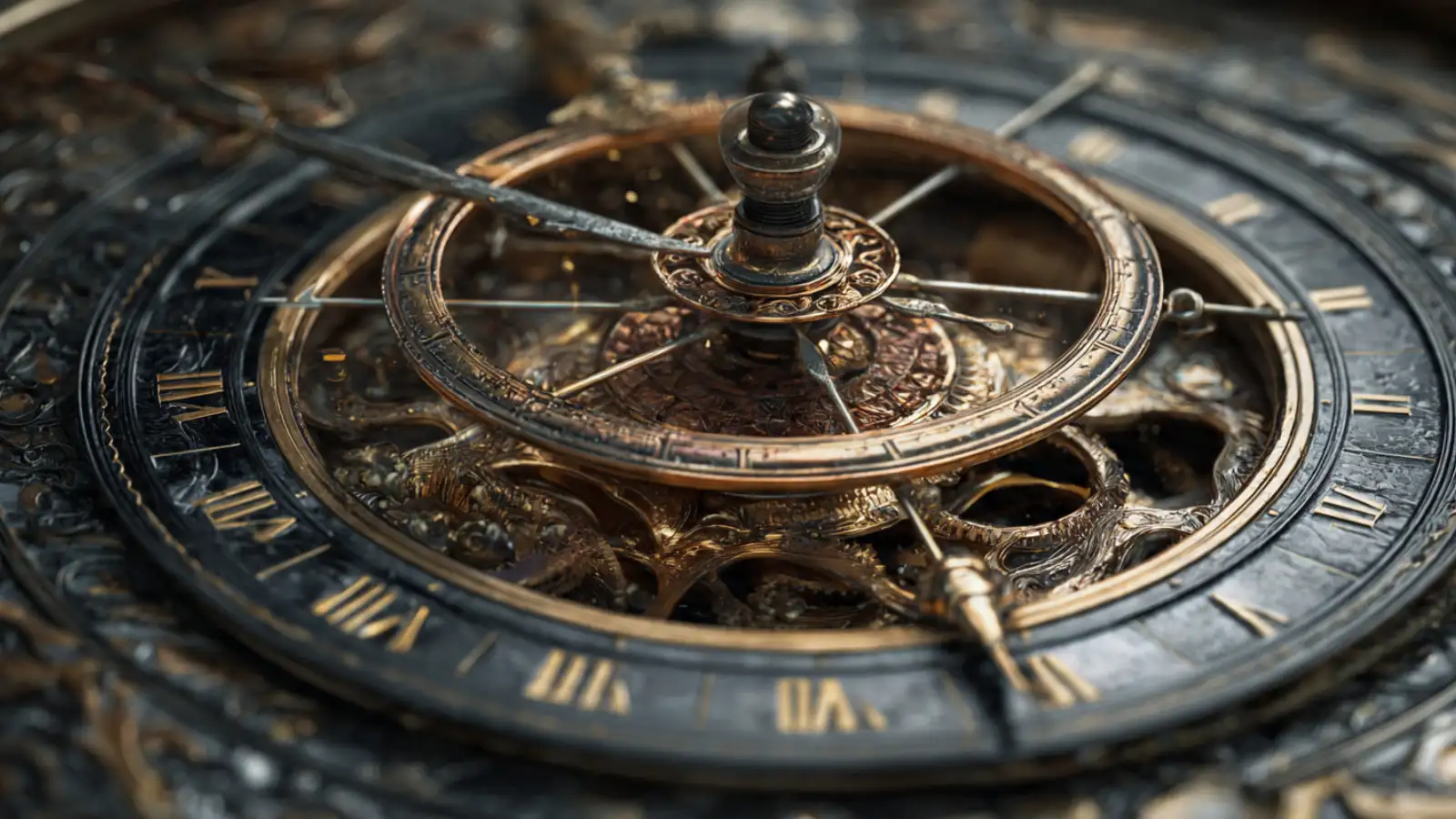
Still, life moved on. People worked, traveled, ate, and slept on some kind of schedule. So how did they do it?
The truth is, humans have always been deeply connected to their surroundings. Long before modern technology, people relied on nature, observation, and simple tools to understand the passage of time. It was not precise like today, but it was meaningful and deeply tied to life itself.
Let’s take a journey back and explore how time was measured before clocks became part of everyday life.
People noticed patterns. The sun rose and set every day. The sky changed colors. The temperature shifted. Over time, these natural cycles became the foundation for tracking time.
Morning began when the sky started to brighten. Midday was when the sun stood high above. Evening arrived as darkness slowly took over. Night was marked by the appearance of stars.
Animals also played a role in this natural timing system. The crowing of a rooster often signaled the start of the day. Birds became active at sunrise, while creatures like owls and bats took over at night. Even the behavior of cows, dogs, and horses helped people understand different times of the day.
Life followed these rhythms. There was no need for exact minutes or seconds. People moved with the flow of nature.
As the sun moves across the sky, it creates changing shadows. People noticed that these shadows shifted in direction and length throughout the day. By simply watching where the sun was, they could roughly tell the time.
Morning shadows were long and stretched in one direction. As the sun climbed higher, shadows became shorter. By midday, shadows were at their shortest. Later in the day, they grew longer again but in the opposite direction.
This simple observation became a powerful tool. Farmers, travelers, and workers all used the sun to plan their activities.
One of the earliest innovations was the use of objects that cast shadows in a controlled way. By placing a stick or a vertical object in the ground and marking the shadow at different points, people could divide the day into parts.
This was not about exact timing. It was more about creating a shared understanding of when things should happen. For example, certain tasks could begin when the shadow reached a specific point.
This idea eventually led to more structured systems of timekeeping, but even in its simplest form, it was a big step forward.
Nature alone was not always enough. People needed ways to measure time even when the sun was not visible.
That is where flowing materials like water and sand came into use.
Water-based systems worked by allowing water to drip slowly from one container to another. The rate of flow gave a sense of how much time had passed. Similarly, sand flowing through a narrow opening could mark a duration.
These methods were especially useful indoors or during the night. While they were not perfectly accurate, they provided a consistent way to measure shorter periods.
Imagine waiting for something while watching sand fall steadily. It gave people a tangible sense of time passing.
Life was structured around routines rather than exact hours. People woke up at sunrise, worked during daylight, and rested after sunset. Meals, work, and social activities all followed a natural order.
For example, a farmer did not need a clock to know when to start working. The rising sun and the behavior of animals like cows or chickens were enough signals. Similarly, the quietness of the night told people it was time to rest.
This routine-based system made life simpler. Time was not something you checked constantly. It was something you experienced.
The moon and stars helped people track longer periods of time. The changing phases of the moon became a natural calendar. People could tell how many days had passed based on whether the moon was full, half, or barely visible.
Stars also played a role in navigation and seasonal understanding. Travelers and sailors relied on star patterns to guide them. Over time, certain star positions became linked to specific times of the year.
This connection between the sky and time made people more aware of the larger cycles of life.
People paid close attention to changes in weather, plant growth, and animal behavior. The arrival of certain birds, the blooming of flowers, or the migration of animals like elephants or deer signaled changes in seasons.
These seasonal markers were crucial for survival. Farming, hunting, and festivals were all planned based on these natural signs.
In a way, time was deeply tied to survival and community life.
Today, time often feels rushed. We are always checking the clock, trying to stay on schedule, and worrying about being late.
Back then, time was more fluid. It was not broken into strict units. Instead, it flowed naturally with life.
People were less focused on exact timing and more focused on completing tasks and living in the moment. There was a sense of balance between humans and nature.
Still, life moved on. People worked, traveled, ate, and slept on some kind of schedule. So how did they do it?
The truth is, humans have always been deeply connected to their surroundings. Long before modern technology, people relied on nature, observation, and simple tools to understand the passage of time. It was not precise like today, but it was meaningful and deeply tied to life itself.
Let’s take a journey back and explore how time was measured before clocks became part of everyday life.
Understanding Time Through Nature
Before anything else, nature was the first and most reliable timekeeper.People noticed patterns. The sun rose and set every day. The sky changed colors. The temperature shifted. Over time, these natural cycles became the foundation for tracking time.
Morning began when the sky started to brighten. Midday was when the sun stood high above. Evening arrived as darkness slowly took over. Night was marked by the appearance of stars.
Animals also played a role in this natural timing system. The crowing of a rooster often signaled the start of the day. Birds became active at sunrise, while creatures like owls and bats took over at night. Even the behavior of cows, dogs, and horses helped people understand different times of the day.
Life followed these rhythms. There was no need for exact minutes or seconds. People moved with the flow of nature.
The Sun as a Natural Clock
One of the earliest and most important ways to measure time was by observing the sun.As the sun moves across the sky, it creates changing shadows. People noticed that these shadows shifted in direction and length throughout the day. By simply watching where the sun was, they could roughly tell the time.
Morning shadows were long and stretched in one direction. As the sun climbed higher, shadows became shorter. By midday, shadows were at their shortest. Later in the day, they grew longer again but in the opposite direction.
This simple observation became a powerful tool. Farmers, travelers, and workers all used the sun to plan their activities.
The Birth of Early Timekeeping Tools
Over time, humans began creating tools to make time tracking more consistent.One of the earliest innovations was the use of objects that cast shadows in a controlled way. By placing a stick or a vertical object in the ground and marking the shadow at different points, people could divide the day into parts.
This was not about exact timing. It was more about creating a shared understanding of when things should happen. For example, certain tasks could begin when the shadow reached a specific point.
This idea eventually led to more structured systems of timekeeping, but even in its simplest form, it was a big step forward.
Water and Sand as Timekeepers
Nature alone was not always enough. People needed ways to measure time even when the sun was not visible. That is where flowing materials like water and sand came into use.
Water-based systems worked by allowing water to drip slowly from one container to another. The rate of flow gave a sense of how much time had passed. Similarly, sand flowing through a narrow opening could mark a duration.
These methods were especially useful indoors or during the night. While they were not perfectly accurate, they provided a consistent way to measure shorter periods.
Imagine waiting for something while watching sand fall steadily. It gave people a tangible sense of time passing.
Time Through Daily Routines
Another important way people measured time was through their daily activities.Life was structured around routines rather than exact hours. People woke up at sunrise, worked during daylight, and rested after sunset. Meals, work, and social activities all followed a natural order.
For example, a farmer did not need a clock to know when to start working. The rising sun and the behavior of animals like cows or chickens were enough signals. Similarly, the quietness of the night told people it was time to rest.
This routine-based system made life simpler. Time was not something you checked constantly. It was something you experienced.
The Role of the Moon and Stars
When the sun disappeared, the sky still had a lot to offer.The moon and stars helped people track longer periods of time. The changing phases of the moon became a natural calendar. People could tell how many days had passed based on whether the moon was full, half, or barely visible.
Stars also played a role in navigation and seasonal understanding. Travelers and sailors relied on star patterns to guide them. Over time, certain star positions became linked to specific times of the year.
You may also like
- Discover Your Personality Through Home Preferences: Beach, Hills, or City?
- Home decor, interior design experts reveal one colour you should never paint your walls
- From a bus conductor to a TOI Ecopreneur Award recipient: How M Yoganathan's small efforts created a big impact for the environment
- Effective Home Remedies for Treating Baltod
- Parents note: Simple childhood habit that builds smarter, happier kids
This connection between the sky and time made people more aware of the larger cycles of life.
Seasonal Changes as a Time Guide
Time was not just about days. It was also about seasons.People paid close attention to changes in weather, plant growth, and animal behavior. The arrival of certain birds, the blooming of flowers, or the migration of animals like elephants or deer signaled changes in seasons.
These seasonal markers were crucial for survival. Farming, hunting, and festivals were all planned based on these natural signs.
In a way, time was deeply tied to survival and community life.
Why Time Felt Different Back Then
One interesting thing to think about is how different time must have felt.Today, time often feels rushed. We are always checking the clock, trying to stay on schedule, and worrying about being late.
Back then, time was more fluid. It was not broken into strict units. Instead, it flowed naturally with life.
People were less focused on exact timing and more focused on completing tasks and living in the moment. There was a sense of balance between humans and nature.






More from our partners


Loving Newspoint? Download the app now
