
Aquarium Cleaning Routines You Can Follow Monthly to Keep Your Fish Healthy and Your Tank Crystal Clear

Owning an aquarium is one of the most rewarding hobbies a person can take up. The gentle movement of fish, the lush green of aquatic plants, and the calming sound of flowing water can turn any room into a place of tranquillity. But behind that serene surface lies a delicate ecosystem that requires consistent care. Without a proper monthly aquarium cleaning routine , water quality deteriorates, harmful bacteria multiply, and fish health declines rapidly. The good news is that maintaining a clean, healthy tank doesn't have to be overwhelming — with the right routine in place, it becomes second nature.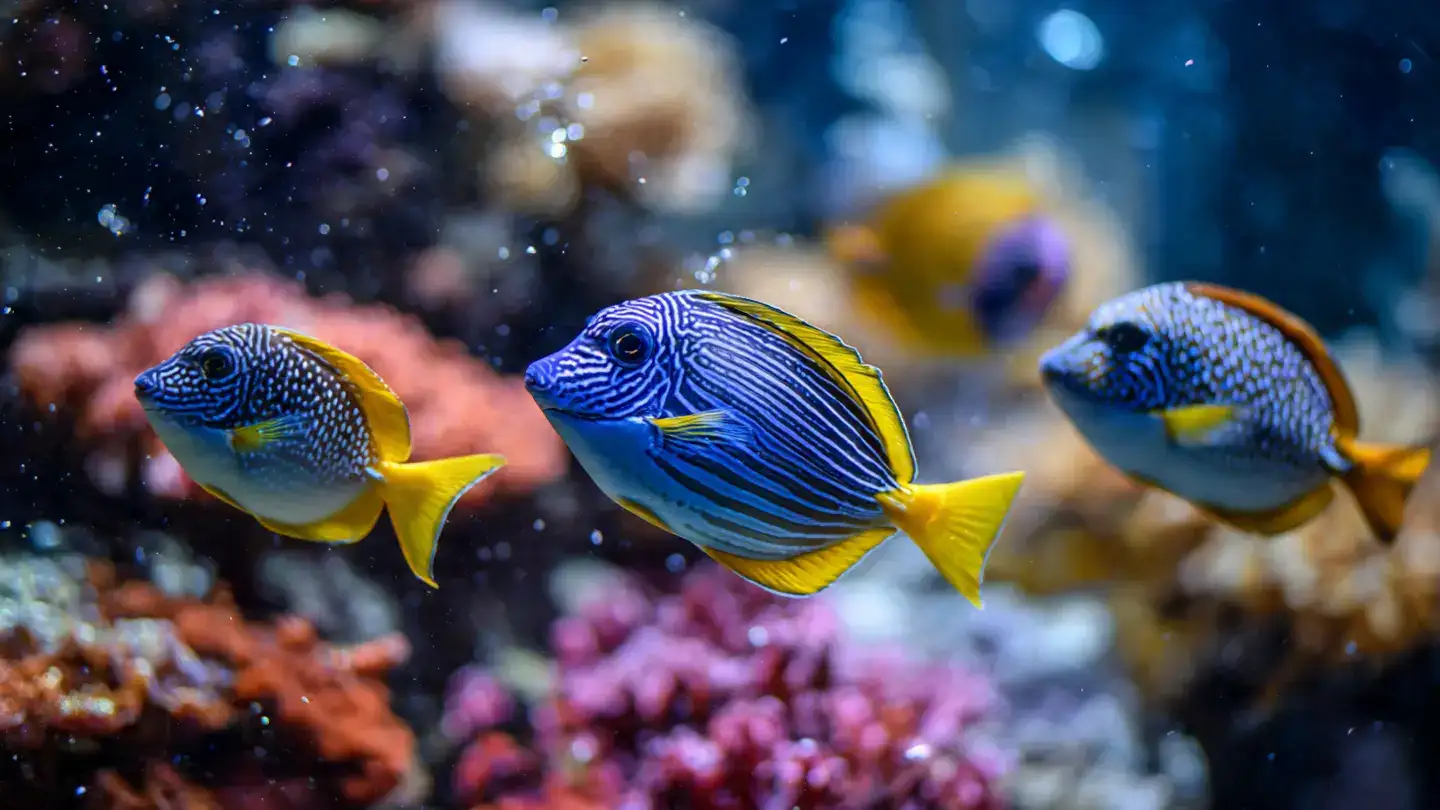
A consistent monthly aquarium cleaning routine prevents these buildups from reaching dangerous levels. It also gives you the opportunity to spot early warning signs — unusual algae growth, equipment malfunctions, or changes in fish behaviour — before they escalate into serious problems.
Aim to replace between 25 and 30 per cent of the tank's total water volume. Removing too much water at once can shock your fish by disrupting the established water chemistry. Use a gravel siphon during the water change to simultaneously vacuum the substrate, drawing out waste, uneaten food, and decomposing organic matter that settles on the bottom of the tank.
Always treat new water with a dechlorinator before adding it to the tank. Tap water contains chlorine and chloramine, both of which are harmful to fish and beneficial bacteria alike. Match the temperature of the new water as closely as possible to that of the tank — a sudden temperature drop can stress even hardy species.
When it comes to decorations, rocks, driftwood, and artificial plants can accumulate a coating of algae and biofilm over time. Remove them one at a time and scrub gently with a clean brush under warm water. Never use soap or household cleaning products — even trace residues can be lethal to fish.
As part of your aquarium maintenance tips , rinse filter media — sponges, ceramic rings, and biological media — gently in a bucket of used tank water, not tap water. This removes excess waste whilst preserving the beneficial bacteria. Replace carbon filter cartridges as per the manufacturer's guidance, typically every three to four weeks.
Check that the filter's flow rate is consistent. A sluggish output often indicates a blockage that needs addressing before it compromises water circulation.
Ammonia and nitrite should always read zero in a healthy, cycled tank. Nitrates can be tolerated at low levels but should ideally remain below 20 parts per million for most freshwater fish. If your readings are consistently off, it may indicate overfeeding, overstocking, or an underpowered filter.
Keep a simple log of your monthly readings. Patterns become visible over time, helping you make informed adjustments to feeding schedules, stocking levels, or filtration.
Inspect airline tubing, air stones, and pump connections for wear or blockages. Check lighting units for any signs of moisture ingress, particularly in older tank setups. LED lights are generally more reliable and energy-efficient than fluorescent alternatives, and replacing ageing bulbs promptly maintains both the aesthetics and the health of any live plants in the tank.
Prune fast-growing stem plants to prevent them from blocking light to lower-level species. Remove any detached leaves from the substrate before they decompose. Healthy, well-maintained plants actually support water quality by absorbing nitrates and producing oxygen — making them a worthy addition to any aquarium.
Over time, a well-maintained tank becomes increasingly stable and easier to manage. The beneficial bacteria colony grows more robust, algae becomes easier to control, and your fish become visibly healthier and more active. What begins as a checklist gradually becomes a satisfying ritual — one that rewards both you and the living community you've created.
Image Courtesy: Meta AI
Why a Monthly Cleaning Routine Matters
Many fish keepers make the mistake of cleaning their tank only when it looks visibly dirty. By that point, the damage is often already done. Ammonia, nitrites, and nitrates accumulate steadily over time, even in tanks that appear clean. These invisible toxins are among the leading causes of fish illness and death in home aquariums.A consistent monthly aquarium cleaning routine prevents these buildups from reaching dangerous levels. It also gives you the opportunity to spot early warning signs — unusual algae growth, equipment malfunctions, or changes in fish behaviour — before they escalate into serious problems.
Week One: The Water Change
The cornerstone of any fish tank water change schedule is the partial water change, and for most tanks, doing this at the start of each month is an excellent habit to establish.Aim to replace between 25 and 30 per cent of the tank's total water volume. Removing too much water at once can shock your fish by disrupting the established water chemistry. Use a gravel siphon during the water change to simultaneously vacuum the substrate, drawing out waste, uneaten food, and decomposing organic matter that settles on the bottom of the tank.
Always treat new water with a dechlorinator before adding it to the tank. Tap water contains chlorine and chloramine, both of which are harmful to fish and beneficial bacteria alike. Match the temperature of the new water as closely as possible to that of the tank — a sudden temperature drop can stress even hardy species.
Cleaning the Glass and Décor
Algae growth on the glass is one of the most visible signs that a tank needs attention. Use an algae scraper or magnetic glass cleaner to wipe down the interior panes. Work from top to bottom so that any dislodged algae sinks to the substrate, where it can be vacuumed up rather than clouding the water.When it comes to decorations, rocks, driftwood, and artificial plants can accumulate a coating of algae and biofilm over time. Remove them one at a time and scrub gently with a clean brush under warm water. Never use soap or household cleaning products — even trace residues can be lethal to fish.
Filter Maintenance: Handle With Care
The filter is the engine of your aquarium, and it is also one of the most misunderstood components when it comes to cleaning. Many new fish keepers make the costly mistake of thoroughly cleaning their filter media, effectively wiping out the beneficial bacterial colony that keeps the nitrogen cycle running.As part of your aquarium maintenance tips , rinse filter media — sponges, ceramic rings, and biological media — gently in a bucket of used tank water, not tap water. This removes excess waste whilst preserving the beneficial bacteria. Replace carbon filter cartridges as per the manufacturer's guidance, typically every three to four weeks.
Check that the filter's flow rate is consistent. A sluggish output often indicates a blockage that needs addressing before it compromises water circulation.
Testing the Water Parameters
Cleaning is only half the equation — keeping aquarium water clean also means understanding what's in it. Invest in a reliable liquid test kit and check your water parameters monthly at minimum. The key values to monitor are ammonia, nitrite, nitrate, pH, and water hardness.Ammonia and nitrite should always read zero in a healthy, cycled tank. Nitrates can be tolerated at low levels but should ideally remain below 20 parts per million for most freshwater fish. If your readings are consistently off, it may indicate overfeeding, overstocking, or an underpowered filter.
Keep a simple log of your monthly readings. Patterns become visible over time, helping you make informed adjustments to feeding schedules, stocking levels, or filtration.
Checking Equipment and Lighting
Your monthly routine is the perfect opportunity to inspect all equipment. Check the heater to ensure it is maintaining a stable temperature. A faulty heater that overheats or underperforms is one of the more common — and preventable — causes of fish loss.Inspect airline tubing, air stones, and pump connections for wear or blockages. Check lighting units for any signs of moisture ingress, particularly in older tank setups. LED lights are generally more reliable and energy-efficient than fluorescent alternatives, and replacing ageing bulbs promptly maintains both the aesthetics and the health of any live plants in the tank.
Managing Live Plants as Part of How to Clean a Fish Tank
If your aquarium contains live plants, monthly maintenance should include trimming any dead or yellowing leaves. Decaying plant matter releases ammonia into the water, undermining the very water quality you're working to protect.Prune fast-growing stem plants to prevent them from blocking light to lower-level species. Remove any detached leaves from the substrate before they decompose. Healthy, well-maintained plants actually support water quality by absorbing nitrates and producing oxygen — making them a worthy addition to any aquarium.
Building Consistency for Long-Term Success
The secret to a thriving aquarium is not any single cleaning task — it is the consistency with which those tasks are performed. Setting a regular date each month, perhaps the first weekend, makes it easier to stick to the routine without letting maintenance slide.Over time, a well-maintained tank becomes increasingly stable and easier to manage. The beneficial bacteria colony grows more robust, algae becomes easier to control, and your fish become visibly healthier and more active. What begins as a checklist gradually becomes a satisfying ritual — one that rewards both you and the living community you've created.
Image Courtesy: Meta AI
Next Story