
Are we watching the villain arc of anime production as AI enters the game?


AI has officially entered the anime chat. And no, this isn’t just some tech bro prediction, it’s already happening.
Studios in Japan are experimenting with AI tools to help with animation tasks like colouring, in-betweening, background art, and even storyboarding. Big names are openly talking about it. Toei Animation (yes, the studio behind One Piece and Dragon Ball) has mentioned plans to integrate AI into parts of its workflow. Netflix Japan previously released a short film, The Dog & The Boy, that used AI-generated backgrounds, and the internet definitely had opinions about it.
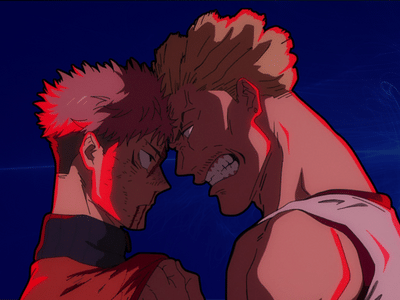
So the question isn’t “Will AI come to anime?” It already has. The real question is: Will AI ruin anime?
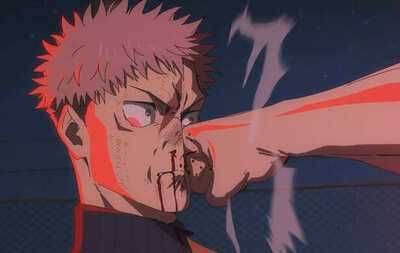 Netflix | Animators are overworked. Entry-level artists are underpaid
Why Studios Are Even Considering AILet’s be real, the anime industry has been struggling for years.
Animators are overworked. Entry-level artists are underpaid. Deadlines are brutal. The demand for anime globally is exploding, but the working conditions behind the scenes? Not it. AI is being pitched as a solution to this chaos.
Studios argue that AI can
On paper? That sounds kind of valid. But here’s where things get complicated.
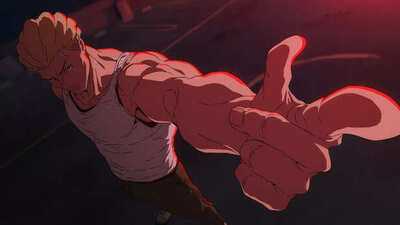 Netflix | The fear isnt that AI will make everything instantly bad. Its that over time, things could start looking probably generic
The Quality Fear Is Very RealAs an anime fan, this is where my anxiety kicks in.
Anime isn’t just content. It’s craft. It’s emotion. It’s those tiny hand-drawn details in a character’s expression. It’s the messy, imperfect line work that somehow makes everything feel more alive. AI can replicate a style. But can it replicate intention?
There’s a huge difference between: A human artist deciding how a scene should feel and an algorithm predicting what looks “correct”
The fear isn’t that AI will make everything instantly bad. It’s that over time, things could start looking probably generic. Polished but soulless. Efficient but emotionally flat. And if you’ve been an anime fan long enough, you know that soul matters.
What About The Artists?Another major concern is job displacement. Entry-level roles like in-between animation and coloring are often how artists break into the industry. If AI automates those positions, where do new animators start? How do they grow into lead artists or directors?
If studios cut costs using AI instead of improving pay and working conditions, that’s not innovation, that’s replacing labor.
There’s also the copyright issue. AI models are trained on massive amounts of existing art. Many artists worry their work could be scraped and used to train systems without consent or compensation. That’s an ethical grey zone that hasn’t been fully resolved.
And let’s be honest: artists already don’t get paid enough. The idea of their style being fed into a machine without credit? Yeah, that doesn’t sit right.
 Crunchyroll | AI models are trained on massive amounts of existing art.
Not Every Studio Is Going Full Robot ModeIt’s important to note: most production houses aren’t saying “Let’s replace animators with AI.” The general tone is more “Let’s use AI as a tool.”
Some companies are partnering with AI startups to build assistive technology. The goal (at least publicly) is to support artists, not eliminate them. There are also industry professionals calling for regulation to ensure AI doesn’t exploit creators. So this isn’t some dystopian takeover, at least not yet. It’s more like a fork in the road.
So, Will AI Ruin Anime?Honestly? It depends on how it’s used.
If AI becomes
But if AI becomes:
As a fan, the idea of anime losing its handcrafted magic is genuinely concerning. Some of the most iconic moments in anime history happened because a human animator poured emotion into a scene. That kind of passion isn’t programmable. Technology evolves. That’s inevitable.
But anime has always been more than just frames per second. It’s cultural storytelling. It’s artistic risk. It’s human expression. AI might become part of the process, but if it ever replaces the heart of it? That’s when we lose something irreplaceable.
For now, the industry is experimenting. Fans are watching. Artists are cautious. And the next arc of anime production is just beginning.
Are we ready for it? Maybe, maybe not.
Studios in Japan are experimenting with AI tools to help with animation tasks like colouring, in-betweening, background art, and even storyboarding. Big names are openly talking about it. Toei Animation (yes, the studio behind One Piece and Dragon Ball) has mentioned plans to integrate AI into parts of its workflow. Netflix Japan previously released a short film, The Dog & The Boy, that used AI-generated backgrounds, and the internet definitely had opinions about it.
So the question isn’t “Will AI come to anime?” It already has. The real question is: Will AI ruin anime?
Why Studios Are Even Considering AILet’s be real, the anime industry has been struggling for years.
Animators are overworked. Entry-level artists are underpaid. Deadlines are brutal. The demand for anime globally is exploding, but the working conditions behind the scenes? Not it. AI is being pitched as a solution to this chaos.
Studios argue that AI can
- Speed up repetitive tasks like coloring and clean-up.
- Help generate background art faster.
- Reduce production bottlenecks.
- Lower costs.
- Ease animator burnout.
On paper? That sounds kind of valid. But here’s where things get complicated.
The Quality Fear Is Very RealAs an anime fan, this is where my anxiety kicks in.
Anime isn’t just content. It’s craft. It’s emotion. It’s those tiny hand-drawn details in a character’s expression. It’s the messy, imperfect line work that somehow makes everything feel more alive. AI can replicate a style. But can it replicate intention?
There’s a huge difference between: A human artist deciding how a scene should feel and an algorithm predicting what looks “correct”
The fear isn’t that AI will make everything instantly bad. It’s that over time, things could start looking probably generic. Polished but soulless. Efficient but emotionally flat. And if you’ve been an anime fan long enough, you know that soul matters.
What About The Artists?Another major concern is job displacement. Entry-level roles like in-between animation and coloring are often how artists break into the industry. If AI automates those positions, where do new animators start? How do they grow into lead artists or directors?
If studios cut costs using AI instead of improving pay and working conditions, that’s not innovation, that’s replacing labor.
There’s also the copyright issue. AI models are trained on massive amounts of existing art. Many artists worry their work could be scraped and used to train systems without consent or compensation. That’s an ethical grey zone that hasn’t been fully resolved.
And let’s be honest: artists already don’t get paid enough. The idea of their style being fed into a machine without credit? Yeah, that doesn’t sit right.
Not Every Studio Is Going Full Robot ModeIt’s important to note: most production houses aren’t saying “Let’s replace animators with AI.” The general tone is more “Let’s use AI as a tool.”
Some companies are partnering with AI startups to build assistive technology. The goal (at least publicly) is to support artists, not eliminate them. There are also industry professionals calling for regulation to ensure AI doesn’t exploit creators. So this isn’t some dystopian takeover, at least not yet. It’s more like a fork in the road.
So, Will AI Ruin Anime?Honestly? It depends on how it’s used.
If AI becomes
- A support tool that reduces burnout
- A way to give artists more breathing room
- A system that’s ethically trained and regulated
But if AI becomes:
- A cost-cutting shortcut
- A replacement for entry-level artists
- A way to mass-produce visually similar content
As a fan, the idea of anime losing its handcrafted magic is genuinely concerning. Some of the most iconic moments in anime history happened because a human animator poured emotion into a scene. That kind of passion isn’t programmable. Technology evolves. That’s inevitable.
But anime has always been more than just frames per second. It’s cultural storytelling. It’s artistic risk. It’s human expression. AI might become part of the process, but if it ever replaces the heart of it? That’s when we lose something irreplaceable.
For now, the industry is experimenting. Fans are watching. Artists are cautious. And the next arc of anime production is just beginning.
Are we ready for it? Maybe, maybe not.
Next Story