Are You Addicted to Screens? Here’s How to Do a Digital Detox

In today’s digital world, screens are everywhere. From smartphones and tablets to laptops and TVs, we are constantly connected. But have you ever stopped to wonder if you might be addicted to screens? If you find yourself mindlessly scrolling through social media, checking your phone first thing in the morning, or feeling anxious without your device, you may need a digital detox .
Signs You Might Be Addicted to Screens
Before diving into solutions, it’s important to recognize the signs of screen addiction . Here are some common indicators: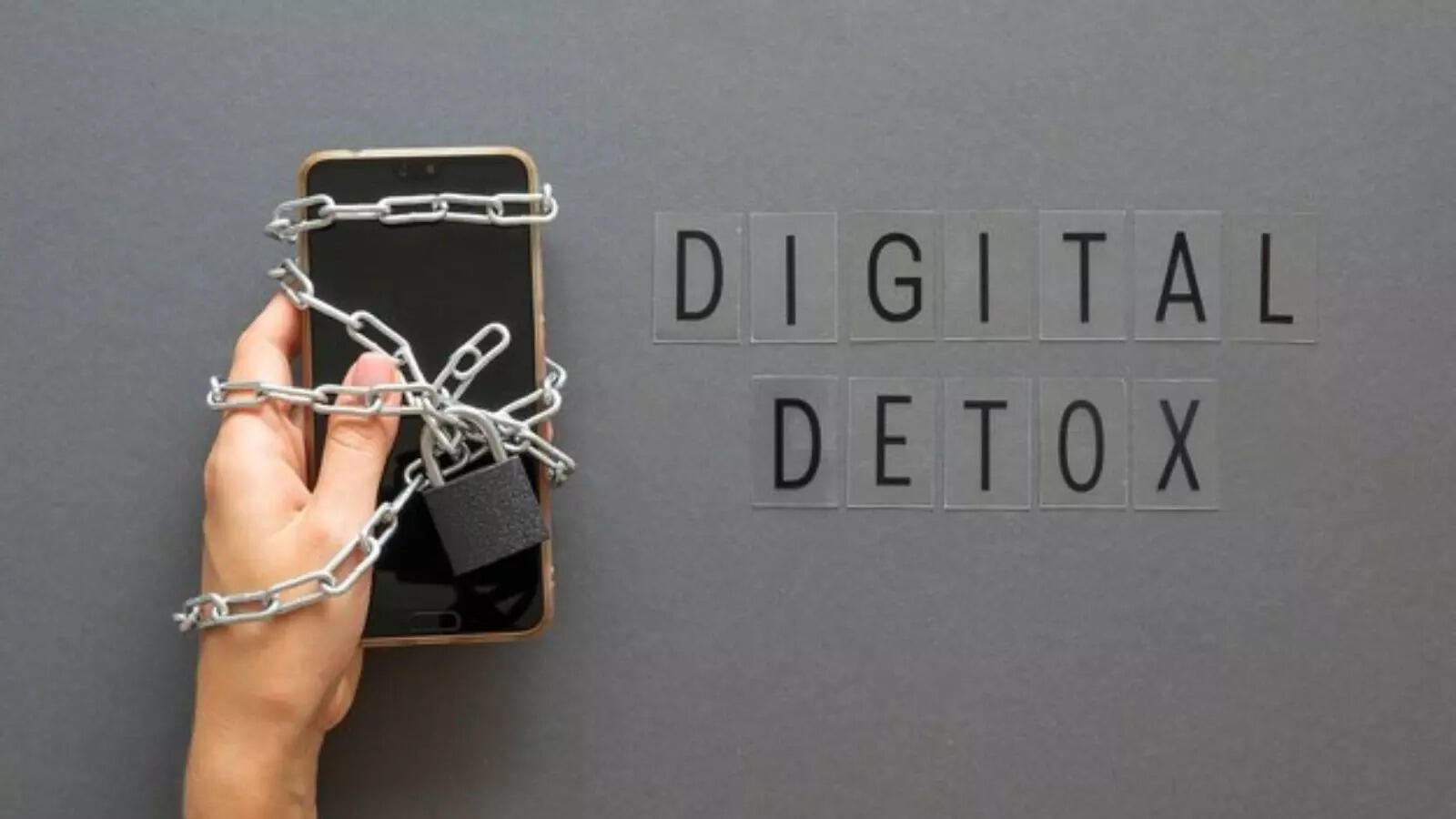
You check your phone constantly – Even when you don’t have notifications, you feel the urge to check your phone.
You feel anxious or restless without your device –
If you forget your phone at home, do you feel uncomfortable?
Your screen time keeps increasing – Your daily usage report shows that your screen time is rising instead of decreasing.
It affects your sleep – You stay up late watching videos, scrolling through social media, or working.
Your relationships suffer – You are physically present but mentally distracted when spending time with family or friends.
You procrastinate with screens –
Instead of being productive, you use your phone or computer to avoid work or responsibilities.
If these signs sound familiar, it might be time for a digital detox.
What Is a Digital Detox?
A digital detox is a break from screens to reset your relationship with technology. It helps you become more mindful of your screen usage, improve your mental well-being, and regain control over your time.
How to Do a Digital Detox
1. Set Clear Goals
Before you start, define what you want to achieve. Do you want to reduce your screen time by 50%? Avoid screens before bed? Be more present with your loved ones? Setting clear goals will help you stay focused.
2. Track Your Screen Time
Use apps like Screen Time (iOS) or Digital Wellbeing (Android) to monitor your usage. Seeing the numbers can be a wake-up call and motivate you to cut back.
3. Establish Screen-Free Zones
Designate certain areas in your home as screen-free, such as the bedroom or dining table. This helps create healthier boundaries with technology.
4. Set Time Limits
Use app timers to limit your social media or entertainment consumption. You can also use the “Do Not Disturb” mode to minimize distractions.
5. Take Breaks with the 20-20-20 Rule
To reduce eye strain, follow the 20-20-20 rule: every 20 minutes, look at something 20 feet away for at least 20 seconds.
6. Replace Screen Time with Other Activities
Find alternative activities that don’t involve screens, such as reading, exercising, meditating, journaling, or spending time outdoors.
7. Practice Mindful Technology Use
Before grabbing your phone, ask yourself: “Do I really need to check this right now?” Mindfulness can help reduce impulsive screen use.
8. Go on a Social Media Detox
Consider taking a break from social media for a day, a week, or even a month. Delete apps from your phone if needed. Many people report feeling happier and less stressed after a social media detox.
9. Set Up “No-Screen” Hours
Designate specific hours in the day where you avoid screens entirely. This can be in the morning after waking up or before bedtime.
10. Engage in Face-to-Face Interactions
Make an effort to connect with people in real life instead of always communicating through screens. Plan meetups, have phone-free dinners, and enjoy real conversations.
The Benefits of a Digital Detox
A successful digital detox can lead to:
Better sleep quality
Improved focus and productivity
Reduced stress and anxiety
Stronger relationships
More time for hobbies and self-care
Screens are an essential part of modern life, but too much screen time can negatively impact your health and well-being. A digital detox can help you regain balance, improve mindfulness, and reconnect with the real world. Try implementing these strategies and see how much better you feel!
Signs You Might Be Addicted to Screens
Before diving into solutions, it’s important to recognize the signs of screen addiction . Here are some common indicators:
You check your phone constantly – Even when you don’t have notifications, you feel the urge to check your phone.
You feel anxious or restless without your device –
If you forget your phone at home, do you feel uncomfortable?
Your screen time keeps increasing – Your daily usage report shows that your screen time is rising instead of decreasing.
It affects your sleep – You stay up late watching videos, scrolling through social media, or working.
Your relationships suffer – You are physically present but mentally distracted when spending time with family or friends.
You procrastinate with screens –
Instead of being productive, you use your phone or computer to avoid work or responsibilities.
If these signs sound familiar, it might be time for a digital detox.
What Is a Digital Detox?
A digital detox is a break from screens to reset your relationship with technology. It helps you become more mindful of your screen usage, improve your mental well-being, and regain control over your time.
How to Do a Digital Detox
1. Set Clear Goals
Before you start, define what you want to achieve. Do you want to reduce your screen time by 50%? Avoid screens before bed? Be more present with your loved ones? Setting clear goals will help you stay focused.
2. Track Your Screen Time
Use apps like Screen Time (iOS) or Digital Wellbeing (Android) to monitor your usage. Seeing the numbers can be a wake-up call and motivate you to cut back.
3. Establish Screen-Free Zones
Designate certain areas in your home as screen-free, such as the bedroom or dining table. This helps create healthier boundaries with technology.
4. Set Time Limits
Use app timers to limit your social media or entertainment consumption. You can also use the “Do Not Disturb” mode to minimize distractions.
5. Take Breaks with the 20-20-20 Rule
To reduce eye strain, follow the 20-20-20 rule: every 20 minutes, look at something 20 feet away for at least 20 seconds.
You may also like
 Vellappally's ride in CM Vijayan's car sparks political flurry in Kerala
- IPL Auction 2026: Shocker for Jake Fraser-McGurk as the Australian is first to go unsold
 Draft electoral roll for Puducherry published, claims and objections open till January 15
 Peak XV-Backed Turtlemint Gets SEBI Nod For IPO
- 'Close kitchen early': An engineer, who works more than 40 hours a week, shares 6 simple habits that helps him stay fit and lean
6. Replace Screen Time with Other Activities
Find alternative activities that don’t involve screens, such as reading, exercising, meditating, journaling, or spending time outdoors.
7. Practice Mindful Technology Use
Before grabbing your phone, ask yourself: “Do I really need to check this right now?” Mindfulness can help reduce impulsive screen use.
8. Go on a Social Media Detox
Consider taking a break from social media for a day, a week, or even a month. Delete apps from your phone if needed. Many people report feeling happier and less stressed after a social media detox.
9. Set Up “No-Screen” Hours
Designate specific hours in the day where you avoid screens entirely. This can be in the morning after waking up or before bedtime.
10. Engage in Face-to-Face Interactions
Make an effort to connect with people in real life instead of always communicating through screens. Plan meetups, have phone-free dinners, and enjoy real conversations.
The Benefits of a Digital Detox
A successful digital detox can lead to:
Better sleep quality
Improved focus and productivity
Reduced stress and anxiety
Stronger relationships
More time for hobbies and self-care
Screens are an essential part of modern life, but too much screen time can negatively impact your health and well-being. A digital detox can help you regain balance, improve mindfulness, and reconnect with the real world. Try implementing these strategies and see how much better you feel!






More from our partners


Loving Newspoint? Download the app now
