
Is Your Cooking Oil the Right One? 5 Healthy and 5 Harmful Oils to Know

Cooking begins with oil, but that first splash in the pan can quietly shape your health. Many of us grab a bottle off the supermarket shelf without a second thought, assuming all cooking oils are more or less the same. They’re not. Some oils can harm your heart and trigger inflammation, while others support better cholesterol and overall well-being. Here’s a clear, no-nonsense look at the five worst and five best cooking oils commonly used in Indian kitchens.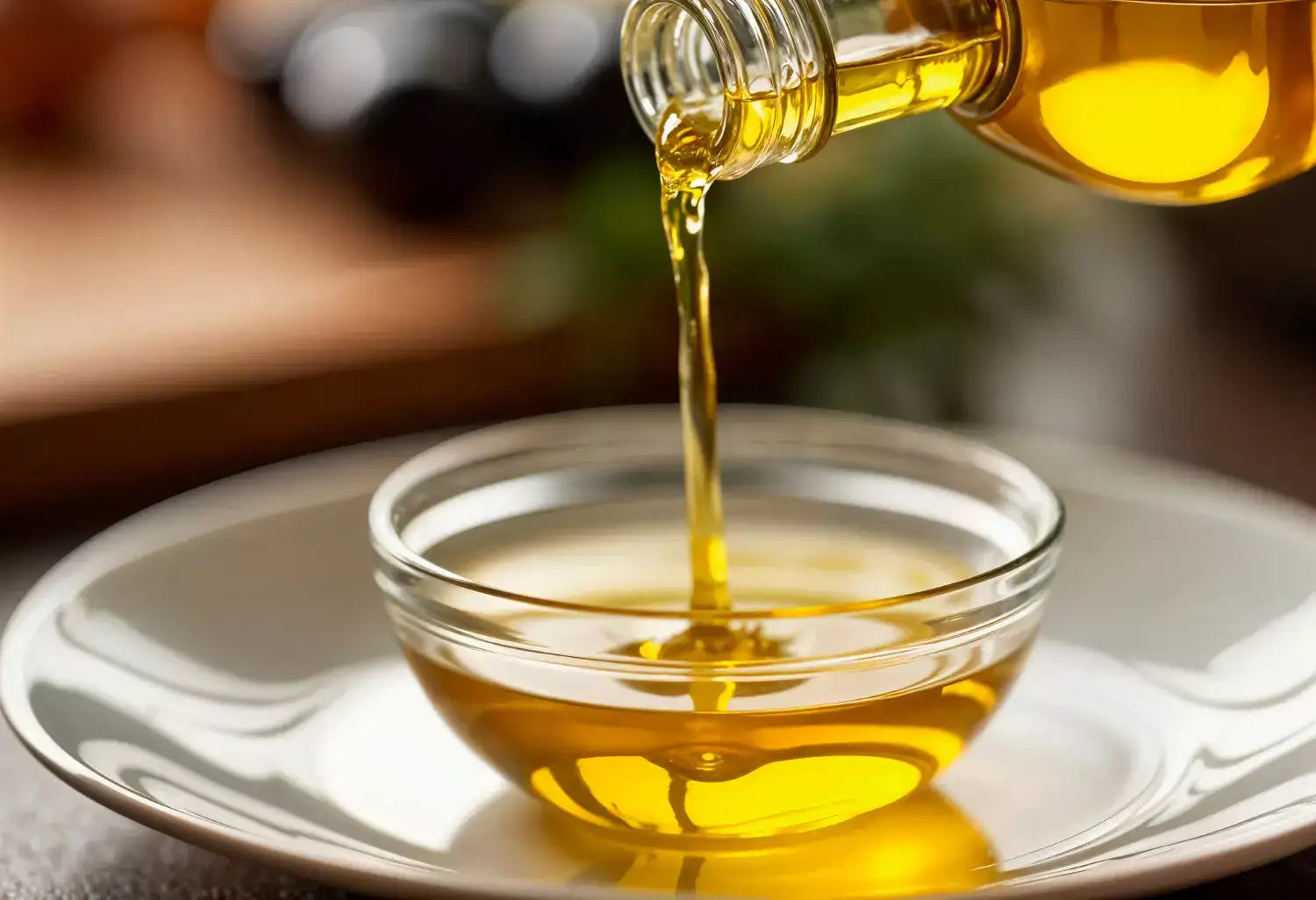
Palm Oil: Widely used in restaurants, palm oil is packed with saturated fat. Regular use can push up cholesterol levels and increase the risk of heart disease.
Blended Vegetable Oil: Often marketed as “healthy,” these oils are usually a mix of corn, canola, and palm oil. They’re highly refined, heavy in omega-6 fatty acids, and can promote inflammation when used daily.
Corn Oil: Despite being trendy, corn oil goes through heavy processing. It contains high levels of omega-6 fats and may include artificial colours, making it a poor choice for regular cooking.
Sunflower Oil: Commonly believed to be light and safe, sunflower oil is actually rich in omega-6 fatty acids. Excessive use can disturb the body’s fat balance and trigger inflammation.
Rice Bran Oil: Sold at premium prices, this refined oil is extracted using chemicals like hexane. Its high omega-6 content and heavy processing reduce its health appeal.
Mustard Oil: A traditional favourite, mustard oil is rich in monounsaturated fats that lower bad cholesterol and support heart health. Its high smoke point makes it ideal for frying and tadka.
Desi Ghee: Pure ghee is a nutritional powerhouse, loaded with vitamins A, D, E, and K. It supports digestion, reduces inflammation, and adds richness to any meal.
Coconut Oil: Coconut oil contains medium-chain triglycerides that are easily digested and quickly converted into energy. It works well for cooking, baking, and even frying.
Peanut Oil: With a high smoke point and mild flavour, peanut oil is perfect for deep frying. It’s also commonly used during fasting and is easy on digestion.
Sesame Oil: Popular in South Indian cooking, sesame oil is rich in antioxidants and healthy fats. Its nutty aroma enhances flavour while supporting overall health.
No matter which oil you choose, always go for cold-pressed or wood-pressed varieties. They’re less processed, retain more nutrients, and are far kinder to your body. Your kitchen oil isn’t just about taste, it’s a daily health decision. Choose wisely.
India’s 5 Worst Cooking Oils to Avoid
These oils may be popular, but they’re not doing your body any favours.Palm Oil: Widely used in restaurants, palm oil is packed with saturated fat. Regular use can push up cholesterol levels and increase the risk of heart disease.
Blended Vegetable Oil: Often marketed as “healthy,” these oils are usually a mix of corn, canola, and palm oil. They’re highly refined, heavy in omega-6 fatty acids, and can promote inflammation when used daily.
Corn Oil: Despite being trendy, corn oil goes through heavy processing. It contains high levels of omega-6 fats and may include artificial colours, making it a poor choice for regular cooking.
You may also like
- Chatting on Instagram Just Got Twice as Fun: Company Introduces This Powerful Feature
- NSE Holidays: Will the Stock Market Remain Open on Eid? Clear Up the Confusion Regarding Holidays Between March 19 and 21
- A Powerful Feature Is Coming to WhatsApp! You Will Be Able to Chat Even with People Who Don't Have an Account..
- WhatsApp Chats Will Stay 'Super Safe'—Just Change These 3 Settings and Message Worry-Free..
- Amid West Asia Tensions, Rupee's Decline Continues; Loses Ground Against Dollar Once Again
Sunflower Oil: Commonly believed to be light and safe, sunflower oil is actually rich in omega-6 fatty acids. Excessive use can disturb the body’s fat balance and trigger inflammation.
Rice Bran Oil: Sold at premium prices, this refined oil is extracted using chemicals like hexane. Its high omega-6 content and heavy processing reduce its health appeal.
India’s 5 Best Cooking Oils for Everyday Use
These oils are more natural, stable, and better suited for Indian cooking styles.Mustard Oil: A traditional favourite, mustard oil is rich in monounsaturated fats that lower bad cholesterol and support heart health. Its high smoke point makes it ideal for frying and tadka.
Desi Ghee: Pure ghee is a nutritional powerhouse, loaded with vitamins A, D, E, and K. It supports digestion, reduces inflammation, and adds richness to any meal.
Coconut Oil: Coconut oil contains medium-chain triglycerides that are easily digested and quickly converted into energy. It works well for cooking, baking, and even frying.
Peanut Oil: With a high smoke point and mild flavour, peanut oil is perfect for deep frying. It’s also commonly used during fasting and is easy on digestion.
Sesame Oil: Popular in South Indian cooking, sesame oil is rich in antioxidants and healthy fats. Its nutty aroma enhances flavour while supporting overall health.
No matter which oil you choose, always go for cold-pressed or wood-pressed varieties. They’re less processed, retain more nutrients, and are far kinder to your body. Your kitchen oil isn’t just about taste, it’s a daily health decision. Choose wisely.






More from our partners


Loving Newspoint? Download the app now
