
High Protein Diet Mistakes to Avoid for Better Health and Digestion

High protein diets are everywhere these days, from fitness plans to everyday meal trends. People add protein shakes to smoothies, swap meals for protein bars, and pick high protein snacks all in the hope of eating healthier or building muscle. But sometimes those changes lead to unexpected problems like fatigue, constipation, and discomfort instead of the benefits you were expecting from a high protein diet. The issue is not always the protein itself but the way people change other parts of their eating habits when they boost protein intake. An expert explains what often goes wrong and how to fix it so you can enjoy the benefits of protein without the downsides.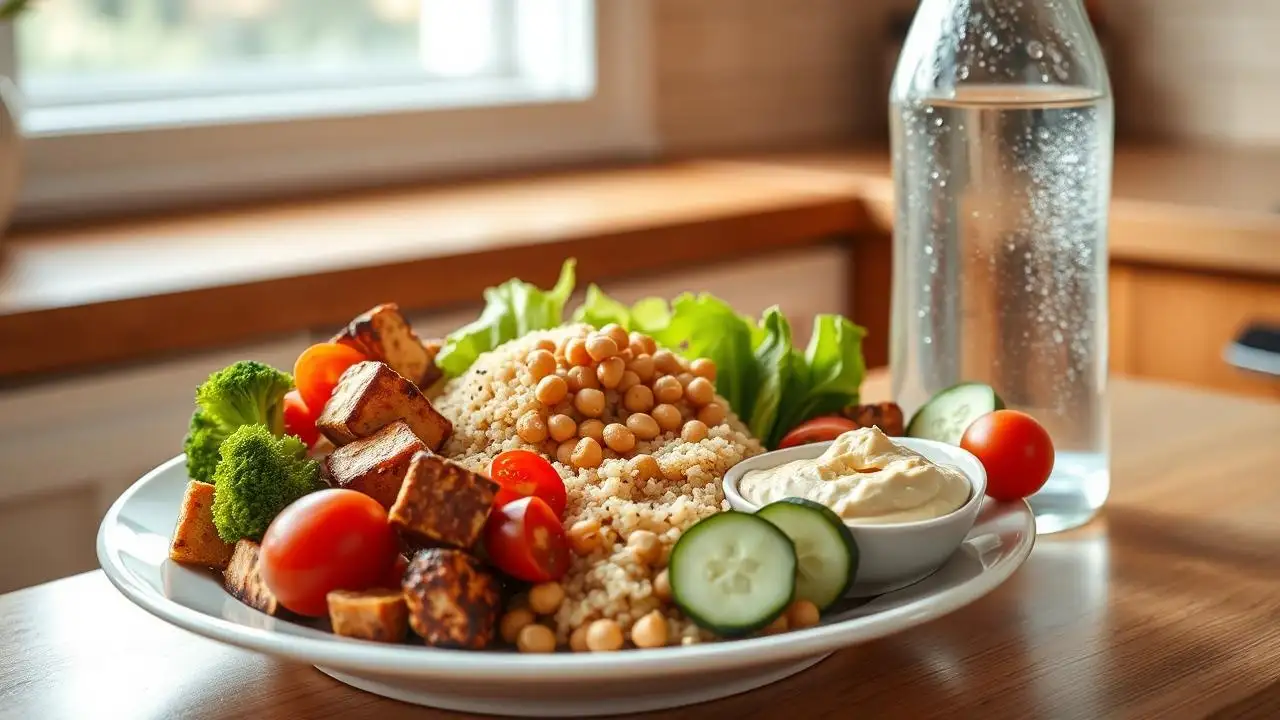
When you eat more protein, your body also needs more water, fibre, and potassium to keep digestion smooth and maintain balance. If these essentials are missing, your system feels stressed and protein gets blamed for reactions that are actually caused by other imbalances.
Why Protein Is Important but Can Be Misunderstood
Protein plays many essential roles in the body. It helps repair tissues, supports your immune system, and contributes to muscle building. These are all reasons why protein intake is crucial for overall health and fitness. But nutritionist Leema Mahajan points out that discomfort often comes not from protein itself but from how people adjust their diets when they increase protein.When you eat more protein, your body also needs more water, fibre, and potassium to keep digestion smooth and maintain balance. If these essentials are missing, your system feels stressed and protein gets blamed for reactions that are actually caused by other imbalances.
1. Not Drinking Enough Water on a High Protein Diet
One of the most common protein intake mistakes is not increasing water intake along with protein. When your body processes more protein, it produces more urea, which the kidneys must flush out. Without enough water, this extra load can show up as headaches, fatigue, darker urine, and constipation. Mahajan emphasises that protein does not dehydrate you on its own but insufficient hydration does. So if you raise your protein intake, be sure to raise your water intake too.2. Cutting Back on Fibre with Higher Protein
Another mistake many people make on a high protein diet is dropping fibre-rich foods. Many protein shakes, powders, and supplements have little to no fibre, and when these replace whole meals, digestion can slow down. Without enough fibre and water, constipation becomes a common complaint. Mahajan stresses that the issue is not protein itself but the lack of fruits, vegetables, whole grains, and legumes that keep the digestive system healthy and moving.3. Removing Fruits and Vegetables Reduces Potassium
People sometimes focus so much on increasing protein that they start cutting fruits and vegetables out of their meals. This is one of the most overlooked mistakes on a high protein diet. Many animal-based proteins can increase the body’s dietary acid load, and fruits and vegetables help counterbalance that because they are rich in potassium. Potassium helps neutralise acid and supports overall balance. Low potassium intake can lead to acidity or bloating, muscle cramps, blood pressure changes, and added stress on the kidneys. Mahajan points out that these problems show up when high protein meets low potassium, not because protein is harmful.How to Fix High Protein Diet Mistakes
If you are on a high protein diet and notice discomfort, it’s worth checking whether you are also supporting your body with enough water, fibre, and potassium-rich foods. Protein itself is not usually the problem. When your diet includes plenty of fluids, fruits, vegetables, and fibre, a high protein eating plan can feel supportive instead of tiring or uncomfortable. Before you cut back on protein shakes or stop eating everyday protein sources like eggs and dals, make sure these fundamentals are in place. That balance is what makes a high protein diet work well for your health.Next Story