
Baking Soda in Gardening: Tips and Risks

Baking soda is a simple kitchen staple, but many gardeners also use it outdoors. From fighting fungal infections to sweetening tomatoes, this affordable powder has gained popularity as a natural garden remedy. However, while baking soda can be helpful in certain situations, it is not a miracle fix. Understanding both its benefits and risks is essential before using it on your plants.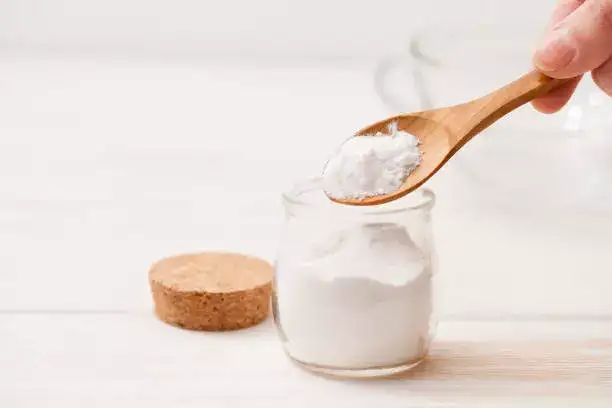
The Risks of Using Baking Soda
Baking soda can be a handy and affordable addition to your gardening toolkit when used wisely. It offers mild support against fungal problems and minor weeds, but it is not a replacement for proper garden care. Moderation and awareness are key. By understanding its limits, you can enjoy its benefits without putting your plants at risk.
How Baking Soda Helps in the Garden
1. Controls Fungal Diseases
Baking soda is often used as a homemade spray to manage fungal issues like powdery mildew. When mixed with water and a small amount of liquid soap, it can change the surface pH of leaves, making it harder for fungi to thrive. It works best as a preventive measure rather than a cure for severe infections.2. Natural Weed Control
Sprinkling baking soda directly into cracks in pathways or between patio stones can help suppress weeds. Since it contains sodium, it can dry out unwanted plants. However, this method should be used carefully to avoid affecting nearby garden beds.3. Freshens Compost Bins
A small amount of baking soda can reduce unpleasant odours in compost bins. It helps neutralise smells, especially when kitchen scraps start decomposing. Still, overuse can disrupt the natural balance needed for proper composting.4. Tests Soil pH
Some gardeners use baking soda in simple home tests to get a rough idea of soil acidity. When added to moist soil, bubbling may indicate acidic conditions. While this is not as accurate as professional soil testing, it can offer a basic insight.The Risks of Using Baking Soda
Despite its benefits, baking soda must be used with caution.
1. Sodium Buildup in Soil
Baking soda contains sodium, which can accumulate in soil over time. Excess sodium may harm plant roots, reduce nutrient absorption, and negatively impact soil structure.2. Leaf Damage
If sprayed in high concentrations, baking soda solutions can burn leaves. Always dilute properly and test on a small area before treating the entire plant.3. Harm to Beneficial Organisms
Overuse may affect beneficial microbes in the soil. Healthy soil depends on a balanced ecosystem, and too much sodium can disturb this natural harmony.Safe Tips for Using Baking Soda
- Always dilute baking soda before applying it to plants.
- Use it occasionally, not as a regular fertiliser or treatment.
- Avoid applying it to already stressed or young plants.
- Water the soil thoroughly if you suspect overuse.
- Consider professional soil testing for long term garden health.
Baking soda can be a handy and affordable addition to your gardening toolkit when used wisely. It offers mild support against fungal problems and minor weeds, but it is not a replacement for proper garden care. Moderation and awareness are key. By understanding its limits, you can enjoy its benefits without putting your plants at risk.
Next Story