
Basic Dog Training Tips for First-Time Owners: A Simple Beginner’s Guide

Bringing home your first dog is exciting, but it also comes with responsibility. Training is one of the most important parts of building a happy and well-behaved companion. The good news is that with patience and consistency, even beginners can train their dogs effectively.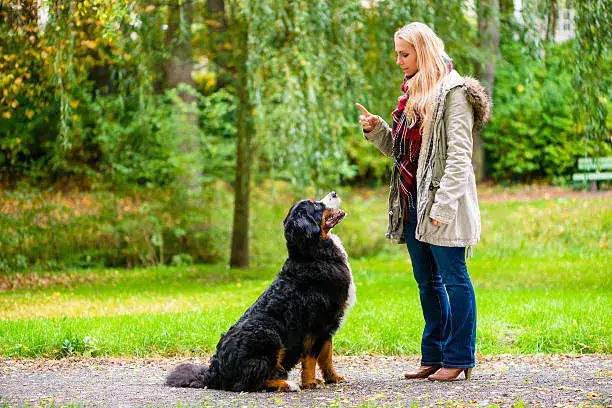
Here are some simple and practical tips to help you get started.
Start Training Early
The earlier you begin training, the better. Puppies are quick learners, but even older dogs can pick up new habits with the right approach. Focus on basic commands like sit, stay, come, and no. These form the foundation for good behavior.
Keep sessions short and engaging so your dog stays interested.
Be Consistent with Commands
Dogs learn through repetition. Use the same words and tone every time you give a command. If you say “sit” one day and “sit down” the next, it can confuse your dog.
Consistency also applies to rules. If your dog is not allowed on the couch, everyone in the house should follow that rule.
Use Positive Reinforcement
Reward-based training works best. When your dog follows a command or behaves well, reward them with treats, praise, or affection. This helps them associate good behavior with positive outcomes.
Avoid harsh punishment, as it can create fear and slow down learning.
Keep Training Sessions Short
Dogs, especially puppies, have short attention spans. Aim for training sessions of 5 to 10 minutes, a few times a day. This keeps your dog focused and prevents boredom.
End each session on a positive note so your dog looks forward to the next one.
Socialise Your Dog
Expose your dog to different people, environments, and other animals early on. Socialisation helps reduce fear and aggression later in life.
Take your dog on walks, introduce them to new sounds, and let them experience different situations safely.
Focus on Potty Training
House training is often the first challenge for new owners. Take your dog outside regularly, especially after meals, naps, and playtime.
Praise them immediately after they go in the right place. Accidents will happen, so stay patient and avoid scolding.
Be Patient and Stay Calm
Training takes time. Some dogs learn quickly, while others need more repetition. Stay calm and avoid frustration.
Your dog responds to your energy, so a relaxed and positive attitude will help them feel secure and willing to learn.
Create a Routine
Dogs thrive on routine. Set fixed times for feeding, walks, play, and training. A predictable schedule helps your dog understand what to expect and reduces anxiety.
Use the Right Training Tools
Basic tools like a leash, collar, and treats are enough to get started. Choose comfortable and safe equipment for your dog’s size and breed.
Avoid using tools that cause discomfort or fear.
Build a Strong Bond
Training is not just about commands. It is also about building trust and connection with your dog. Spend quality time playing, walking, and relaxing together.
A strong bond makes training easier and more enjoyable for both of you.
Training your first dog may feel overwhelming at times, but it is also a rewarding journey. With consistency, patience, and positive reinforcement, your dog will learn to become a well-mannered and happy companion.
Start small, stay committed, and enjoy every moment with your new furry friend.
Here are some simple and practical tips to help you get started.
Start Training Early
The earlier you begin training, the better. Puppies are quick learners, but even older dogs can pick up new habits with the right approach. Focus on basic commands like sit, stay, come, and no. These form the foundation for good behavior.Keep sessions short and engaging so your dog stays interested.
Be Consistent with Commands
Dogs learn through repetition. Use the same words and tone every time you give a command. If you say “sit” one day and “sit down” the next, it can confuse your dog.Consistency also applies to rules. If your dog is not allowed on the couch, everyone in the house should follow that rule.
Use Positive Reinforcement
Reward-based training works best. When your dog follows a command or behaves well, reward them with treats, praise, or affection. This helps them associate good behavior with positive outcomes. Avoid harsh punishment, as it can create fear and slow down learning.
Keep Training Sessions Short
Dogs, especially puppies, have short attention spans. Aim for training sessions of 5 to 10 minutes, a few times a day. This keeps your dog focused and prevents boredom.End each session on a positive note so your dog looks forward to the next one.
Socialise Your Dog
Expose your dog to different people, environments, and other animals early on. Socialisation helps reduce fear and aggression later in life. Take your dog on walks, introduce them to new sounds, and let them experience different situations safely.
Focus on Potty Training
House training is often the first challenge for new owners. Take your dog outside regularly, especially after meals, naps, and playtime. Praise them immediately after they go in the right place. Accidents will happen, so stay patient and avoid scolding.
Be Patient and Stay Calm
Training takes time. Some dogs learn quickly, while others need more repetition. Stay calm and avoid frustration. Your dog responds to your energy, so a relaxed and positive attitude will help them feel secure and willing to learn.
Create a Routine
Dogs thrive on routine. Set fixed times for feeding, walks, play, and training. A predictable schedule helps your dog understand what to expect and reduces anxiety. Use the Right Training Tools
Basic tools like a leash, collar, and treats are enough to get started. Choose comfortable and safe equipment for your dog’s size and breed. Avoid using tools that cause discomfort or fear.
Build a Strong Bond
Training is not just about commands. It is also about building trust and connection with your dog. Spend quality time playing, walking, and relaxing together. A strong bond makes training easier and more enjoyable for both of you.
Training your first dog may feel overwhelming at times, but it is also a rewarding journey. With consistency, patience, and positive reinforcement, your dog will learn to become a well-mannered and happy companion.
Start small, stay committed, and enjoy every moment with your new furry friend.
Next Story