
LPG Crisis In India: 5 Easy Vegetarian Recipes You Can Cook on an Induction Stove

As India faces a cooking gas shortage and rising LPG prices, many households are looking for alternative ways to prepare daily meals. One solution that is quickly gaining popularity is the induction cooktop, which allows people to cook without using gas.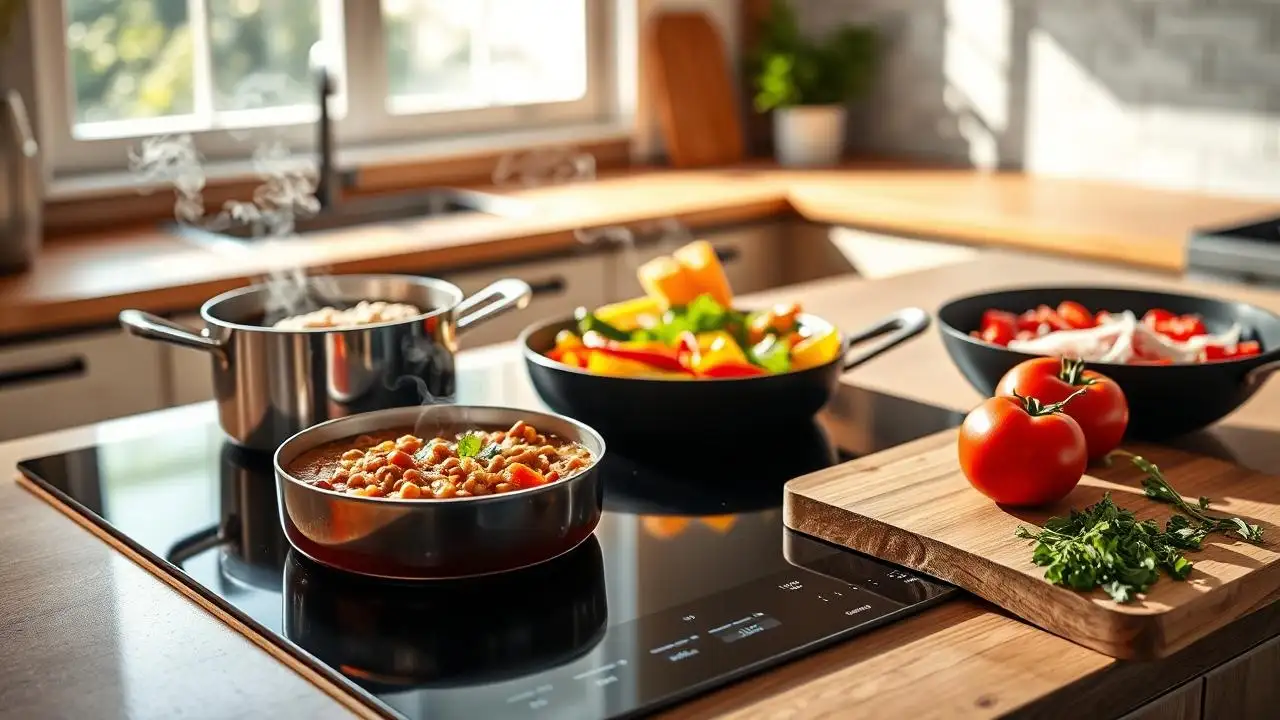
In several cities, demand for induction stoves has surged as families try to cope with the disruption in LPG supply. Retailers across major metros have reported a sharp rise in sales as households purchase electric cooktops as a backup cooking option.
The shift has also encouraged home cooks to explore simple induction-friendly recipes that are quick, nutritious, and easy to prepare. If you are trying to save gas or temporarily switch to electric cooking, here are some easy vegetarian dishes you can make using an induction stove.
To prepare vegetable poha, heat oil in a pan on the induction stove, add mustard seeds, curry leaves, onions, and green chillies. Toss in soaked flattened rice along with turmeric, salt, and vegetables such as peas or carrots. Cook for a few minutes and finish with lemon juice and coriander leaves.
The dish is light, filling, and ready in under 15 minutes.
Start by heating oil in a pan, then sauté onions, tomatoes, green chillies, and ginger-garlic paste. Add spices like turmeric, chilli powder, and garam masala before mixing in crumbled paneer.
Cook for a few minutes until the flavours blend together. Paneer bhurji can be served with roti, bread, or even as a filling for wraps.
Roast semolina (suji) lightly, then cook it with mustard seeds, curry leaves, onions, green chillies, and vegetables like carrots or beans. Gradually add water while stirring continuously to prevent lumps.
Within minutes, you will have a warm, comforting dish that is perfect for breakfast or a light dinner.
Heat oil on the induction cooktop and sauté mustard seeds, curry leaves, peanuts, and onions. Add chopped tomatoes and spices, then mix in cooked rice.
Stir everything well and garnish with fresh coriander. This quick recipe is ideal for using leftover rice while saving cooking gas.
Prepare a batter using besan, water, chopped onions, green chillies, coriander, and spices. Pour the mixture onto a hot pan and cook on both sides until golden.
Serve with chutney or curd for a healthy and satisfying meal.
In fact, the growing demand has even caused induction cooktops to run out of stock in several areas, reflecting how rapidly people are adapting to the situation.
Simple vegetarian recipes that require less cooking time and minimal ingredients can help families manage their kitchens more efficiently during the crisis.
Switching to induction cooking for some meals not only reduces gas usage but also allows households to continue preparing nutritious food without interruption.
In several cities, demand for induction stoves has surged as families try to cope with the disruption in LPG supply. Retailers across major metros have reported a sharp rise in sales as households purchase electric cooktops as a backup cooking option.
The shift has also encouraged home cooks to explore simple induction-friendly recipes that are quick, nutritious, and easy to prepare. If you are trying to save gas or temporarily switch to electric cooking, here are some easy vegetarian dishes you can make using an induction stove.
1. Vegetable Poha
Poha is one of the simplest and quickest breakfast or light meal options. It cooks quickly and requires minimal heat, making it perfect for induction cooking .To prepare vegetable poha, heat oil in a pan on the induction stove, add mustard seeds, curry leaves, onions, and green chillies. Toss in soaked flattened rice along with turmeric, salt, and vegetables such as peas or carrots. Cook for a few minutes and finish with lemon juice and coriander leaves.
The dish is light, filling, and ready in under 15 minutes.
2. Paneer Bhurji
Paneer bhurji is a protein-rich vegetarian dish that can be made easily on an induction cooktop.Start by heating oil in a pan, then sauté onions, tomatoes, green chillies, and ginger-garlic paste. Add spices like turmeric, chilli powder, and garam masala before mixing in crumbled paneer.
Cook for a few minutes until the flavours blend together. Paneer bhurji can be served with roti, bread, or even as a filling for wraps.
3. Vegetable Upma
Upma is another quick meal that works well on induction stoves because it cooks rapidly and uses minimal oil.Roast semolina (suji) lightly, then cook it with mustard seeds, curry leaves, onions, green chillies, and vegetables like carrots or beans. Gradually add water while stirring continuously to prevent lumps.
Within minutes, you will have a warm, comforting dish that is perfect for breakfast or a light dinner.
4. Tomato Rice
Tomato rice is a flavourful one-pot dish that is easy to prepare even with limited fuel.Heat oil on the induction cooktop and sauté mustard seeds, curry leaves, peanuts, and onions. Add chopped tomatoes and spices, then mix in cooked rice.
Stir everything well and garnish with fresh coriander. This quick recipe is ideal for using leftover rice while saving cooking gas.
5. Besan Chilla
Besan chilla is a nutritious savoury pancake made from gram flour. It cooks quickly and requires only a flat pan, making it perfect for induction cooking.Prepare a batter using besan, water, chopped onions, green chillies, coriander, and spices. Pour the mixture onto a hot pan and cook on both sides until golden.
Serve with chutney or curd for a healthy and satisfying meal.
Why Induction Cooking Is Becoming Popular
With LPG shortages affecting households and businesses, many people are turning to electric appliances as a reliable alternative. Supply disruptions linked to global energy challenges have pushed consumers to look for backup cooking methods such as induction and microwave cooking.In fact, the growing demand has even caused induction cooktops to run out of stock in several areas, reflecting how rapidly people are adapting to the situation.
A Practical Solution During the LPG Shortage
While LPG remains the primary cooking fuel for most Indian households, the ongoing supply disruptions have highlighted the importance of having alternative cooking methods.Simple vegetarian recipes that require less cooking time and minimal ingredients can help families manage their kitchens more efficiently during the crisis.
Switching to induction cooking for some meals not only reduces gas usage but also allows households to continue preparing nutritious food without interruption.
Next Story