
Wooden Comb Benefits: Why the Japanese Kushi Ritual Is Trending in 2026

Another haircare trend is making waves in 2026 as expensive serums, modern styling tools and endless hair products are somehow failing to provide lasting protection for hair. What was once considered old-fashioned is now making a comeback in the form of a “Japanese Kushi Ritual”. In Japan, this simple ritual involves combing the scalp with a wooden kushi, where the word ‘kushi’ simply means comb. The practice includes gently massaging the scalp with a wooden comb, and it has gradually gained popularity on social media. As a result, wooden combs are now emerging as a preferred alternative to plastic combs, thanks to the benefits they offer beyond just aesthetics. Let’s explore more about this ‘Wooden Comb Secret’ and understand how it can benefit your hair and scalp.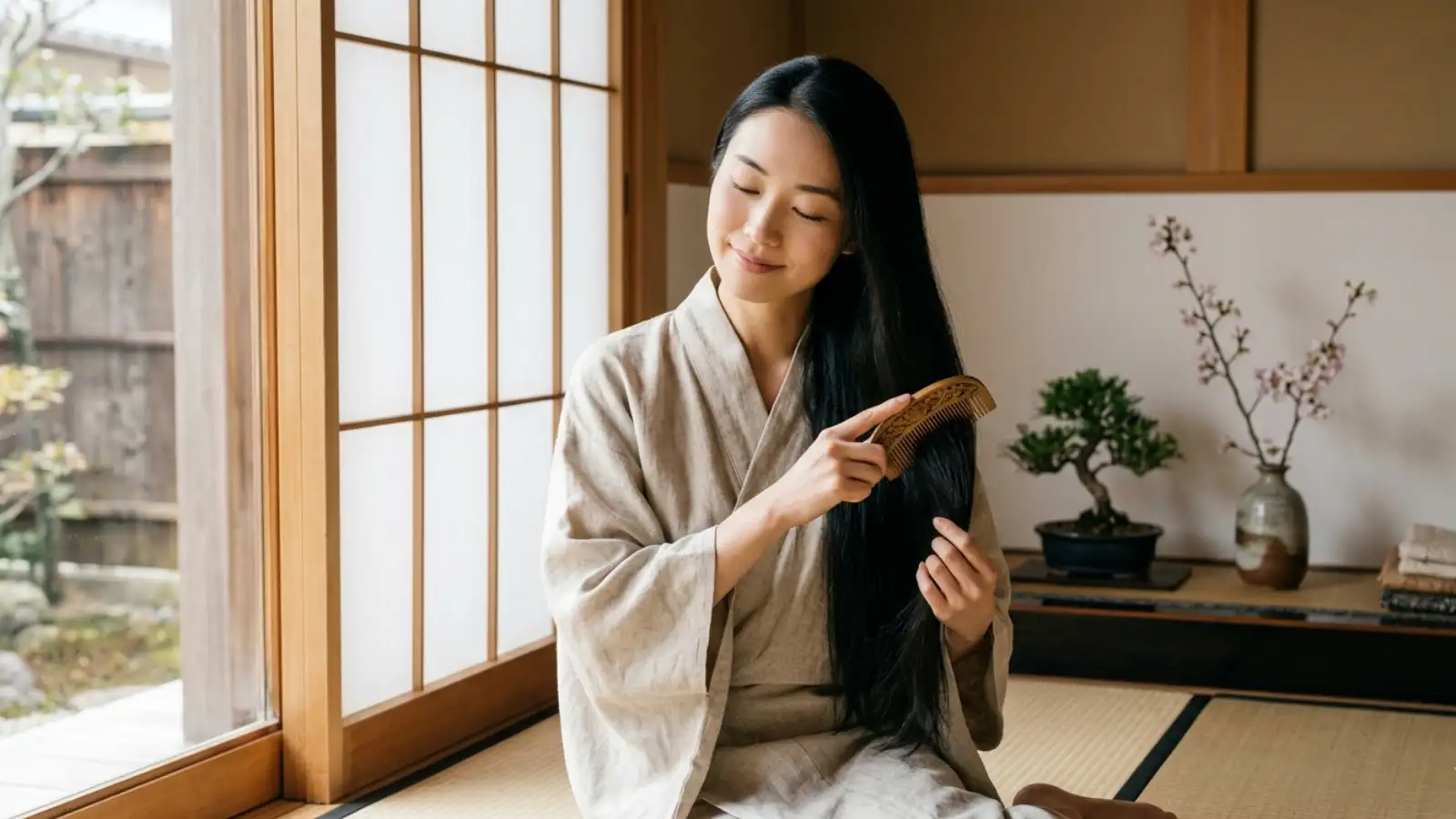
These combs may also help reduce stress. The rhythmic combing strokes can activate scalp mechanoreceptors, which may promote relaxation, encourage endorphin release, and help lower stress levels within minutes. Additionally, wooden combs help distribute natural scalp oils evenly from roots to tips. This can help prevent dryness at the scalp while reducing greasiness at the ends.
Try making a wooden comb part of your scalp-care routine. Slowly comb from the front of the scalp toward the back, or from the roots downward using light and steady strokes. Many people also prefer using a wooden comb in the morning or before bedtime as a calming self-care ritual.
Japanese Kushi Ritual
This ritual traces its roots back centuries, when combs were used not only for grooming but also as symbols of care, refinement, and daily discipline. These combs became especially popular among court ladies and geisha during the Heian period (794-1185). While much of the world relied on bone or metal combs, Japanese combs were crafted from prized woods such as boxwood, sakura cherry, and ebony. They were designed to glide smoothly through the hair with minimal friction. It was believed that gently smoothing the hair helped calm one’s inner spirit and bring scattered energy back into a state of balance.How It Benefits You
These wooden combs gently exfoliate the scalp, while massaging the scalp helps improve blood circulation. Although they do not directly speed up hair growth, they may support healthier follicle function, which can help improve hair density over time. It is believed that combing with a kushi can stimulate microvascular blood flow by up to 30%, helping deliver oxygen and nutrients to hair follicles.These combs may also help reduce stress. The rhythmic combing strokes can activate scalp mechanoreceptors, which may promote relaxation, encourage endorphin release, and help lower stress levels within minutes. Additionally, wooden combs help distribute natural scalp oils evenly from roots to tips. This can help prevent dryness at the scalp while reducing greasiness at the ends.
How You Can Use A Wooden Comb
You can start with slightly damp hair, as fully wet hair is more fragile and prone to breakage. Gently detangle the ends first before moving upward to avoid unnecessary hair damage. It is recommended to use a wide-toothed comb for detangling, while the finer side can be used for styling and smoothing.Try making a wooden comb part of your scalp-care routine. Slowly comb from the front of the scalp toward the back, or from the roots downward using light and steady strokes. Many people also prefer using a wooden comb in the morning or before bedtime as a calming self-care ritual.
Next Story