
Best Fresh Fruits And Vegetables To Keep Your Pet Birds Healthy And Happy

Feeding pet birds a balanced and nutritious diet is essential for their long-term health and wellbeing. While high-quality seeds and pellets form the foundation of most feeding routines, fresh fruits and vegetables play an equally important role. They provide essential vitamins, minerals, hydration and dietary fibre that birds cannot obtain fully from dry food alone. Introducing fresh produce not only enhances nutrition but also adds variety, colour and enrichment to a bird’s daily meals, supporting both physical vitality and mental stimulation.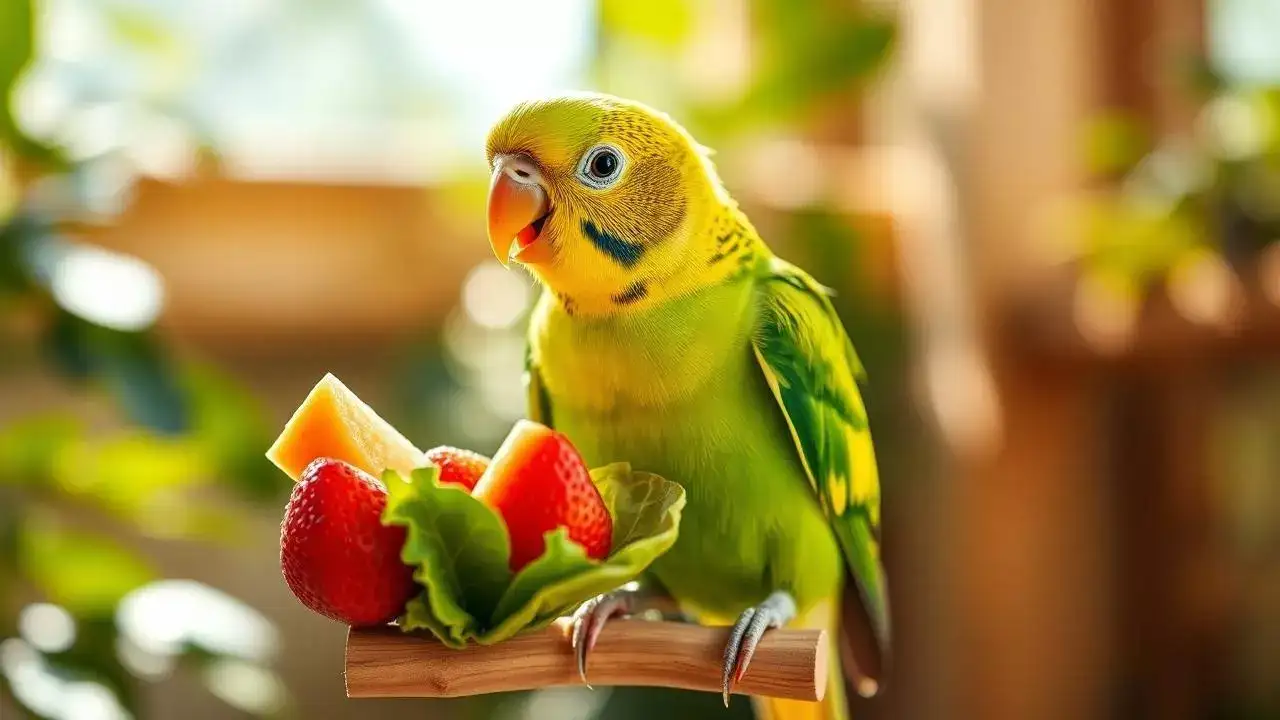
Pet birds fed only on seeds often face nutritional deficiencies, particularly in Vitamin A and calcium. Fresh fruits and vegetables help bridge this gap, promoting stronger immunity, better eyesight and healthier skin and plumage. They also provide natural hydration, especially beneficial in warmer climates or during moulting periods.
Apples are a popular choice due to their fibre content and mild sweetness. Always remove the seeds before serving, as they contain harmful compounds.
Bananas are soft, easy to digest and loved by most birds. They provide potassium and quick energy, making them ideal as occasional treats.
Papaya is highly beneficial due to its Vitamin A content, which supports vision and immune function. Mangoes offer similar benefits along with natural enzymes that aid digestion.
Berries such as strawberries and blueberries are antioxidant-rich and excellent for boosting overall vitality. Grapes can also be offered sparingly but should be cut into smaller pieces for safety.
Carrots are among the best vegetables for birds, loaded with beta-carotene that converts to Vitamin A. They can be served grated or finely chopped.
Leafy greens such as spinach, kale and coriander provide iron, calcium and essential phytonutrients. These support bone strength and blood health when fed in rotation.
Broccoli is another powerhouse vegetable containing Vitamin C, calcium and fibre. Birds enjoy both the florets and tender stems.
Bell peppers, especially red and yellow varieties, are rich in antioxidants and add vibrant colour to feeding bowls, encouraging picky eaters to try new foods.
Cucumbers and courgettes offer hydration and are particularly refreshing during summer months.
Peel produce where necessary and remove seeds or pits from fruits like apples, peaches and cherries. Cut food into bird-appropriate sizes to prevent choking.
Fresh food should never remain in the cage for extended periods. Remove uneaten portions within a few hours to prevent bacterial growth.
Serving produce raw is generally best, as cooking may destroy heat-sensitive nutrients. However, steaming harder vegetables like carrots or beans lightly can make them easier to chew.
Avocados are highly dangerous and must never be fed. Onions and garlic can cause digestive and blood-related complications. Rhubarb leaves are also toxic.
Fruit seeds and pits often contain harmful compounds and should always be removed before serving.
Understanding these risks is essential for maintaining safe bird nutrition practices.
Introduce new produce gradually to avoid digestive upset. Observing your bird’s preferences helps in building a varied yet balanced feeding routine.
Hanging leafy greens, stuffing vegetables inside foraging toys or creating chopped “bird salads” can make mealtimes interactive and mentally engaging.
Providing the best fresh fruits and vegetables for birds is one of the simplest yet most impactful ways to support their health. A varied selection of safe produce enhances immunity, improves feather condition and promotes active behaviour. By focusing on proper hygiene, safe preparation and balanced portions, bird owners can create a wholesome diet that mirrors natural feeding habits. Fresh nutrition, when combined with quality base feed, ensures pet birds live longer, healthier and more vibrant lives.
Why Fresh Produce Is Important In A Bird’s Diet
In the wild, birds consume a wide range of fresh plant matter including fruits, leafy greens, shoots and vegetables. This diversity ensures they receive natural antioxidants, enzymes and micronutrients that support immune health, feather quality and digestion.Pet birds fed only on seeds often face nutritional deficiencies, particularly in Vitamin A and calcium. Fresh fruits and vegetables help bridge this gap, promoting stronger immunity, better eyesight and healthier skin and plumage. They also provide natural hydration, especially beneficial in warmer climates or during moulting periods.
Best Fresh Fruits For Pet Birds
Fruits are rich in natural sugars, so they should be offered in moderation. However, they remain an excellent source of vitamins and antioxidants when served appropriately.Apples are a popular choice due to their fibre content and mild sweetness. Always remove the seeds before serving, as they contain harmful compounds.
Bananas are soft, easy to digest and loved by most birds. They provide potassium and quick energy, making them ideal as occasional treats.
Papaya is highly beneficial due to its Vitamin A content, which supports vision and immune function. Mangoes offer similar benefits along with natural enzymes that aid digestion.
Berries such as strawberries and blueberries are antioxidant-rich and excellent for boosting overall vitality. Grapes can also be offered sparingly but should be cut into smaller pieces for safety.
Nutritious Vegetables Birds Should Eat Regularly
Vegetables should form a larger portion of fresh food intake because they are lower in sugar and higher in fibre and minerals.Carrots are among the best vegetables for birds, loaded with beta-carotene that converts to Vitamin A. They can be served grated or finely chopped.
Leafy greens such as spinach, kale and coriander provide iron, calcium and essential phytonutrients. These support bone strength and blood health when fed in rotation.
Broccoli is another powerhouse vegetable containing Vitamin C, calcium and fibre. Birds enjoy both the florets and tender stems.
Bell peppers, especially red and yellow varieties, are rich in antioxidants and add vibrant colour to feeding bowls, encouraging picky eaters to try new foods.
Cucumbers and courgettes offer hydration and are particularly refreshing during summer months.
Safe Preparation Methods For Fresh Bird Food
Proper preparation is crucial to ensure safety and hygiene. Always wash fruits and vegetables thoroughly to remove pesticides, dirt and residues.Peel produce where necessary and remove seeds or pits from fruits like apples, peaches and cherries. Cut food into bird-appropriate sizes to prevent choking.
Fresh food should never remain in the cage for extended periods. Remove uneaten portions within a few hours to prevent bacterial growth.
Serving produce raw is generally best, as cooking may destroy heat-sensitive nutrients. However, steaming harder vegetables like carrots or beans lightly can make them easier to chew.
Fruits And Vegetables To Avoid
Not all fresh produce is safe. Some fruits and vegetables are toxic or harmful to birds.Avocados are highly dangerous and must never be fed. Onions and garlic can cause digestive and blood-related complications. Rhubarb leaves are also toxic.
Fruit seeds and pits often contain harmful compounds and should always be removed before serving.
Understanding these risks is essential for maintaining safe bird nutrition practices.
How Much Fresh Food Should Birds Eat
Fresh fruits and vegetables should typically make up around 20 to 30 percent of a pet bird’s daily diet, depending on species and size. The remaining portion should come from pellets, seeds and occasional protein sources.Introduce new produce gradually to avoid digestive upset. Observing your bird’s preferences helps in building a varied yet balanced feeding routine.
Enrichment Benefits Of Fresh Produce
Beyond nutrition, fresh foods provide sensory enrichment. Different colours, textures and shapes stimulate curiosity and encourage natural foraging behaviour.Hanging leafy greens, stuffing vegetables inside foraging toys or creating chopped “bird salads” can make mealtimes interactive and mentally engaging.
Providing the best fresh fruits and vegetables for birds is one of the simplest yet most impactful ways to support their health. A varied selection of safe produce enhances immunity, improves feather condition and promotes active behaviour. By focusing on proper hygiene, safe preparation and balanced portions, bird owners can create a wholesome diet that mirrors natural feeding habits. Fresh nutrition, when combined with quality base feed, ensures pet birds live longer, healthier and more vibrant lives.
Next Story