
Best Healthy Late Night Snacks to Satisfy Your Hunger Without Ruining Your Diet or Your Sleep

It happens to almost everyone. The dinner plates have been cleared, the kitchen light is off, and then — somewhere around 9 or 10 in the evening — hunger quietly reappears. For years, late night eating was painted as an unambiguous dietary villain, something to resist at all costs. The reality, however, is considerably more nuanced. Eating late at night is not inherently harmful; what matters most is what you choose to eat and how much of it you consume. The right late night snack can actually support sleep, stabilise blood sugar, and prevent the kind of morning over-eating that often follows a night of ignored hunger.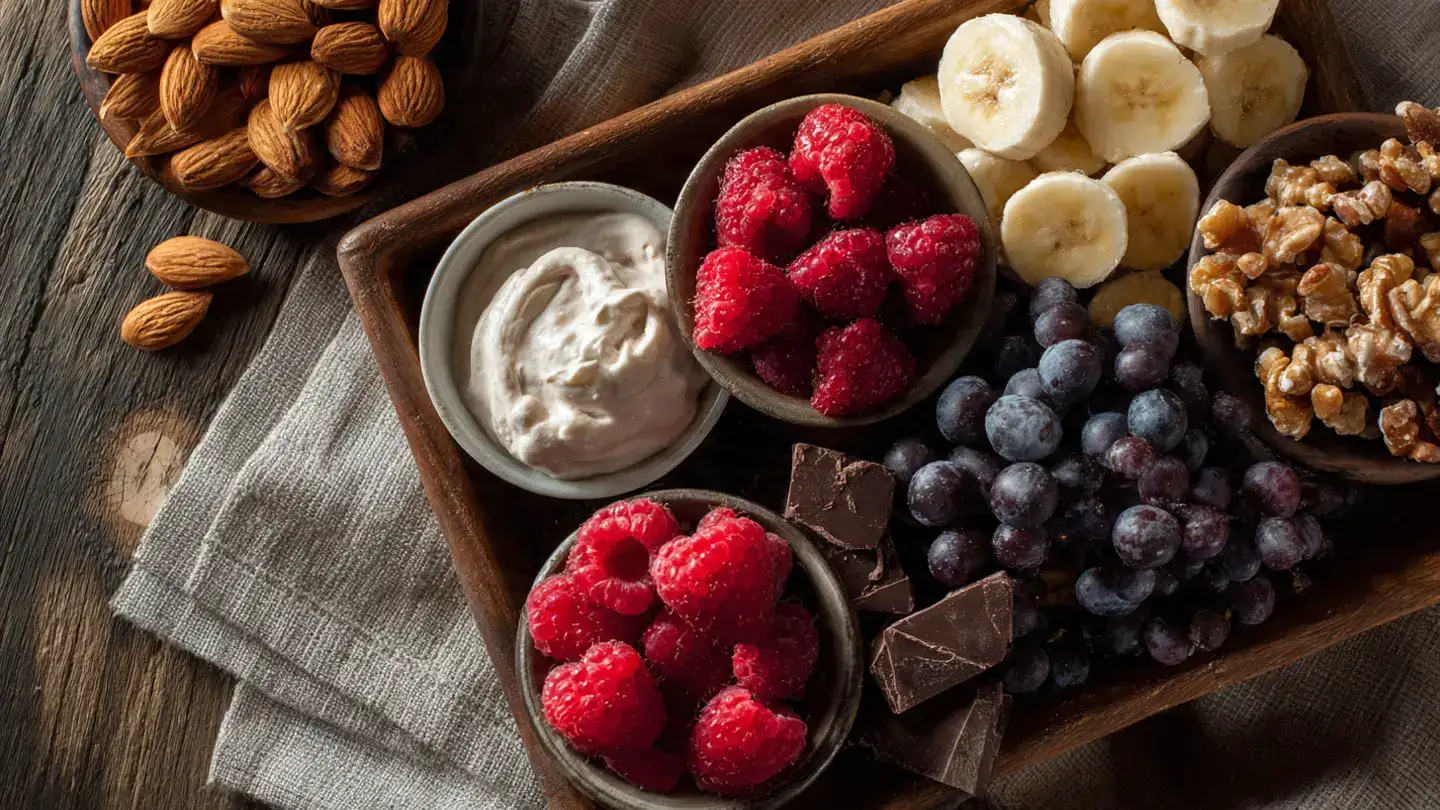
For others, evening hunger is partly habitual or emotional — associated with winding down, watching television, or seeking comfort after a demanding day. Recognising which category your late night hunger falls into helps you respond to it more thoughtfully. Genuine physiological hunger deserves to be answered; habitual or stress-driven snacking may be better addressed through a glass of water, a calming routine, or a modest but intentional snack that satisfies without excess.
Pairing plain, full-fat or low-fat Greek yoghurt with a small handful of fresh or frozen berries adds natural sweetness, a dose of antioxidants, and a modest amount of fibre. It is filling, genuinely enjoyable, and requires no preparation beyond opening the fridge — which matters when willpower is running low at the end of the day.
Nut butter contributes healthy fats and a further boost of protein, slowing digestion and extending the feeling of fullness. Keep the portion modest — a tablespoon of nut butter is sufficient — and opt for a variety without added sugar or palm oil for the cleanest nutritional profile.
Cottage cheese is an underrated protein source that pairs well with both savoury and sweet toppings. It is low in calories, high in casein protein — a slow-digesting form that feeds muscles gradually during sleep — and contains calcium, which supports the body's natural production of melatonin. A few oatcakes topped with cottage cheese and a grind of black pepper makes for a satisfying, sleep-friendly combination that takes less than two minutes to prepare.
Prepare it with semi-skimmed milk rather than water for an additional protein contribution, and sweeten lightly with a drizzle of honey or a few sliced banana pieces rather than sugar. Keep the portion to roughly half a standard breakfast serving — the goal is to quieten hunger, not to add a full meal to the end of your day.
Nuts — particularly almonds, walnuts, and cashews — offer a combination of healthy fats, protein, magnesium, and in the case of walnuts, a natural dietary source of melatonin. A small portion of around 25 to 30 grams is ideal for late night eating healthy without tipping into excess calories. Avoid salted or heavily flavoured varieties, which can increase thirst and disrupt sleep.
Spicy foods and anything heavy in fat or acid — pizza, fried foods, citrus-heavy dishes — are best avoided in the hour or two before bed, as they can trigger acid reflux or indigestion when you lie down. Similarly, caffeine-containing snacks such as dark chocolate, whilst often recommended in small amounts for other health benefits, are better enjoyed earlier in the day to avoid disrupting the ability to fall asleep.
Keeping a small selection of these snacks readily available — portioned, prepared where possible, and within easy reach — removes the moment of temptation that so often leads to poorer choices. When the healthiest option is also the most convenient one, late night snacking becomes far less of a dilemma and rather more of a quiet, well-deserved moment of care for yourself at the end of a long day.
Image Courtesy: Meta AI
Why Late Night Hunger Happens
Before reaching for the fridge handle, it helps to understand why hunger tends to emerge in the evening. For many people, it is simply a matter of not having eaten enough during the day — skipped lunches, rushed dinners, or long gaps between meals can leave a genuine caloric deficit that the body signals for later in the evening.For others, evening hunger is partly habitual or emotional — associated with winding down, watching television, or seeking comfort after a demanding day. Recognising which category your late night hunger falls into helps you respond to it more thoughtfully. Genuine physiological hunger deserves to be answered; habitual or stress-driven snacking may be better addressed through a glass of water, a calming routine, or a modest but intentional snack that satisfies without excess.
Greek Yoghurt with Berries
Greek yoghurt is one of the most nutritionally well-rounded options for a healthy snack before bed. It is rich in protein, which helps maintain satiety without placing significant demand on the digestive system overnight. It also contains tryptophan, an amino acid that the body uses to produce serotonin and melatonin — both of which play a role in regulating sleep.Pairing plain, full-fat or low-fat Greek yoghurt with a small handful of fresh or frozen berries adds natural sweetness, a dose of antioxidants, and a modest amount of fibre. It is filling, genuinely enjoyable, and requires no preparation beyond opening the fridge — which matters when willpower is running low at the end of the day.
Banana with Nut Butter
A banana with a small spoonful of almond or peanut butter is one of the most consistently recommended healthy late night snacks among nutritionists, and for good reason. Bananas contain both tryptophan and magnesium, two nutrients associated with relaxation and improved sleep quality. The natural sugars in banana provide a gentle energy source without causing a sharp spike in blood sugar.Nut butter contributes healthy fats and a further boost of protein, slowing digestion and extending the feeling of fullness. Keep the portion modest — a tablespoon of nut butter is sufficient — and opt for a variety without added sugar or palm oil for the cleanest nutritional profile.
Oatcakes with Cottage Cheese
Oatcakes are a brilliant base for a low calorie night snack that still feels substantial. Made from whole oats, they provide slow-release carbohydrates that help maintain steady blood sugar levels through the night — particularly useful for people who wake feeling lightheaded or unreasonably hungry before breakfast.Cottage cheese is an underrated protein source that pairs well with both savoury and sweet toppings. It is low in calories, high in casein protein — a slow-digesting form that feeds muscles gradually during sleep — and contains calcium, which supports the body's natural production of melatonin. A few oatcakes topped with cottage cheese and a grind of black pepper makes for a satisfying, sleep-friendly combination that takes less than two minutes to prepare.
A Small Bowl of Porridge
Porridge is not exclusively a breakfast food, and eating a small, lightly sweetened bowl in the evening is one of the most comforting and genuinely nourishing night time snack ideas available. Oats are a source of complex carbohydrates that encourage the uptake of tryptophan in the brain, supporting the natural wind-down process before sleep.Prepare it with semi-skimmed milk rather than water for an additional protein contribution, and sweeten lightly with a drizzle of honey or a few sliced banana pieces rather than sugar. Keep the portion to roughly half a standard breakfast serving — the goal is to quieten hunger, not to add a full meal to the end of your day.
Boiled Eggs or a Handful of Nuts
For those who prefer a snack that requires virtually no preparation, a couple of boiled eggs or a small handful of mixed nuts cover the essentials admirably. Eggs are one of the most protein-dense foods available, and their high tryptophan content makes them particularly well-suited to evening eating. Preparing a couple of boiled eggs earlier in the day means they are ready to reach for whenever evening hunger arrives.Nuts — particularly almonds, walnuts, and cashews — offer a combination of healthy fats, protein, magnesium, and in the case of walnuts, a natural dietary source of melatonin. A small portion of around 25 to 30 grams is ideal for late night eating healthy without tipping into excess calories. Avoid salted or heavily flavoured varieties, which can increase thirst and disrupt sleep.
What to Avoid When Snacking Late at Night
Knowing what not to eat is as important as knowing what to reach for. Highly processed snacks — crisps, biscuits, sugary cereals, and chocolate bars — tend to be calorie-dense without being genuinely filling, which means they satisfy cravings briefly before prompting further hunger. Their high sugar and refined carbohydrate content can also cause blood sugar fluctuations that interfere with sleep quality.Spicy foods and anything heavy in fat or acid — pizza, fried foods, citrus-heavy dishes — are best avoided in the hour or two before bed, as they can trigger acid reflux or indigestion when you lie down. Similarly, caffeine-containing snacks such as dark chocolate, whilst often recommended in small amounts for other health benefits, are better enjoyed earlier in the day to avoid disrupting the ability to fall asleep.
Building a Smarter Late Night Snacking Habit
The goal with late night eating healthy is not to punish yourself for feeling hungry, nor to eat so freely that you undermine your overall nutritional balance. It is to respond to your body's genuine signals with foods that serve it well — that nourish, calm, and satisfy without causing digestive discomfort, blood sugar instability, or unnecessary caloric excess.Keeping a small selection of these snacks readily available — portioned, prepared where possible, and within easy reach — removes the moment of temptation that so often leads to poorer choices. When the healthiest option is also the most convenient one, late night snacking becomes far less of a dilemma and rather more of a quiet, well-deserved moment of care for yourself at the end of a long day.
Image Courtesy: Meta AI
Next Story