
What Is the Best Way to Eat Flax Seeds for Maximum Health Benefits?

Flax seeds may be small in size, but they are loaded with nutrients that can support your overall health. Rich in omega 3 fatty acids, fiber, antioxidants, and plant protein, these tiny seeds are often considered a superfood. However, many people do not consume them the right way, which means they miss out on their full benefits.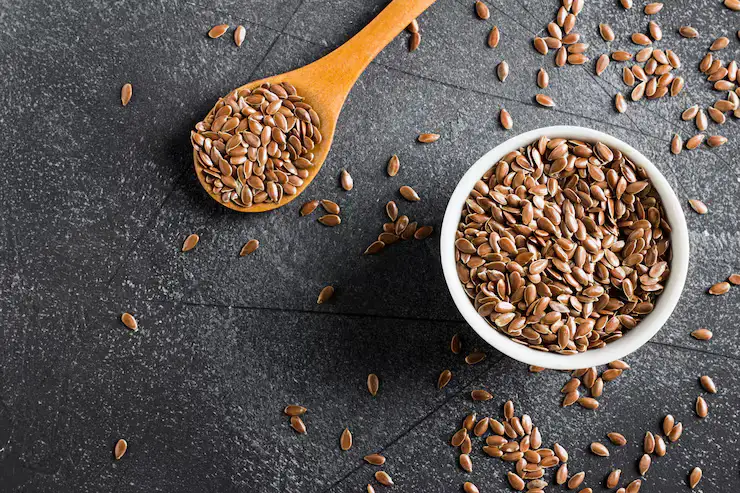
If you want to get the maximum health benefits from flax seeds, how you eat them matters just as much as eating them regularly.
They may help improve gut health, manage weight, balance blood sugar levels, and support healthy skin and hair.
Whole or Ground: Which Is Better?
This is the most important question.
Whole flax seeds often pass through your digestive system without being fully broken down. As a result, your body may not absorb most of the nutrients.
Ground flax seeds, also known as flaxseed meal, are much easier to digest. Grinding breaks the hard outer shell, allowing your body to absorb the healthy fats and antioxidants more effectively.
Best choice: Consume freshly ground flax seeds for maximum nutrition.
You can grind them at home using a mixer or coffee grinder and store the powder in an airtight container in the refrigerator to maintain freshness.
Should You Soak Flax Seeds?
Soaking flax seeds in water for a few hours creates a gel-like texture. This happens because of their high soluble fiber content. Soaked flax seeds can be easier on digestion and may help with constipation.
However, even if you soak them, grinding still improves nutrient absorption. You can either grind first and then mix in water or soak whole seeds and chew them properly.
How Much Flax Seed Should You Eat Daily?
Moderation is key. The recommended amount is about 1 to 2 tablespoons of ground flax seeds per day.
If you are new to flax seeds, start with 1 teaspoon daily and gradually increase. Because they are high in fiber, eating too much too quickly may cause bloating or discomfort.
Also, drink plenty of water when consuming flax seeds.
1. Mix with Warm Water
Stir one tablespoon of ground flax seeds into warm water and drink it in the morning to support digestion.
2. Add to Smoothies
Blend flaxseed powder into fruit or vegetable smoothies for extra fiber and healthy fats.
3. Sprinkle Over Breakfast
Add it to oats, yogurt, cereal, or porridge for a quick nutrition boost.
4. Add to Chapati Dough or Batter
Mix ground flax seeds into chapati dough, pancake batter, or baked goods.
5. Use as an Egg Substitute
Mix one tablespoon of ground flax seeds with three tablespoons of water and let it sit for a few minutes. This mixture works as a plant-based egg substitute in recipes.
Important Precautions
The best way to eat flax seeds for maximum health benefits is to consume them ground, in moderate amounts, and as part of a balanced diet. Simply swallowing whole seeds may not give you the full nutritional value.
Small daily habits make a big difference over time. When used correctly, flax seeds can be a simple and affordable way to support long term health.
If you want to get the maximum health benefits from flax seeds, how you eat them matters just as much as eating them regularly.
Why Flax Seeds Are So Good for You
Flax seeds are packed with:- Omega 3 fatty acids that support heart health
- Soluble and insoluble fiber that improves digestion
- Lignans, powerful antioxidants that may help reduce inflammation
- Protein and essential minerals like magnesium
They may help improve gut health, manage weight, balance blood sugar levels, and support healthy skin and hair.
Whole or Ground: Which Is Better?
This is the most important question.Whole flax seeds often pass through your digestive system without being fully broken down. As a result, your body may not absorb most of the nutrients.
Ground flax seeds, also known as flaxseed meal, are much easier to digest. Grinding breaks the hard outer shell, allowing your body to absorb the healthy fats and antioxidants more effectively.
Best choice: Consume freshly ground flax seeds for maximum nutrition.
You can grind them at home using a mixer or coffee grinder and store the powder in an airtight container in the refrigerator to maintain freshness.
Should You Soak Flax Seeds?
Soaking flax seeds in water for a few hours creates a gel-like texture. This happens because of their high soluble fiber content. Soaked flax seeds can be easier on digestion and may help with constipation. However, even if you soak them, grinding still improves nutrient absorption. You can either grind first and then mix in water or soak whole seeds and chew them properly.
How Much Flax Seed Should You Eat Daily?
Moderation is key. The recommended amount is about 1 to 2 tablespoons of ground flax seeds per day. If you are new to flax seeds, start with 1 teaspoon daily and gradually increase. Because they are high in fiber, eating too much too quickly may cause bloating or discomfort.
Also, drink plenty of water when consuming flax seeds.
Best Ways to Add Flax Seeds to Your Diet
Here are some easy and effective ways to include them in your routine:1. Mix with Warm Water
Stir one tablespoon of ground flax seeds into warm water and drink it in the morning to support digestion.
2. Add to Smoothies
Blend flaxseed powder into fruit or vegetable smoothies for extra fiber and healthy fats.
3. Sprinkle Over Breakfast
Add it to oats, yogurt, cereal, or porridge for a quick nutrition boost.
4. Add to Chapati Dough or Batter
Mix ground flax seeds into chapati dough, pancake batter, or baked goods.
5. Use as an Egg Substitute
Mix one tablespoon of ground flax seeds with three tablespoons of water and let it sit for a few minutes. This mixture works as a plant-based egg substitute in recipes.
When Is the Best Time to Eat Flax Seeds?
There is no fixed rule, but many people prefer:- Morning on an empty stomach for better digestion
- With meals to improve fullness and control appetite
- Choose a time that fits your daily routine and stay consistent.
Important Precautions
- Always consume flax seeds with enough water.
- Store ground flax seeds in the refrigerator to prevent spoilage.
- People with hormonal conditions, digestive disorders, or those who are pregnant should consult a doctor before regular consumption.
- Avoid excessive intake.
The best way to eat flax seeds for maximum health benefits is to consume them ground, in moderate amounts, and as part of a balanced diet. Simply swallowing whole seeds may not give you the full nutritional value.
Small daily habits make a big difference over time. When used correctly, flax seeds can be a simple and affordable way to support long term health.
Next Story