
Boost Your Child’s Digestive Health Naturally With These 8 Prebiotic Packed Foods For Everyday Nutrition

A child’s digestive health plays a vital role in their overall growth, immunity, and daily comfort. In recent years, the focus on gut health has grown significantly, and for good reason. A well-balanced gut supports better nutrient absorption, strengthens immunity, and even influences mood and energy levels. One of the simplest ways to nurture this internal balance is by including prebiotic foods in everyday meals. These foods act as fuel for beneficial gut bacteria, helping them thrive naturally. For parents looking to build healthier eating habits, introducing prebiotic-rich foods is a practical and effective step towards supporting their child’s wellbeing.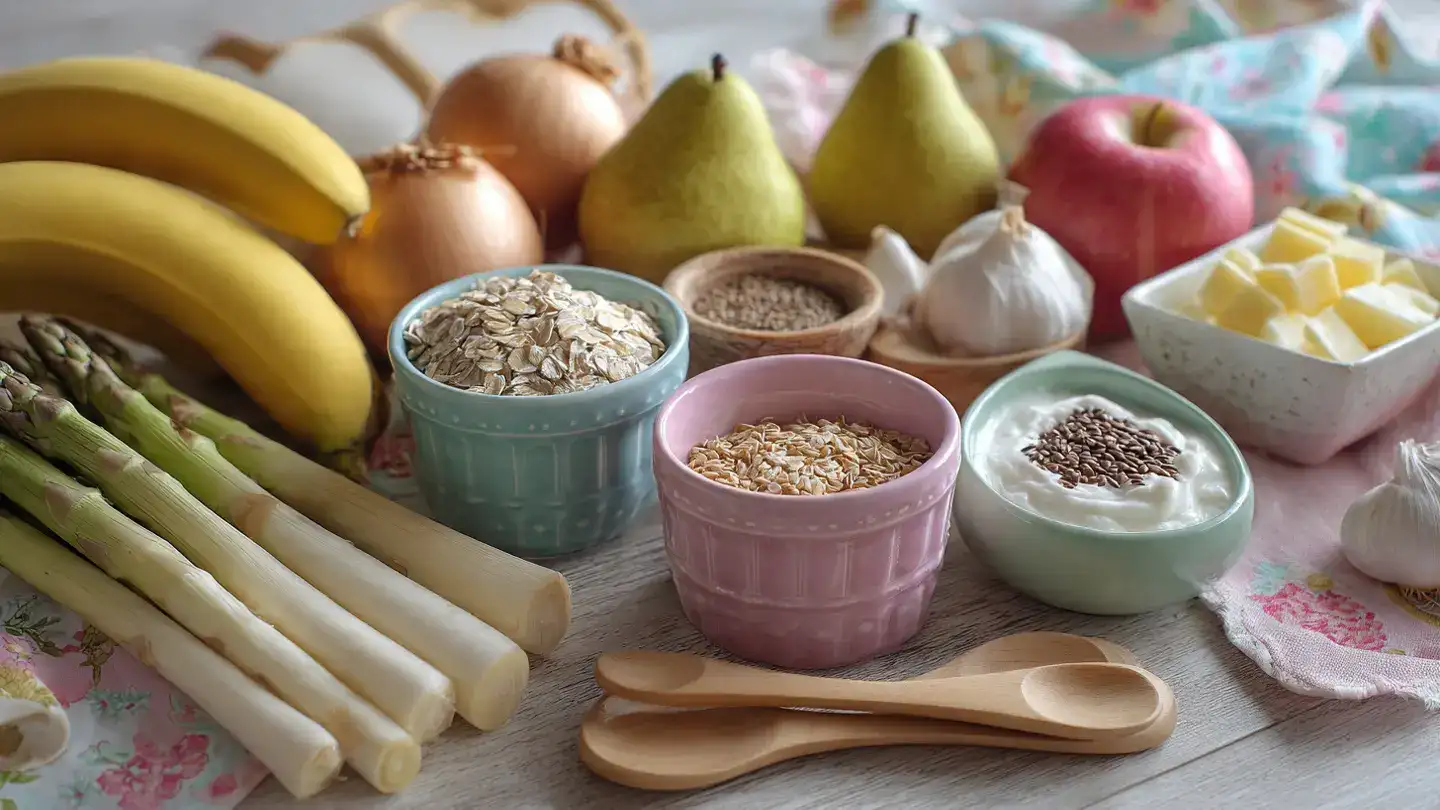
For children, a healthy gut can reduce digestive discomfort, improve nutrient uptake, and support overall development. Including prebiotic foods for kids in their diet ensures that their digestive system functions smoothly while also contributing to long-term health.
They can be added to breakfast cereals, smoothies, or simply eaten as a snack. Their natural sweetness makes them a favourite among children, making it easier to include them regularly in a healthy diet for kids .
They can be prepared as porridge, overnight oats, or even added to homemade snacks. Including oats regularly is a simple way to promote kids gut health while ensuring they feel full and energised.
Serving apples as slices with a bit of nut butter or adding them to salads can make them more appealing. Their crisp texture and mild sweetness make them a convenient option for everyday snacking.
Choosing plain yoghurt with live cultures and adding fruits like bananas or apples can create a nutritious snack that supports both digestion and immunity.
Incorporating garlic into soups, curries, and sauces allows children to enjoy its benefits without being overwhelmed by its flavour.
Cooking onions softens their flavour, making them more acceptable for children while still retaining their nutritional value.
Including whole grain bread, pasta, or rice alternatives in meals helps create a balanced and gut friendly diet for children.
Dishes like lentil soups or mild bean curries can be both comforting and nutritious, making them a valuable addition to a child’s diet.
Presentation also matters. Colourful plates and fun combinations can make meals more appealing. Encouraging children to participate in meal preparation can also increase their interest in trying new foods.
By focusing on simple, natural ingredients, parents can support their child’s digestive health in a sustainable way. Over time, these habits can contribute to stronger immunity, better digestion, and an overall sense of wellbeing that lasts well into adulthood.
Image Courtesy: Meta AI
Why Prebiotics Matter For Children
Prebiotics are a type of dietary fibre that the body cannot digest. Instead, they travel to the gut, where they nourish beneficial bacteria. This process helps maintain a balanced microbiome, which is essential for digestion and immune function.For children, a healthy gut can reduce digestive discomfort, improve nutrient uptake, and support overall development. Including prebiotic foods for kids in their diet ensures that their digestive system functions smoothly while also contributing to long-term health.
Bananas – A Simple Everyday Choice
Bananas are one of the easiest and most child-friendly prebiotic foods. Slightly unripe bananas, in particular, contain resistant starch that supports gut bacteria.They can be added to breakfast cereals, smoothies, or simply eaten as a snack. Their natural sweetness makes them a favourite among children, making it easier to include them regularly in a healthy diet for kids .
Oats – A Fibre-Rich Breakfast Staple
Oats are a versatile ingredient packed with soluble fibre that acts as a prebiotic. Starting the day with oats can help support digestion and provide sustained energy.They can be prepared as porridge, overnight oats, or even added to homemade snacks. Including oats regularly is a simple way to promote kids gut health while ensuring they feel full and energised.
Apples – Crunchy And Nutritious
Apples contain pectin, a type of fibre known for its prebiotic properties. This makes them beneficial for maintaining a healthy digestive system.Serving apples as slices with a bit of nut butter or adding them to salads can make them more appealing. Their crisp texture and mild sweetness make them a convenient option for everyday snacking.
Yogurt With Live Cultures – A Complementary Choice
While yoghurt is primarily known for probiotics, pairing it with prebiotic foods enhances its benefits. This combination supports a balanced gut environment.Choosing plain yoghurt with live cultures and adding fruits like bananas or apples can create a nutritious snack that supports both digestion and immunity.
Garlic – A Hidden Nutritional Boost
Garlic may not always be a child’s favourite, but when used in small amounts in cooking, it provides valuable prebiotic benefits. It supports the growth of beneficial gut bacteria and adds depth to dishes.Incorporating garlic into soups, curries, and sauces allows children to enjoy its benefits without being overwhelmed by its flavour.
Onions – Everyday Gut Support
Onions are another excellent source of prebiotics. They can be included in a variety of dishes, from stir-fries to sandwiches, making them easy to incorporate into daily meals.Cooking onions softens their flavour, making them more acceptable for children while still retaining their nutritional value.
Whole Grains – Building A Balanced Diet
Whole grains such as whole wheat and barley are rich in fibre that supports gut health. They provide a steady source of energy while also nourishing beneficial bacteria.Including whole grain bread, pasta, or rice alternatives in meals helps create a balanced and gut friendly diet for children.
Beans And Lentils – Protein With Benefits
Beans and lentils are excellent sources of both protein and prebiotic fibre. They support digestion while also contributing to muscle growth and overall nutrition.Dishes like lentil soups or mild bean curries can be both comforting and nutritious, making them a valuable addition to a child’s diet.
Tips For Introducing Prebiotic Foods To Kids
Introducing new foods to children requires patience and creativity. Start by adding small portions and gradually increasing them over time. Combining prebiotic foods with familiar flavours can make the transition smoother.Presentation also matters. Colourful plates and fun combinations can make meals more appealing. Encouraging children to participate in meal preparation can also increase their interest in trying new foods.
Building Healthy Habits For The Future
Creating a prebiotic rich diet for children is not about drastic changes but consistent, thoughtful choices. Including a variety of gut friendly foods ensures that children receive a wide range of nutrients essential for growth and development.By focusing on simple, natural ingredients, parents can support their child’s digestive health in a sustainable way. Over time, these habits can contribute to stronger immunity, better digestion, and an overall sense of wellbeing that lasts well into adulthood.
Image Courtesy: Meta AI
Next Story