
Boosting Heart Health With Indian Food Traditions: Timeless Eating Habits For A Stronger And Healthier Life

Indian food traditions have long been rooted in balance, seasonality, and mindful nourishment, making them naturally supportive of heart health when followed thoughtfully. Long before modern nutrition trends, everyday Indian meals were built around pulses, whole grains, vegetables, fermented foods, and medicinal spices that supported digestion, circulation, and overall vitality. By returning to these time-tested eating habits and making smart modern adjustments around oil, portion control, and processed foods, it becomes easier to support cholesterol balance, blood pressure, and long-term cardiovascular wellness without giving up familiar flavours or cultural comfort.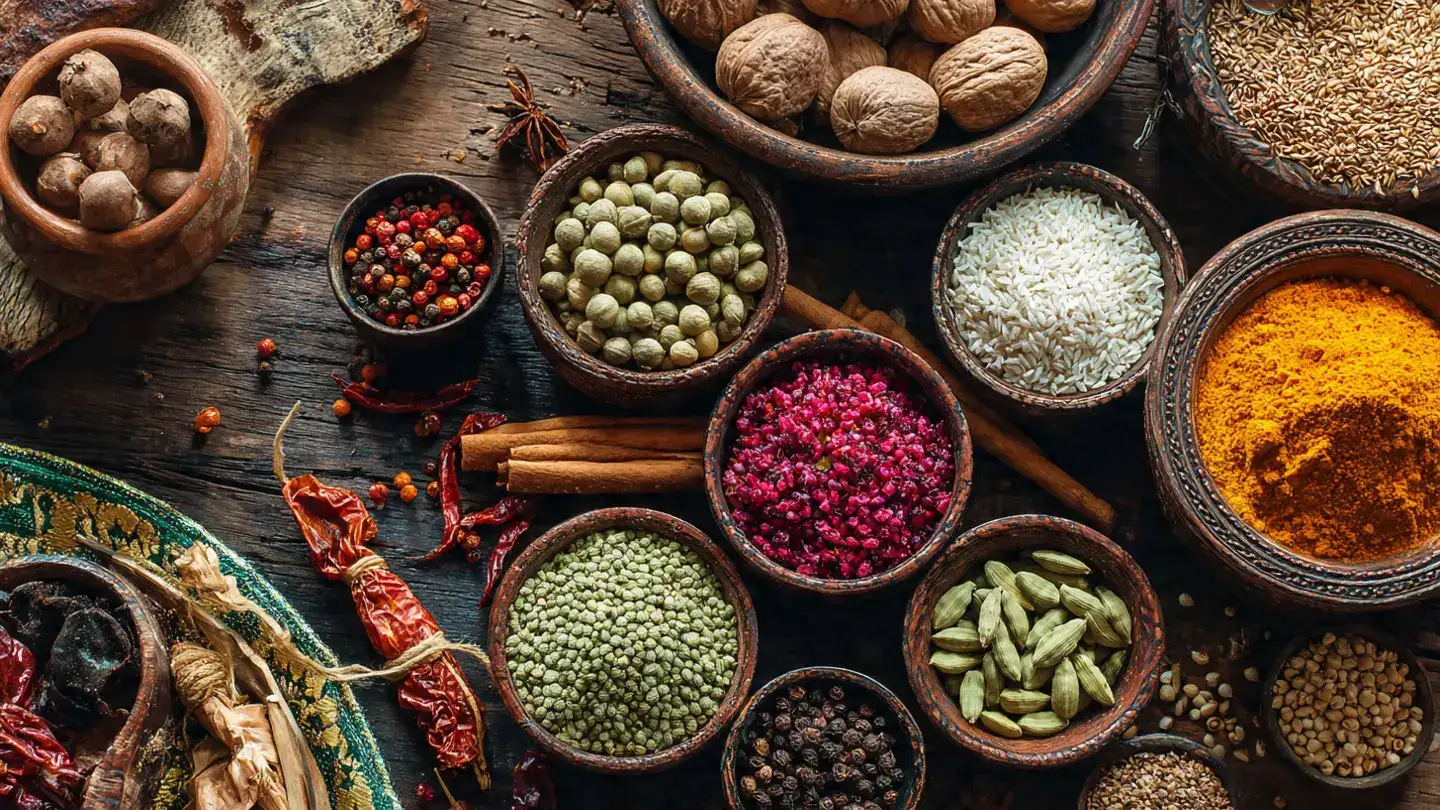
This variety supports heart health by combining fibre, plant protein, antioxidants, and healthy fats. Traditional Indian foods such as dal, sabzi, roti made from whole grains, curd, and chutneys offer nourishment without depending on highly processed ingredients.
Older Indian meal structures also encouraged mindful eating, regular meal times, and home-cooked food, all of which continue to support preventive heart wellness .
Foods like jowar, bajra, ragi, brown rice, red rice, and hand-pounded rice are rich in fibre, which helps support healthy cholesterol levels and improves satiety.
Pulses are equally valuable. Moong dal, masoor, chana, rajma, and whole lentils provide plant protein and soluble fibre, both of which are strongly linked with better cardiovascular support.
Including these foods in the daily diet helps reduce dependence on refined flour products while improving digestive health and steady energy release.
Turmeric contains curcumin, known for its anti-inflammatory properties. Garlic is often associated with supporting healthy cholesterol and circulation. Ginger may help support blood flow and digestion, while cumin and coriander can improve metabolism and gut health.
Cinnamon, fenugreek, and black pepper are also traditional staples that can complement a heart-friendly eating routine when used as part of balanced meals.
The strength of Indian food traditions lies in using these spices daily in practical quantities rather than as isolated wellness trends.
Steaming, pressure cooking, slow simmering, roasting, and light sautéing help preserve nutrients while keeping meals easier to digest.
Heart health improves when deep-fried foods, excessive ghee, and repeated reheating of oils are reduced. Traditional Indian meals did include ghee, but often in small quantities as a flavour enhancer rather than the main cooking medium.
Modern heart-smart adjustments can include using mustard oil, groundnut oil, sesame oil, or filtered oils in moderate amounts while prioritising cooking methods that need less fat.
Idli, dosa batter, homemade curd, kanji, dhokla, and fermented rice dishes support gut health by introducing beneficial bacteria.
A healthy gut plays an increasingly recognised role in heart health through its influence on inflammation, metabolism, and nutrient absorption.
This makes fermented Indian foods a valuable addition to a heart-supportive diet, especially when paired with fibre-rich vegetables and whole grains.
Traditional Indian households often encouraged sitting down for meals, eating freshly cooked food, avoiding distractions, and using seasonal produce. These habits naturally improve digestion and help reduce overeating.
Seasonal fruits such as guava, papaya, pomegranate, oranges, and amla provide antioxidants and vitamin C that further support blood vessel health.
Portion balance also matters. The ideal Indian plate for heart wellness should focus on more vegetables, adequate dal or protein, moderate grains, and limited sweets or fried accompaniments.
Breakfast can include vegetable upma, poha with peanuts, idli with sambar, or multigrain paratha with curd.
Lunch may feature millet roti, dal, seasonal sabzi, salad, and curd.
Dinner can be lighter with khichdi, vegetable soup, dal chilla, or brown rice with sautéed vegetables.
Snacks should favour roasted chana, fruit, nuts, makhana, or sprouts instead of packaged processed foods.
By combining traditional Indian foods with mindful cooking and portion control, heart health becomes easier to support in a realistic and culturally familiar way.
The real strength of Indian food traditions lies in their sustainability. They are not short-term diet trends but practical lifelong habits built around natural ingredients, moderation, and balance. When embraced with awareness, these traditions can remain one of the most effective and enjoyable ways to support a healthier heart.
Image Courtesy: Meta AI
Why Traditional Indian Eating Naturally Supports The Heart
One of the biggest strengths of Indian food traditions is variety. A well-balanced thali often includes grains, lentils, vegetables, curd, salads, and spices, creating a naturally diverse nutrient profile.This variety supports heart health by combining fibre, plant protein, antioxidants, and healthy fats. Traditional Indian foods such as dal, sabzi, roti made from whole grains, curd, and chutneys offer nourishment without depending on highly processed ingredients.
Older Indian meal structures also encouraged mindful eating, regular meal times, and home-cooked food, all of which continue to support preventive heart wellness .
Whole Grains, Millets And Pulses For Cholesterol Control
Refined carbohydrates have become common in modern diets, but Indian traditions originally leaned heavily on whole grains and millets.Foods like jowar, bajra, ragi, brown rice, red rice, and hand-pounded rice are rich in fibre, which helps support healthy cholesterol levels and improves satiety.
Pulses are equally valuable. Moong dal, masoor, chana, rajma, and whole lentils provide plant protein and soluble fibre, both of which are strongly linked with better cardiovascular support.
Including these foods in the daily diet helps reduce dependence on refined flour products while improving digestive health and steady energy release.
The Power Of Heart-Friendly Indian Spices
Indian kitchens are naturally rich in ingredients that support cardiovascular wellbeing.Turmeric contains curcumin, known for its anti-inflammatory properties. Garlic is often associated with supporting healthy cholesterol and circulation. Ginger may help support blood flow and digestion, while cumin and coriander can improve metabolism and gut health.
Cinnamon, fenugreek, and black pepper are also traditional staples that can complement a heart-friendly eating routine when used as part of balanced meals.
The strength of Indian food traditions lies in using these spices daily in practical quantities rather than as isolated wellness trends.
Healthy Cooking Methods Matter Too
Traditional cooking techniques can be just as important as ingredients.Steaming, pressure cooking, slow simmering, roasting, and light sautéing help preserve nutrients while keeping meals easier to digest.
Heart health improves when deep-fried foods, excessive ghee, and repeated reheating of oils are reduced. Traditional Indian meals did include ghee, but often in small quantities as a flavour enhancer rather than the main cooking medium.
Modern heart-smart adjustments can include using mustard oil, groundnut oil, sesame oil, or filtered oils in moderate amounts while prioritising cooking methods that need less fat.
Fermented Foods And Gut-Heart Connection
One overlooked strength of Indian food traditions is fermented food culture.Idli, dosa batter, homemade curd, kanji, dhokla, and fermented rice dishes support gut health by introducing beneficial bacteria.
A healthy gut plays an increasingly recognised role in heart health through its influence on inflammation, metabolism, and nutrient absorption.
This makes fermented Indian foods a valuable addition to a heart-supportive diet, especially when paired with fibre-rich vegetables and whole grains.
Smart Traditional Eating Habits Beyond Ingredients
Heart wellness is not only about what is eaten but also how food is consumed.Traditional Indian households often encouraged sitting down for meals, eating freshly cooked food, avoiding distractions, and using seasonal produce. These habits naturally improve digestion and help reduce overeating.
Seasonal fruits such as guava, papaya, pomegranate, oranges, and amla provide antioxidants and vitamin C that further support blood vessel health.
Portion balance also matters. The ideal Indian plate for heart wellness should focus on more vegetables, adequate dal or protein, moderate grains, and limited sweets or fried accompaniments.
You may also like
- India's first seaplane operator completes key test flight in Rishikesh; key details here
- 22 flowers that can be deadly for pets, warn experts: 7 alternatives that are safe blooms in bouquets
- Major Relief for WhatsApp Users: Deadline for SIM Binding Rules Extended; Time Granted Until December 31, 2026..
- What is the Digital Rupee, and how does it work? Learn how it differs from UPI or cash, and understand its benefits and full details..
- Armaan Malik's Pune concert rescheduled: What's really going on?
Building A Modern Heart-Healthy Indian Plate
The beauty of Indian food traditions is that they can be easily adapted for modern preventive health.Breakfast can include vegetable upma, poha with peanuts, idli with sambar, or multigrain paratha with curd.
Lunch may feature millet roti, dal, seasonal sabzi, salad, and curd.
Dinner can be lighter with khichdi, vegetable soup, dal chilla, or brown rice with sautéed vegetables.
Snacks should favour roasted chana, fruit, nuts, makhana, or sprouts instead of packaged processed foods.
By combining traditional Indian foods with mindful cooking and portion control, heart health becomes easier to support in a realistic and culturally familiar way.
The real strength of Indian food traditions lies in their sustainability. They are not short-term diet trends but practical lifelong habits built around natural ingredients, moderation, and balance. When embraced with awareness, these traditions can remain one of the most effective and enjoyable ways to support a healthier heart.
Image Courtesy: Meta AI






More from our partners


Loving Newspoint? Download the app now
