
Is Your Bottled Water Truly Clean? Easy Ways to Find Out

We often grab a bottle of water assuming it’s clean, safe, and packed with essential minerals. But here’s the catch, not every bottled water you buy is as pure as it looks.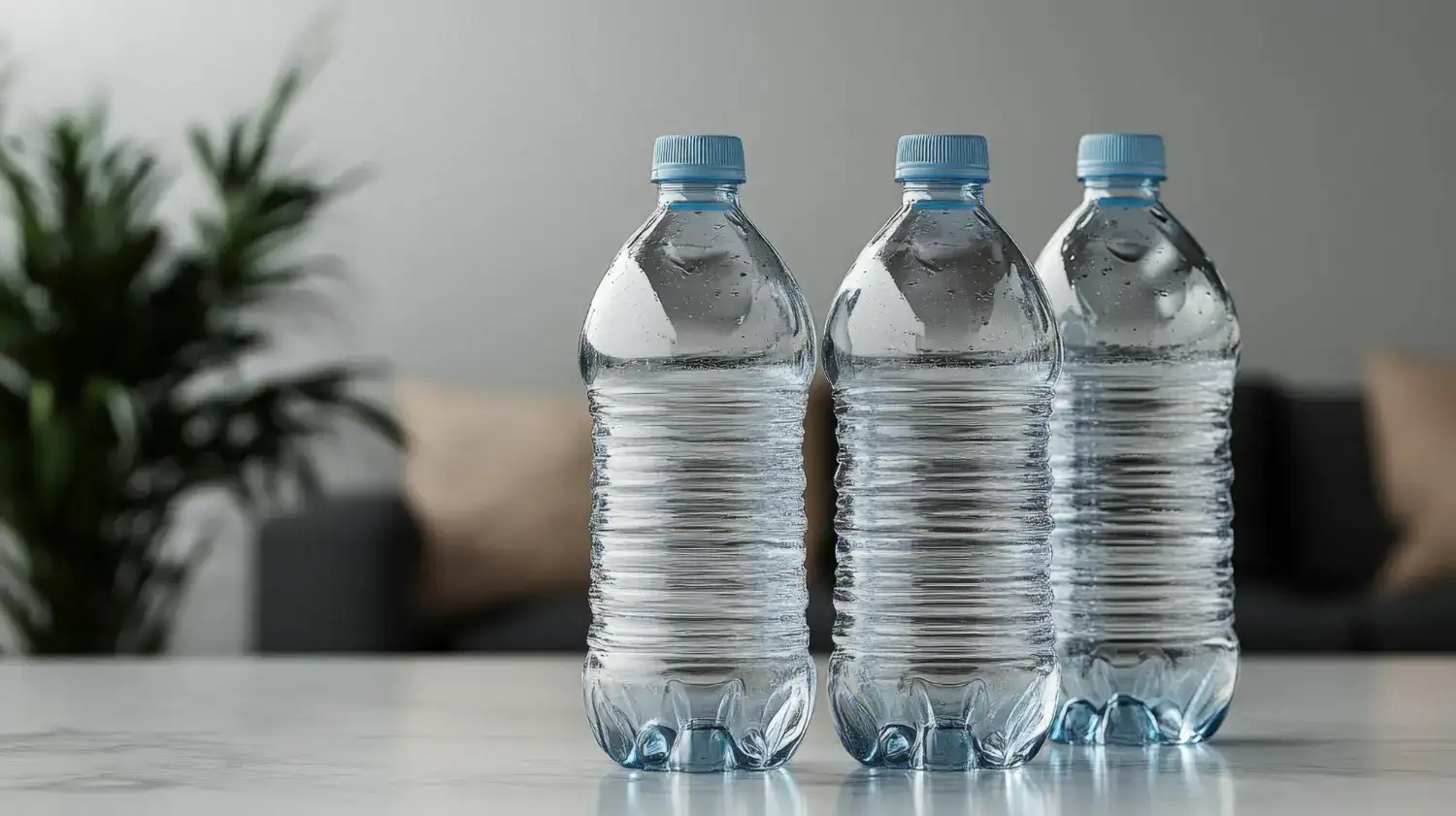
Not All Bottled Water Is What It Claims
Our body depends on clean, mineral-rich water just like it needs healthy food. While experts suggest drinking 2-3 litres daily, convenience often pushes us to buy bottled water. The problem? Many of these bottles may not actually contain the quality water we expect.
A Market Full of Choices
From small 1-litre bottles to large 5-litre cans, bottled water is available everywhere and at different price points, starting as low as ₹10. But price doesn’t always guarantee purity.
When Bottled Water Is Just Tap Water
Surprisingly, some companies simply package regular tap water and sell it as bottled water. Without checking, it’s easy to assume you’re drinking safe mineral water when you’re not.
The Simple Label Check You Shouldn’t Ignore
Want to know what you’re really drinking? Take a closer look at the label. A key term to watch for is 'PWS.' This small detail can reveal a lot about the water inside.
What Does 'PWS' Actually Mean?
'PWS' stands for Public Water Source. In simple terms, it means the water comes from a public supply, like tap water, not from a natural mineral spring. After past controversies, companies are required to clearly mention the source on the label, making it easier for consumers to decide.
Is Drinking Tap Water Harmful?
Tap water does contain minerals like calcium, magnesium, and potassium, which are beneficial. Drinking it occasionally may not cause immediate harm. However, regular consumption of untreated or poorly processed tap water can lead to issues like stomach infections, diarrhoea, vomiting, and even serious diseases such as hepatitis, cholera, or typhoid.
Next time you pick up a bottle, don’t just trust the packaging, read the label. A quick check can help you make a smarter, safer choice for your health.
Not All Bottled Water Is What It Claims
Our body depends on clean, mineral-rich water just like it needs healthy food. While experts suggest drinking 2-3 litres daily, convenience often pushes us to buy bottled water. The problem? Many of these bottles may not actually contain the quality water we expect. A Market Full of Choices
From small 1-litre bottles to large 5-litre cans, bottled water is available everywhere and at different price points, starting as low as ₹10. But price doesn’t always guarantee purity.You may also like
- Samsung's 200MP camera phone is available for ₹36,000 less! Great deals are available here; learn how to take advantage.
- Pancreatic Cancer Causes: Pancreatic cancer is a silent killer! Recognize these signs of jaundice and changes in digestion early.
- Fruits To Avoid During Periods: Women should not eat these fruits during periods, as they can cause major problems.
- Eye drops side effects: Do you use eye drops without consulting a doctor? It can lead to loss of vision.
- Health Tests In Your 30s: These diseases can develop in your body after you cross the age of 30; don't forget to avoid these tests.
When Bottled Water Is Just Tap Water
Surprisingly, some companies simply package regular tap water and sell it as bottled water. Without checking, it’s easy to assume you’re drinking safe mineral water when you’re not. The Simple Label Check You Shouldn’t Ignore
Want to know what you’re really drinking? Take a closer look at the label. A key term to watch for is 'PWS.' This small detail can reveal a lot about the water inside.What Does 'PWS' Actually Mean?
'PWS' stands for Public Water Source. In simple terms, it means the water comes from a public supply, like tap water, not from a natural mineral spring. After past controversies, companies are required to clearly mention the source on the label, making it easier for consumers to decide. Is Drinking Tap Water Harmful?
Tap water does contain minerals like calcium, magnesium, and potassium, which are beneficial. Drinking it occasionally may not cause immediate harm. However, regular consumption of untreated or poorly processed tap water can lead to issues like stomach infections, diarrhoea, vomiting, and even serious diseases such as hepatitis, cholera, or typhoid. Next time you pick up a bottle, don’t just trust the packaging, read the label. A quick check can help you make a smarter, safer choice for your health.






More from our partners


Loving Newspoint? Download the app now
