
Breathing Exercises That Instantly Calm Your Nerves And Help You Relax Naturally

Powerful Breathing Exercises That Instantly Calm Your Nerves And Reduce Stress: Stress and anxiety have become common experiences in modern life. Busy schedules, work pressure, financial concerns and constant digital distractions can leave many people feeling overwhelmed. While there are many ways to manage stress, breathing techniques remain one of the simplest and most effective methods to calm the mind and body. The way we breathe directly affects the nervous system, heart rate and emotional balance. Practising breathing exercises that instantly calm your nerves can help restore a sense of control during tense moments. These techniques are easy to learn, require no equipment and can be practised almost anywhere, making them a powerful tool for improving daily wellbeing.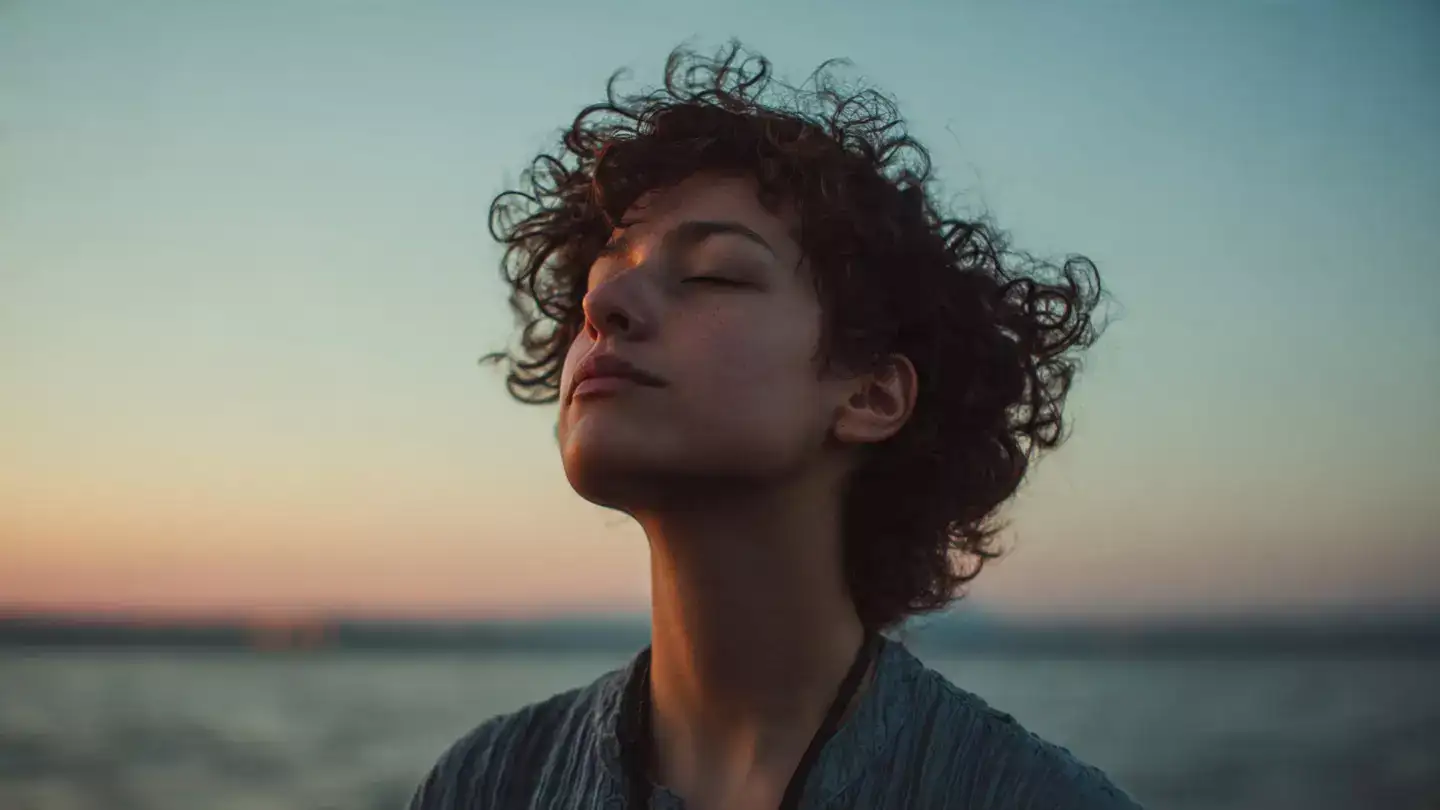
Deep breathing exercises , on the other hand, activate the parasympathetic nervous system, which helps the body relax. Slow and controlled breathing can lower heart rate, reduce muscle tension and encourage a calmer mental state.
Another benefit of breathing techniques for stress relief is their immediate impact. Unlike some stress management methods that require long-term practice, breathing exercises can produce noticeable results within minutes. By focusing attention on the rhythm of breathing, the mind also becomes less occupied with worrying thoughts.
Practising these techniques regularly can improve emotional resilience and help people manage everyday stress more effectively.
To practise this technique, sit comfortably or lie down in a relaxed position. Place one hand on the chest and the other on the stomach. Slowly inhale through the nose while allowing the stomach to expand outward. The chest should remain relatively still while the abdomen rises.
After inhaling deeply, exhale slowly through the mouth. The stomach should gently fall back toward the body. This slow breathing pattern encourages the body to shift into a more relaxed state.
Practising deep belly breathing for a few minutes can help reduce tension and create a noticeable sense of calm.
Begin by inhaling slowly through the nose while counting to four. Hold the breath gently for another count of four. Then exhale slowly through the mouth while counting to four again.
Repeating this cycle several times encourages steady breathing and helps regulate oxygen flow in the body. The structured rhythm also shifts attention away from stressful thoughts, making it easier to relax.
Because of its simplicity, the 4-4-4 breathing technique can be practised almost anywhere, including at work, while travelling or before an important meeting.
To practise this technique, sit comfortably and relax your shoulders. Use the thumb of one hand to gently close one nostril while inhaling through the other. After inhaling, close the second nostril and release the first one while exhaling.
The process is then repeated on the opposite side. This alternating breathing pattern encourages steady airflow and promotes balance within the nervous system.
Many people find that practising this technique for a few minutes helps improve concentration while also reducing feelings of tension.
Start by inhaling slowly through the nose for a couple of seconds. Then exhale gently through the mouth while keeping the lips slightly pursed, as if blowing out a candle.
The exhalation should be longer than the inhalation, which helps slow the breathing rhythm and encourage relaxation. This method is particularly helpful when a person feels breathless or overwhelmed.
Regular practice of pursed lip breathing can support relaxation and improve breathing efficiency during stressful situations.
Many people find it helpful to set aside a few minutes each day to practise deep breathing. Early morning or before bedtime can be ideal times because the environment is usually quieter and more peaceful.
Breathing exercises can also be combined with other relaxation methods such as meditation, gentle stretching or quiet reflection. Over time, these practices can contribute to improved emotional balance and mental clarity.
When stress appears unexpectedly, these breathing techniques provide a simple and natural way to regain calm and stability. With consistent practice, breathing exercises that instantly calm your nerves can become a valuable tool for maintaining both mental and physical wellbeing.
Image Courtesy: Meta AI
Why Breathing Exercises Help Reduce Stress
Breathing is closely connected to the body’s stress response. When a person feels anxious or nervous, breathing often becomes shallow and rapid. This type of breathing signals the body to remain in a heightened state of alertness.Deep breathing exercises , on the other hand, activate the parasympathetic nervous system, which helps the body relax. Slow and controlled breathing can lower heart rate, reduce muscle tension and encourage a calmer mental state.
Another benefit of breathing techniques for stress relief is their immediate impact. Unlike some stress management methods that require long-term practice, breathing exercises can produce noticeable results within minutes. By focusing attention on the rhythm of breathing, the mind also becomes less occupied with worrying thoughts.
Practising these techniques regularly can improve emotional resilience and help people manage everyday stress more effectively.
Deep Belly Breathing For Instant Relaxation
One of the most effective breathing exercises to calm nerves is deep belly breathing, also known as diaphragmatic breathing. This method focuses on filling the lungs completely and allowing the diaphragm to move naturally.To practise this technique, sit comfortably or lie down in a relaxed position. Place one hand on the chest and the other on the stomach. Slowly inhale through the nose while allowing the stomach to expand outward. The chest should remain relatively still while the abdomen rises.
After inhaling deeply, exhale slowly through the mouth. The stomach should gently fall back toward the body. This slow breathing pattern encourages the body to shift into a more relaxed state.
Practising deep belly breathing for a few minutes can help reduce tension and create a noticeable sense of calm.
The 4-4-4 Breathing Technique
Another simple and widely used method among stress relief breathing techniques is the 4-4-4 breathing pattern. This technique is particularly useful during moments of sudden stress or anxiety.Begin by inhaling slowly through the nose while counting to four. Hold the breath gently for another count of four. Then exhale slowly through the mouth while counting to four again.
Repeating this cycle several times encourages steady breathing and helps regulate oxygen flow in the body. The structured rhythm also shifts attention away from stressful thoughts, making it easier to relax.
Because of its simplicity, the 4-4-4 breathing technique can be practised almost anywhere, including at work, while travelling or before an important meeting.
Alternate Nostril Breathing For Mental Balance
Alternate nostril breathing is a traditional breathing practice that many people use to improve mental focus and relaxation. It involves controlling airflow through one nostril at a time.To practise this technique, sit comfortably and relax your shoulders. Use the thumb of one hand to gently close one nostril while inhaling through the other. After inhaling, close the second nostril and release the first one while exhaling.
The process is then repeated on the opposite side. This alternating breathing pattern encourages steady airflow and promotes balance within the nervous system.
Many people find that practising this technique for a few minutes helps improve concentration while also reducing feelings of tension.
Pursed Lip Breathing To Slow The Body Down
Pursed lip breathing is another useful method for calming the body quickly. This technique helps slow breathing and improve the exchange of oxygen and carbon dioxide in the lungs.Start by inhaling slowly through the nose for a couple of seconds. Then exhale gently through the mouth while keeping the lips slightly pursed, as if blowing out a candle.
You may also like
- Kritika Kamra & Gaurav Kapur's Private Love Story and Wedding
- Effective Home Remedies to Ward Off Evil Eye
- Another Dubai viral dessert hits Hyderabad – We tried it
- Preterm birth in India: Causes, treatment, and how early care is improving survival of premature babies
- PM Kisan Yojana: Tomorrow, Rs 2,000 will be deposited in the accounts of farmers, but these farmers will not get the money..
The exhalation should be longer than the inhalation, which helps slow the breathing rhythm and encourage relaxation. This method is particularly helpful when a person feels breathless or overwhelmed.
Regular practice of pursed lip breathing can support relaxation and improve breathing efficiency during stressful situations.
Making Breathing Exercises A Daily Habit
Learning breathing exercises for relaxation is only the first step. Practising them regularly can help strengthen their effect over time.Many people find it helpful to set aside a few minutes each day to practise deep breathing. Early morning or before bedtime can be ideal times because the environment is usually quieter and more peaceful.
Breathing exercises can also be combined with other relaxation methods such as meditation, gentle stretching or quiet reflection. Over time, these practices can contribute to improved emotional balance and mental clarity.
When stress appears unexpectedly, these breathing techniques provide a simple and natural way to regain calm and stability. With consistent practice, breathing exercises that instantly calm your nerves can become a valuable tool for maintaining both mental and physical wellbeing.
Image Courtesy: Meta AI






More from our partners


Loving Newspoint? Download the app now
