
Brown Rice vs White Rice: Which One Is Actually Better for Your Health and Should You Make the Switch?

Brown Rice or White Rice — What the Science Actually Says About Nutrition, Digestion and Long-Term Health: Rice is one of the most widely consumed staple foods on the planet, feeding billions of people across Asia, Africa, the Middle East, and beyond. Yet despite its universal presence on dinner tables worldwide, a surprisingly heated debate continues to simmer in nutrition circles and kitchen conversations alike: is brown rice genuinely better for you than white rice, or is the difference overstated? With so much conflicting advice circulating online, it is time to look at what the evidence actually says — clearly, fairly, and without unnecessary alarmism.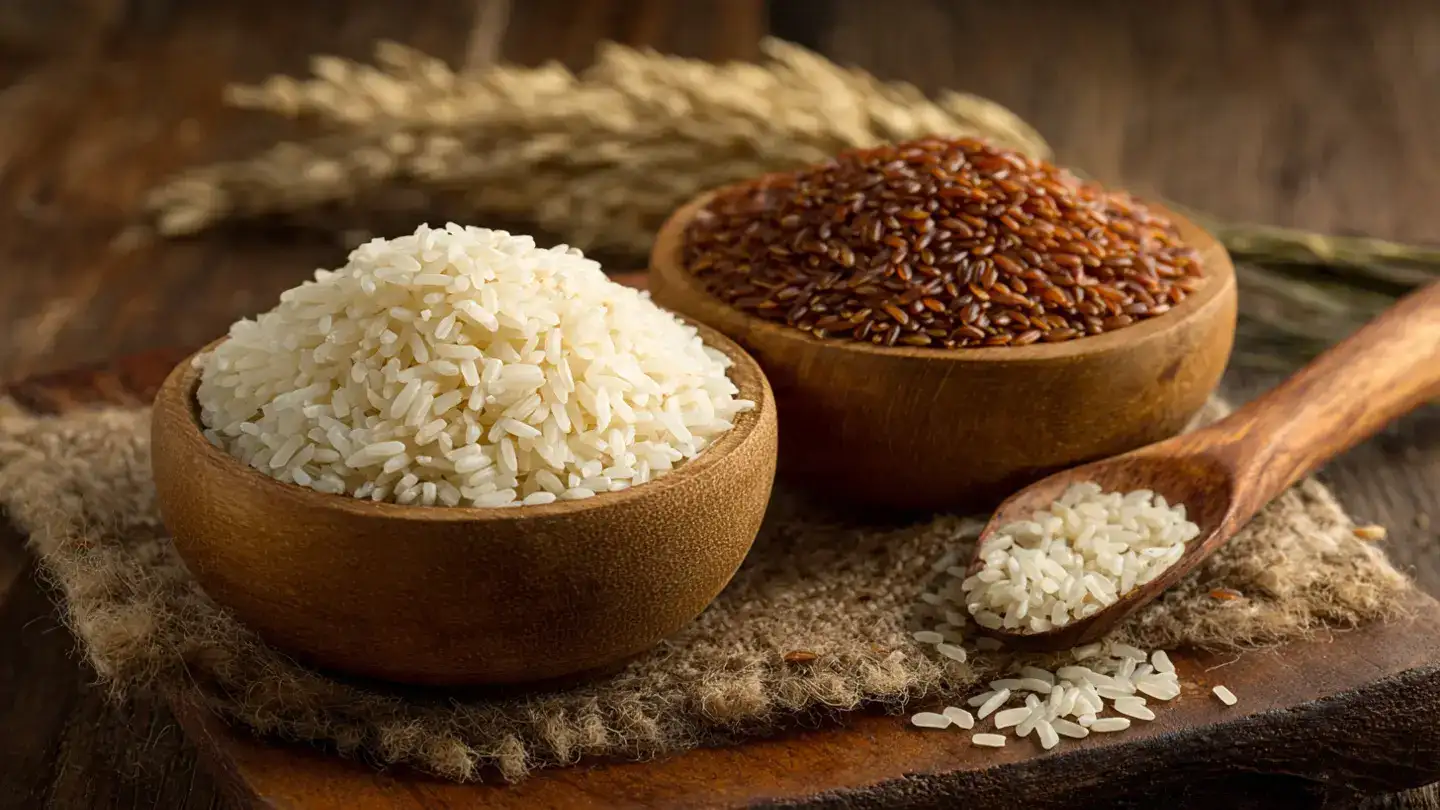
Brown rice is a whole grain. It retains its outer bran layer and the nutrient-rich germ, with only the inedible hull removed during milling. White rice, by contrast, has been milled further to remove both the bran and the germ, leaving primarily the starchy endosperm behind. This additional processing is what gives white rice its softer texture, milder flavour, and longer shelf life — but it also strips away a significant portion of its nutritional content.
White rice, after milling, loses much of this nutritional profile. In many countries, including the United Kingdom and the United States, white rice is therefore routinely enriched — meaning certain B vitamins and iron are added back artificially after processing. This helps close part of the nutritional gap, but it does not fully replicate what was naturally present in the whole grain.
This distinction matters considerably for people managing type 2 diabetes, insulin resistance, or those simply trying to maintain steadier energy levels throughout the day. Foods with a lower glycaemic index produce a more gradual rise in blood sugar, reducing the risk of energy spikes and crashes. For this reason, brown rice is often recommended as part of a diabetic-friendly or low-GI diet.
That said, portion size and overall dietary pattern matter far more than the choice between brown and white rice alone. Someone eating large quantities of brown rice alongside a calorie-dense diet will not automatically lose weight, just as someone eating modest portions of white rice as part of a balanced, vegetable-rich diet is unlikely to struggle with their weight on that basis alone.
Brown rice, whilst beneficial for most healthy adults, can cause bloating or discomfort in individuals with sensitive digestive systems — particularly if they are not accustomed to a high-fibre diet. Introducing it gradually rather than switching abruptly is advisable for those prone to digestive issues.
The health impact of any food is inseparable from the broader dietary and lifestyle context in which it is eaten. White rice paired with vegetables, lean protein, and fermented foods — as is common in traditional Japanese cuisine — behaves very differently from white rice eaten alongside processed meats and sugary sauces in a Western dietary pattern.
However, white rice is not a food to fear. It remains a perfectly valid staple when eaten mindfully, in appropriate portions, and as part of a genuinely balanced diet. For those with digestive sensitivities, certain health conditions, or strong cultural ties to white rice, insisting on a wholesale switch is neither necessary nor realistic.
The more useful question is not which rice is healthier in isolation, but how rice fits into everything else on your plate — and in your life.
Image Courtesy: Meta AI
Understanding the Key Difference Between Brown and White Rice
Before comparing the two, it helps to understand what sets them apart structurally. Both brown rice and white rice come from the same grain. The difference lies in how they are processed.Brown rice is a whole grain. It retains its outer bran layer and the nutrient-rich germ, with only the inedible hull removed during milling. White rice, by contrast, has been milled further to remove both the bran and the germ, leaving primarily the starchy endosperm behind. This additional processing is what gives white rice its softer texture, milder flavour, and longer shelf life — but it also strips away a significant portion of its nutritional content.
Nutritional Comparison: What Each Rice Actually Contains
When you compare equivalent portions — say, 100 grams of cooked rice — the differences become clear. Brown rice contains more fibre, more B vitamins (including thiamine, niacin, and B6), more magnesium, phosphorus, and antioxidants than white rice. It also retains more protein per serving, though the difference is modest.White rice, after milling, loses much of this nutritional profile. In many countries, including the United Kingdom and the United States, white rice is therefore routinely enriched — meaning certain B vitamins and iron are added back artificially after processing. This helps close part of the nutritional gap, but it does not fully replicate what was naturally present in the whole grain.
Glycaemic Index: How Each Rice Affects Blood Sugar
One of the most significant differences between the two is their glycaemic index (GI) — a measure of how quickly a food raises blood sugar levels after consumption. White rice has a relatively high GI, typically ranging between 64 and 72 depending on the variety and cooking method. Brown rice, with its intact bran layer slowing digestion, has a lower GI, generally falling between 50 and 55.This distinction matters considerably for people managing type 2 diabetes, insulin resistance, or those simply trying to maintain steadier energy levels throughout the day. Foods with a lower glycaemic index produce a more gradual rise in blood sugar, reducing the risk of energy spikes and crashes. For this reason, brown rice is often recommended as part of a diabetic-friendly or low-GI diet.
Brown Rice and Weight Management
The higher fibre content in brown rice plays a meaningful role in satiety — the feeling of fullness after eating. Dietary fibre slows digestion and helps you feel satisfied for longer, which can reduce overall calorie intake across the day. This makes brown rice a sensible choice for those using rice for weight loss or trying to manage their appetite more effectively.That said, portion size and overall dietary pattern matter far more than the choice between brown and white rice alone. Someone eating large quantities of brown rice alongside a calorie-dense diet will not automatically lose weight, just as someone eating modest portions of white rice as part of a balanced, vegetable-rich diet is unlikely to struggle with their weight on that basis alone.
Digestibility and Gut Health
White rice is significantly easier to digest than brown rice, which is precisely why it is so often recommended for people recovering from illness, digestive upset, or gastrointestinal conditions such as irritable bowel syndrome (IBS). The lower fibre content means less work for the digestive system, making it a gentle and easily tolerated food during periods of gut sensitivity.Brown rice, whilst beneficial for most healthy adults, can cause bloating or discomfort in individuals with sensitive digestive systems — particularly if they are not accustomed to a high-fibre diet. Introducing it gradually rather than switching abruptly is advisable for those prone to digestive issues.
The Case for White Rice: Cultural Context and Practical Reality
It would be reductive to dismiss white rice as simply an inferior food. Across Japan, South Korea, and large parts of South and Southeast Asia, white rice has been a dietary cornerstone for thousands of years, eaten daily by populations with historically low rates of obesity and heart disease. This suggests that white rice, consumed as part of a varied, plant-rich diet, is far from inherently harmful.The health impact of any food is inseparable from the broader dietary and lifestyle context in which it is eaten. White rice paired with vegetables, lean protein, and fermented foods — as is common in traditional Japanese cuisine — behaves very differently from white rice eaten alongside processed meats and sugary sauces in a Western dietary pattern.
Which Rice Should You Choose?
For most healthy adults with no specific dietary requirements, brown rice is the nutritionally superior choice — offering more fibre, more micronutrients, and a lower glycaemic index. These advantages are meaningful and well-supported by nutritional science.However, white rice is not a food to fear. It remains a perfectly valid staple when eaten mindfully, in appropriate portions, and as part of a genuinely balanced diet. For those with digestive sensitivities, certain health conditions, or strong cultural ties to white rice, insisting on a wholesale switch is neither necessary nor realistic.
The more useful question is not which rice is healthier in isolation, but how rice fits into everything else on your plate — and in your life.
Image Courtesy: Meta AI
Next Story