
Butter Vs Ghee: Which One Is Healthier And Better For Daily Cooking

Butter Vs Ghee ; Nutritional Differences Benefits And Which Is Better For Your Diet: Butter and ghee are two of the most widely used dairy-based cooking fats across the world, particularly in Indian kitchens. Both are made from milk and share a similar rich taste, yet they differ in their preparation, nutritional profile and cooking properties. For many people trying to eat healthier, the question often arises about butter vs ghee and which one should be preferred for daily consumption. While butter is commonly used for baking and spreads, ghee has been an essential ingredient in traditional cooking for centuries. Understanding the difference between butter and ghee can help people make more informed choices depending on their dietary needs, cooking style and health goals.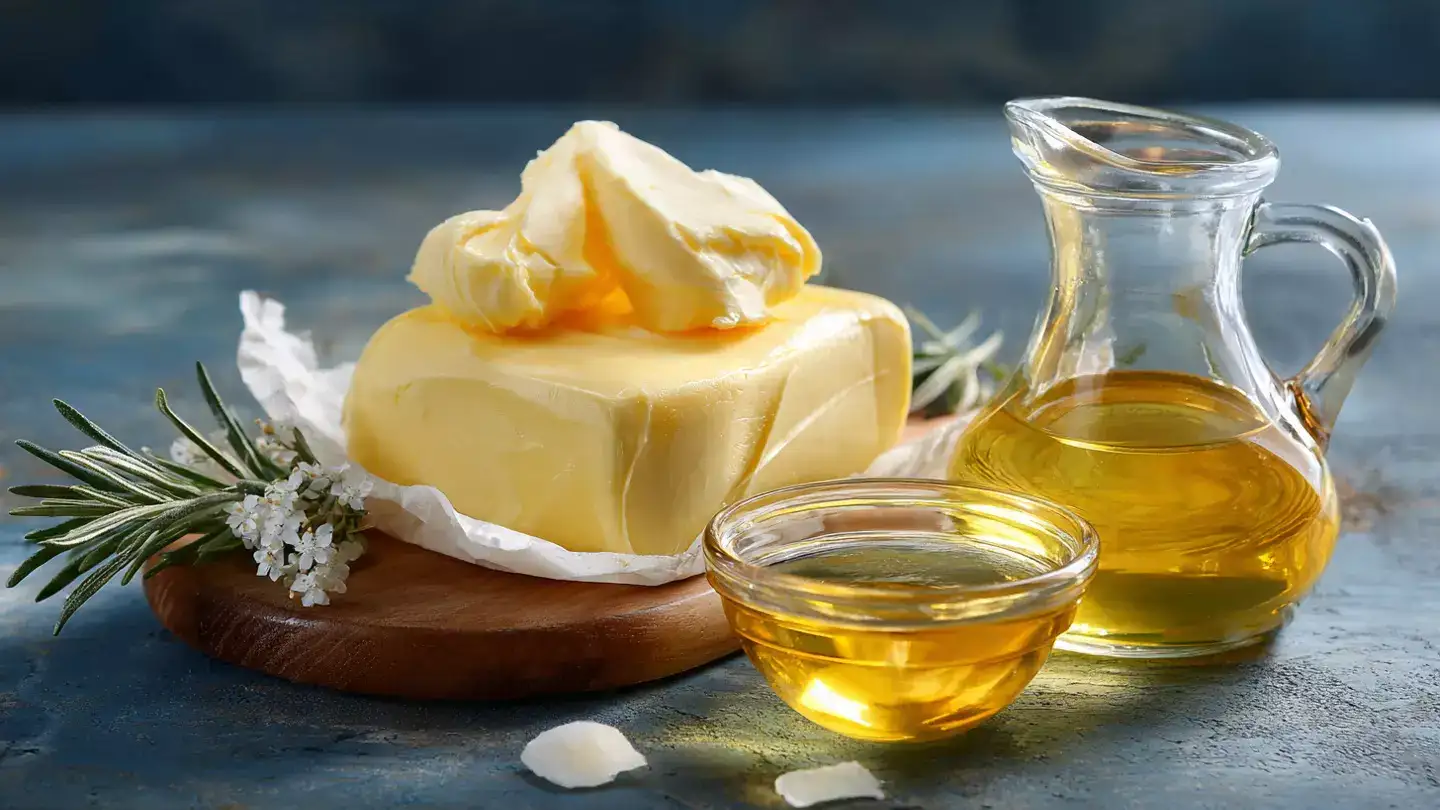
Ghee, on the other hand, is produced by slowly heating butter to remove its water content and milk solids. During this process, the butter melts and the milk particles settle at the bottom while the clear golden fat rises to the top. This purified fat is what we know as ghee.
Because ghee goes through this additional clarification process, it becomes more concentrated in fat and develops a distinctive nutty aroma that many people enjoy in cooking.
Ghee is almost pure fat because the water and milk components are removed during preparation. This makes it slightly higher in calories per spoon than butter. However, it also contains fat-soluble vitamins and certain beneficial fatty acids.
One reason ghee vs butter health benefits are often discussed is because ghee contains very small amounts of lactose and casein due to the removal of milk solids. This makes it easier to digest for some individuals who are sensitive to dairy components.
Butter has a relatively lower smoke point because the milk solids present in it burn quickly when exposed to high heat. This makes butter more suitable for low to medium heat cooking, baking and spreading on bread.
Ghee, however, can withstand much higher temperatures without burning. Because of this property, cooking with butter vs ghee often depends on the type of dish being prepared. Ghee is generally preferred for frying, sautéing and traditional Indian cooking where high heat is required.
Ghee offers a deeper, richer taste with a slightly nutty aroma. This flavour develops during the heating process when milk solids caramelise before being removed.
In many traditional dishes, ghee enhances the overall taste and gives food a distinctive aroma that butter cannot fully replicate. This is why ghee has remained a staple in many cuisines for generations.
Ghee, due to the removal of moisture and milk solids, has a much longer shelf life. When stored properly in an airtight container, it can remain stable for extended periods even at room temperature.
This longer shelf stability makes ghee a convenient option for households that prefer ingredients with minimal refrigeration requirements.
Some nutrition experts suggest that moderate amounts of ghee may support digestion and energy levels because of its fatty acid composition. Others prefer butter for its natural dairy flavour and slightly lower fat concentration.
In reality, the healthier option depends largely on portion size and overall diet quality. Using either butter or ghee sparingly while maintaining a balanced diet rich in fruits, vegetables and whole grains is generally considered the best approach.
However, if you often cook at higher temperatures or prepare traditional Indian dishes, ghee may be the more practical choice due to its stability and flavour.
Understanding butter vs ghee allows consumers to use both wisely in the kitchen rather than viewing one as entirely better than the other. Each has its own role in cooking, taste and nutrition. By using them thoughtfully and in moderation, both butter and ghee can remain part of a balanced and enjoyable diet.
Image Courtesy: Meta AI
How Butter And Ghee Are Made
The key difference between butter and ghee begins with how each product is prepared. Butter is made by churning fresh cream until the fat separates from the liquid, resulting in a creamy and solid dairy product that still contains water and milk solids.Ghee, on the other hand, is produced by slowly heating butter to remove its water content and milk solids. During this process, the butter melts and the milk particles settle at the bottom while the clear golden fat rises to the top. This purified fat is what we know as ghee.
Because ghee goes through this additional clarification process, it becomes more concentrated in fat and develops a distinctive nutty aroma that many people enjoy in cooking.
Nutritional Difference Between Butter And Ghee
When comparing butter vs ghee nutritionally, both are high in fats and calories, but their composition differs slightly. Butter usually contains around 80 percent fat along with small amounts of water and milk solids. It also provides vitamins such as vitamin A and small amounts of vitamin D and vitamin E.Ghee is almost pure fat because the water and milk components are removed during preparation. This makes it slightly higher in calories per spoon than butter. However, it also contains fat-soluble vitamins and certain beneficial fatty acids.
One reason ghee vs butter health benefits are often discussed is because ghee contains very small amounts of lactose and casein due to the removal of milk solids. This makes it easier to digest for some individuals who are sensitive to dairy components.
Cooking Properties And Smoke Point
One major advantage of ghee over butter is its higher smoke point. The smoke point refers to the temperature at which fat begins to burn and break down.Butter has a relatively lower smoke point because the milk solids present in it burn quickly when exposed to high heat. This makes butter more suitable for low to medium heat cooking, baking and spreading on bread.
Ghee, however, can withstand much higher temperatures without burning. Because of this property, cooking with butter vs ghee often depends on the type of dish being prepared. Ghee is generally preferred for frying, sautéing and traditional Indian cooking where high heat is required.
Taste And Aroma Differences
Taste plays a significant role when choosing between butter and ghee. Butter has a creamy and slightly sweet flavour that works well in baked goods, sauces and spreads.Ghee offers a deeper, richer taste with a slightly nutty aroma. This flavour develops during the heating process when milk solids caramelise before being removed.
In many traditional dishes, ghee enhances the overall taste and gives food a distinctive aroma that butter cannot fully replicate. This is why ghee has remained a staple in many cuisines for generations.
Shelf Life And Storage
Another practical difference between butter and ghee lies in their shelf life. Butter contains water and milk solids, which means it spoils faster and must usually be stored in a refrigerator.Ghee, due to the removal of moisture and milk solids, has a much longer shelf life. When stored properly in an airtight container, it can remain stable for extended periods even at room temperature.
This longer shelf stability makes ghee a convenient option for households that prefer ingredients with minimal refrigeration requirements.
Health Considerations And Moderation
The debate around which is healthier butter or ghee often depends on individual dietary habits. Both contain saturated fats, which should be consumed in moderation as part of a balanced diet.Some nutrition experts suggest that moderate amounts of ghee may support digestion and energy levels because of its fatty acid composition. Others prefer butter for its natural dairy flavour and slightly lower fat concentration.
In reality, the healthier option depends largely on portion size and overall diet quality. Using either butter or ghee sparingly while maintaining a balanced diet rich in fruits, vegetables and whole grains is generally considered the best approach.
Choosing The Right Option For Your Kitchen
Deciding between butter and ghee ultimately depends on how you plan to use them. If you enjoy baking, spreading butter on toast or preparing creamy sauces, butter may suit your needs better.However, if you often cook at higher temperatures or prepare traditional Indian dishes, ghee may be the more practical choice due to its stability and flavour.
Understanding butter vs ghee allows consumers to use both wisely in the kitchen rather than viewing one as entirely better than the other. Each has its own role in cooking, taste and nutrition. By using them thoughtfully and in moderation, both butter and ghee can remain part of a balanced and enjoyable diet.
Image Courtesy: Meta AI
Next Story