
3 Tulsi Leaves May Help Reduce Stress Hormone Levels Naturally

In many Indian homes, Tulsi is more than just a sacred plant placed by the doorway. It has long been cherished for its healing properties, calming presence, and deep connection to wellness. Recently, a popular claim suggests that chewing just three Tulsi leaves can reduce cortisol, the body’s main stress hormone, within 40 minutes. While it sounds almost too simple, there’s actually some science behind the idea.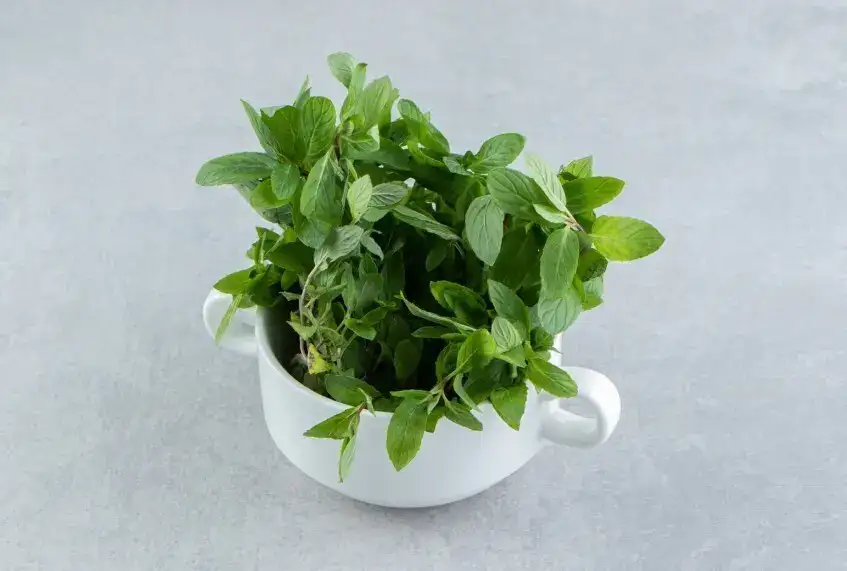
Why cortisol matters
Cortisol plays an essential role in helping the body handle stress. But when levels remain elevated for long periods, it can trigger fatigue, poor sleep, irritability, weakened immunity, and mental fog. Managing cortisol naturally has become a growing wellness priority, which is why Tulsi is gaining renewed attention.
Tulsi’s ancient roots meet modern science
Known scientifically as Holy Basil, Tulsi has been a cornerstone of Ayurveda for centuries due to its adaptogenic properties. Adaptogens are natural compounds that help the body better cope with physical and emotional stress.
Modern studies support this traditional wisdom. Clinical trials involving Tulsi extract have shown improvements in stress resilience, sleep quality, mood, and cortisol regulation over several weeks. Participants also displayed better stress responses during challenging situations, suggesting Tulsi may begin influencing the body’s stress systems relatively quickly.
Is the 40-minute claim real?
The idea that Tulsi works within 40 minutes appears to stem from research measuring short-term biological responses. While these studies mainly used concentrated Tulsi extracts rather than raw leaves, they found noticeable reductions in stress markers like salivary cortisol and amylase after stress exposure.
This means Tulsi may indeed start calming the nervous system faster than many realize, though directly linking this to chewing three fresh leaves specifically still requires more research.
The power of a simple daily ritual
Chewing three fresh Tulsi leaves each morning may offer more than just herbal benefits. Tulsi’s active compounds can be absorbed quickly, while the ritual itself encourages mindfulness and calm.
That quiet morning pause, combined with Tulsi’s adaptogenic support, may help create a sense of balance that contributes to lower stress levels over time.
Additional wellness benefits of Tulsi
Beyond cortisol control, research also suggests Tulsi may help:
So, should you believe it?
Tulsi is not an instant miracle cure, but the belief that it can help calm the body fairly quickly isn’t entirely exaggerated. While the exact “40-minute” promise may be more symbolic than scientifically definitive, Tulsi does show promising stress-reducing effects, especially when used consistently.
Three Tulsi leaves may seem small, but their wellness potential is impressive. Whether consumed fresh, as tea, or in supplement form, Tulsi can be a gentle yet powerful ally for stress management. In a world filled with constant pressure, this ancient herb may offer a natural path toward calm, one leaf at a time.
Why cortisol matters
Cortisol plays an essential role in helping the body handle stress. But when levels remain elevated for long periods, it can trigger fatigue, poor sleep, irritability, weakened immunity, and mental fog. Managing cortisol naturally has become a growing wellness priority, which is why Tulsi is gaining renewed attention. Tulsi’s ancient roots meet modern science
Known scientifically as Holy Basil, Tulsi has been a cornerstone of Ayurveda for centuries due to its adaptogenic properties. Adaptogens are natural compounds that help the body better cope with physical and emotional stress.Modern studies support this traditional wisdom. Clinical trials involving Tulsi extract have shown improvements in stress resilience, sleep quality, mood, and cortisol regulation over several weeks. Participants also displayed better stress responses during challenging situations, suggesting Tulsi may begin influencing the body’s stress systems relatively quickly.
Is the 40-minute claim real?
The idea that Tulsi works within 40 minutes appears to stem from research measuring short-term biological responses. While these studies mainly used concentrated Tulsi extracts rather than raw leaves, they found noticeable reductions in stress markers like salivary cortisol and amylase after stress exposure.You may also like
- Parenting in the digital age: How technology can help keep children safe online
- Anand Mahindra shares a rare 140-year-old photo of Kedarnath, when reaching the shrine was the real pilgrimage
- Gas Cylinder: Do Gas Cylinders Also Have an Expiry Date? Why Are Codes Like 'A 26' or 'B 27' Inscribed on Them?
- RBI's Major Move! Before Taking Out a Loan, Understand the New Three-Tiered System—When Will It Come into Effect?
- Kitchen organisation hacks for compact British kitchens
This means Tulsi may indeed start calming the nervous system faster than many realize, though directly linking this to chewing three fresh leaves specifically still requires more research.
The power of a simple daily ritual
Chewing three fresh Tulsi leaves each morning may offer more than just herbal benefits. Tulsi’s active compounds can be absorbed quickly, while the ritual itself encourages mindfulness and calm. That quiet morning pause, combined with Tulsi’s adaptogenic support, may help create a sense of balance that contributes to lower stress levels over time.
Additional wellness benefits of Tulsi
Beyond cortisol control, research also suggests Tulsi may help: - Lower blood pressure
- Improve sleep quality
- Enhance mood
- Reduce acute stress markers
- Support nervous system balance
So, should you believe it?
Tulsi is not an instant miracle cure, but the belief that it can help calm the body fairly quickly isn’t entirely exaggerated. While the exact “40-minute” promise may be more symbolic than scientifically definitive, Tulsi does show promising stress-reducing effects, especially when used consistently.Three Tulsi leaves may seem small, but their wellness potential is impressive. Whether consumed fresh, as tea, or in supplement form, Tulsi can be a gentle yet powerful ally for stress management. In a world filled with constant pressure, this ancient herb may offer a natural path toward calm, one leaf at a time.






More from our partners


Loving Newspoint? Download the app now
