
Can Rivers Really Flow Backwards? 6 Surprising Examples and Why They Do

Rivers are usually seen as steady, predictable systems that flow in one direction, from higher ground towards seas or lakes. This basic idea holds true in most cases. But in some parts of the world, rivers behave in surprising ways. They may appear to flow backward for a few hours, during certain seasons, or even permanently due to human intervention.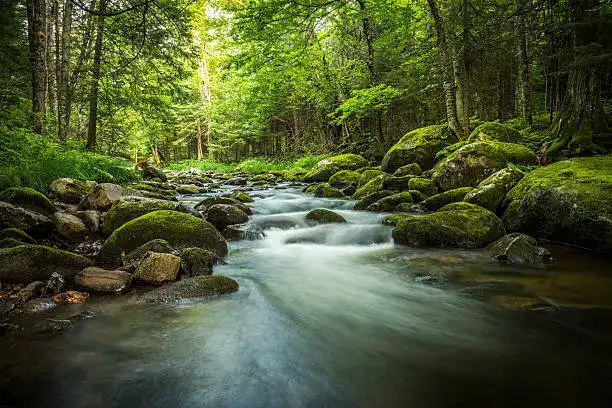
This does not mean the laws of nature are being broken. Instead, these changes happen because of powerful external forces such as tides, heavy rainfall, geographical connections, or engineering projects. Together, these examples show how flexible and responsive river systems can be.
Here are six fascinating rivers where this unusual phenomenon can be observed.
Chicago River, United States
The Chicago River is one of the most famous examples of a river whose direction was changed by humans. Originally, it flowed into Lake Michigan, which also served as a key source of drinking water for the city.
As pollution increased during the 19th century, it became necessary to protect the lake. Engineers constructed canals and locks that reversed the river’s flow. Today, it moves away from Lake Michigan and connects to the Mississippi River system. This remains one of the most remarkable engineering achievements related to river control.
Tonlé Sap River, Cambodia
The Tonlé Sap River is known for its seasonal reversal, which is driven by the powerful Mekong River. During the monsoon season, heavy rains cause the Mekong to swell, increasing water pressure.
This forces water to flow backward into Tonlé Sap Lake, expanding it significantly. When the dry season arrives, the flow changes direction again, and water drains back into the Mekong. This natural cycle supports rich biodiversity and is vital for local livelihoods.
Orinoco River, Venezuela
The Orinoco River behaves differently due to its unique geography. It connects to the Amazon basin through a natural channel known as the Casiquiare.
During periods of heavy rainfall, increased water levels can push water in unusual directions. While it may look like the river is flowing backward, it is actually a result of shifting water pressure and interconnected river systems.
Narmada River, India
The Narmada River presents a mix of natural and human influences. In its lower stretches, tides from the Arabian Sea can push water upstream during high tide, creating a temporary reverse flow effect.
Additionally, dams and barrages built along the river regulate its movement for irrigation and electricity. This combination makes the Narmada’s flow patterns more complex and dynamic.
Mekong River, Southeast Asia
The Mekong River is part of one of the most dynamic water systems in the world. During heavy rainfall, water levels rise sharply across the basin. This can push water into smaller channels and even upstream in certain areas.
Its close relationship with the Tonlé Sap system highlights how interconnected rivers can influence each other’s flow.
Araguari River, Brazil
The Araguari River was once famous for a natural phenomenon called the pororoca. This tidal bore caused powerful ocean waves to move inland against the river’s current.
At times, the force was so strong that it appeared as if the river was flowing backward. Surfers were once drawn to this rare event, although dam construction has reduced its intensity in recent years.
What Causes Reverse River Flow ?
Rivers do not randomly change direction. These unusual patterns are driven by specific forces. Tidal movements from nearby seas can push water upstream. Heavy rainfall and flooding can increase pressure within river systems. In some cases, human engineering projects can permanently alter a river’s course.
Seasonal changes also play a big role. Some rivers, like the Tonlé Sap, follow a predictable cycle of reversal that happens every year.
Why It Matters
These rivers are not just interesting facts. They play an important role in local ecosystems and communities. Seasonal flooding can support agriculture and fisheries, while controlled river systems help manage water resources.
Understanding how rivers behave helps scientists and planners make better decisions about conservation and development.
Rivers may seem simple at first glance, but they are complex and ever-changing systems. The idea of a river flowing backward challenges what we think we know about nature. These examples show that water does not always follow a straight path. Instead, it responds to the forces around it, creating patterns that are both surprising and fascinating.
This does not mean the laws of nature are being broken. Instead, these changes happen because of powerful external forces such as tides, heavy rainfall, geographical connections, or engineering projects. Together, these examples show how flexible and responsive river systems can be.
Here are six fascinating rivers where this unusual phenomenon can be observed.
Chicago River, United States
The Chicago River is one of the most famous examples of a river whose direction was changed by humans. Originally, it flowed into Lake Michigan, which also served as a key source of drinking water for the city. As pollution increased during the 19th century, it became necessary to protect the lake. Engineers constructed canals and locks that reversed the river’s flow. Today, it moves away from Lake Michigan and connects to the Mississippi River system. This remains one of the most remarkable engineering achievements related to river control.
Tonlé Sap River, Cambodia
The Tonlé Sap River is known for its seasonal reversal, which is driven by the powerful Mekong River. During the monsoon season, heavy rains cause the Mekong to swell, increasing water pressure. This forces water to flow backward into Tonlé Sap Lake, expanding it significantly. When the dry season arrives, the flow changes direction again, and water drains back into the Mekong. This natural cycle supports rich biodiversity and is vital for local livelihoods.
Orinoco River, Venezuela
The Orinoco River behaves differently due to its unique geography. It connects to the Amazon basin through a natural channel known as the Casiquiare. During periods of heavy rainfall, increased water levels can push water in unusual directions. While it may look like the river is flowing backward, it is actually a result of shifting water pressure and interconnected river systems.
Narmada River, India
The Narmada River presents a mix of natural and human influences. In its lower stretches, tides from the Arabian Sea can push water upstream during high tide, creating a temporary reverse flow effect. Additionally, dams and barrages built along the river regulate its movement for irrigation and electricity. This combination makes the Narmada’s flow patterns more complex and dynamic.
Mekong River, Southeast Asia
The Mekong River is part of one of the most dynamic water systems in the world. During heavy rainfall, water levels rise sharply across the basin. This can push water into smaller channels and even upstream in certain areas. Its close relationship with the Tonlé Sap system highlights how interconnected rivers can influence each other’s flow.
Araguari River, Brazil
The Araguari River was once famous for a natural phenomenon called the pororoca. This tidal bore caused powerful ocean waves to move inland against the river’s current.You may also like
- Why Hanuman Chalisa Was Not Written in Sanskrit
- LPG Rules Changing from May 1st: Know the New Changes—From Booking to Delivery..
- 4 Most Common Skin Problems and Their Home Remedies
- 6 DIY Masks To Help You Lighten Dark Underarms
- How to Change DOB in Aadhaar Card: How to Change Your Date of Birth in Your Aadhaar Card?
At times, the force was so strong that it appeared as if the river was flowing backward. Surfers were once drawn to this rare event, although dam construction has reduced its intensity in recent years.
What Causes Reverse River Flow ?
Rivers do not randomly change direction. These unusual patterns are driven by specific forces. Tidal movements from nearby seas can push water upstream. Heavy rainfall and flooding can increase pressure within river systems. In some cases, human engineering projects can permanently alter a river’s course. Seasonal changes also play a big role. Some rivers, like the Tonlé Sap, follow a predictable cycle of reversal that happens every year.
Why It Matters
These rivers are not just interesting facts. They play an important role in local ecosystems and communities. Seasonal flooding can support agriculture and fisheries, while controlled river systems help manage water resources. Understanding how rivers behave helps scientists and planners make better decisions about conservation and development.
Rivers may seem simple at first glance, but they are complex and ever-changing systems. The idea of a river flowing backward challenges what we think we know about nature. These examples show that water does not always follow a straight path. Instead, it responds to the forces around it, creating patterns that are both surprising and fascinating.






More from our partners


Loving Newspoint? Download the app now
