
Can You Eat MSG While Pregnant? MSG During Pregnancy Might Be Safe, See What Research Says


MSG, monosodium glutamate, sodium salt of glutamic acid, has been a street kitchen’s favourite taste enhancer for centuries. It's an amino acid that is naturally present in the human body and many other foods, including tomatoes, mushrooms, and cheese. However, MSG has always been a controversial ingredient, especially during pregnancy.
Looking at scientific evidence, MSG consumed in moderation doesn't pose any negative effects. It does not cross the placenta, and no research proves it to impair foetal development. Some people may experience headaches and nausea after consuming high-MSG foods. These are not universal. The side effects depend on the individual, certain foods, allergies, or contamination.
What is MSG
Monosodium glutamate, commonly called MSG, is an amino acid already present in the human body and many everyday food items. When MSG is added to food, it releases free glutamate and enhances the umami taste that is naturally present in tomatoes, mushrooms, cheese, and other fermented foods.
The controversy surrounding MSG started way back in the 1960s due to a letter about “Chinese Restaurant Syndrome” linking restaurant foods containing MSG to cause symptoms like headache, nausea and numbness. However, research and reviews soon debunked those claims.
Naturally occurring glutamates found in foods are bound to proteins and require cooling or digestion to be released. Added MSG provides free glutamate, enabling faster absorption and an immediate savoury taste in packaged foods, soups, snacks, and street foods. However, the body does not find any difference between natural and added MSG.
Confused by pregnancy or fertility advice online? Get clarity from experts at Times Future of Maternity 2026.
How Body Processes MSG During PregnancyAdded MSG, just like natural glutamate, is metabolised in the gastrointestinal tract. The cells lining the intestine use it as an electrolyte. Glutamates primarily act as an oxidative fuel. During pregnancy, this process remains unchanged. The placenta acts as a barrier, transferring only selective nutrients and metabolising harmful free amniotic acids to protect foetal development.
Is MSG Safe During Pregnancy?
No human research proves MSG to be harmful during pregnancy or to increase the risk of birth defects, pregnancy loss, or fetal growth. MSG is considered safe for consumption during pregnancy by major health authorities such as the FDA and the WHO. Some animal studies indicate that high doses may affect growth, but this is unrelated to human exposure. Maternal metabolism and placental barriers work efficiently during pregnancy.
Can MSG cause Pregnancy Complications?
When pregnant, consuming certain controversial ingredients may raise concern about miscarriages, birth defects, hormonal imbalances and long-term health effects. But you can consume MSG without any stress, as no credible research proves MSG can cause miscarriage or birth defects.
Many of the problems surrounding MSG are from animal studies. In research, MSG was administered directly to the animal rather than through food, which delivers dangerously high doses. This method demonstrates neuroendocrine effects in animals. However, these do not apply to humans who eat very minimal amounts of MSG through food. MSG taken through food is metabolised in the gut and does not enter the placenta or mix in the bloodstream.
MSG Sensitivity During Pregnancy
MSG sensitivity does not happen to every pregnant woman. It's a rare condition in which some individuals experience milk-like symptoms after consuming MSG-containing food. MSG sensitivity is often referred to as Chinese Restaurant Syndrome. These are not allergic in nature but rather nocebo responses that arise from sensitivity, expectations of harm, or confusion related to the food, and they usually resolve within a few hours without intervention.
Pregnant women may experience a short-term effect after eating processed or restaurant foods. Common symptoms include:
Pregnancy-related hormonal changes affect sensory processing and make umami (savoury) flavours more intense. Progesterone slows digestion, thereby exposing the flavour to sodium. This irritation increases vasodilation due to increased blood volume, thereby amplifying flushing and tachycardia.
MSG is not restricted during pregnancy. You can enjoy it in moderation. Limit MSG if you already experience migraines, headaches, and other severe pregnancy symptoms.
Foods that Commonly Contain MSG
Monosodium Glutamate is added to processed and street food to amp up the taste and flavour of the food. Here are some common foods that contain added MSG.
Natural foods contain glutamates that are naturally produced while fermenting and cooking, making the food taste and nutrient-packed.
It's safe to consume MSG during pregnancy. However, if you want to be safe, you can avoid foods that contain added MSG. When picking packaged foods in the market, read the label. Some labels don't specify MSG directly but instead use different names. Hidden names for MSG include hydrolysed vegetable protein, yeast extract, autolysed yeast, glutamic acid, protein hydrolysates, glutamate salts, or natural flavours.
Whether you’re pregnant, a new mom, or navigating postpartum, you don’t have to do it alone. Join our support group to connect, share, and support one another.
FAQs on Can You Eat MSG While Pregnant? MSG During Pregnancy Might Be Safe, See What Research Says
Can MSG cause PCOS?
MSG doesn't directly cause PCOS. However, consuming MSG in large amounts can be toxic. No human studies prove MSG causes PCOS. Animal studies show excessive MSG can lead to sexual dysfunction and possibly sterility. But these tests were conducted by injecting MSG at high doses. How much MSG is safe to consume?
Health authorities set an Acceptable Daily Intake of 30 mg per kg of body weight of MSG per day. The good news is that most people consume way less than the set amount. Most of the food ingredients we commonly use in our daily cooking contain natural Msg, which is released while cooking.
Looking at scientific evidence, MSG consumed in moderation doesn't pose any negative effects. It does not cross the placenta, and no research proves it to impair foetal development. Some people may experience headaches and nausea after consuming high-MSG foods. These are not universal. The side effects depend on the individual, certain foods, allergies, or contamination.
What is MSG
Monosodium glutamate, commonly called MSG, is an amino acid already present in the human body and many everyday food items. When MSG is added to food, it releases free glutamate and enhances the umami taste that is naturally present in tomatoes, mushrooms, cheese, and other fermented foods.
The controversy surrounding MSG started way back in the 1960s due to a letter about “Chinese Restaurant Syndrome” linking restaurant foods containing MSG to cause symptoms like headache, nausea and numbness. However, research and reviews soon debunked those claims.
Naturally occurring glutamates found in foods are bound to proteins and require cooling or digestion to be released. Added MSG provides free glutamate, enabling faster absorption and an immediate savoury taste in packaged foods, soups, snacks, and street foods. However, the body does not find any difference between natural and added MSG.
Confused by pregnancy or fertility advice online? Get clarity from experts at Times Future of Maternity 2026.
How Body Processes MSG During PregnancyAdded MSG, just like natural glutamate, is metabolised in the gastrointestinal tract. The cells lining the intestine use it as an electrolyte. Glutamates primarily act as an oxidative fuel. During pregnancy, this process remains unchanged. The placenta acts as a barrier, transferring only selective nutrients and metabolising harmful free amniotic acids to protect foetal development.
Is MSG Safe During Pregnancy?
No human research proves MSG to be harmful during pregnancy or to increase the risk of birth defects, pregnancy loss, or fetal growth. MSG is considered safe for consumption during pregnancy by major health authorities such as the FDA and the WHO. Some animal studies indicate that high doses may affect growth, but this is unrelated to human exposure. Maternal metabolism and placental barriers work efficiently during pregnancy.
Can MSG cause Pregnancy Complications?
When pregnant, consuming certain controversial ingredients may raise concern about miscarriages, birth defects, hormonal imbalances and long-term health effects. But you can consume MSG without any stress, as no credible research proves MSG can cause miscarriage or birth defects.
Many of the problems surrounding MSG are from animal studies. In research, MSG was administered directly to the animal rather than through food, which delivers dangerously high doses. This method demonstrates neuroendocrine effects in animals. However, these do not apply to humans who eat very minimal amounts of MSG through food. MSG taken through food is metabolised in the gut and does not enter the placenta or mix in the bloodstream.
MSG Sensitivity During Pregnancy
MSG sensitivity does not happen to every pregnant woman. It's a rare condition in which some individuals experience milk-like symptoms after consuming MSG-containing food. MSG sensitivity is often referred to as Chinese Restaurant Syndrome. These are not allergic in nature but rather nocebo responses that arise from sensitivity, expectations of harm, or confusion related to the food, and they usually resolve within a few hours without intervention.
Pregnant women may experience a short-term effect after eating processed or restaurant foods. Common symptoms include:
- Headaches or migraines
- Nausea, bloating, or vomiting
- Sweating, facial flushing
- Dizziness or palpitation
- Fatigue, chest heaviness or muscle tightness
- Sleep disturbance, or nightmares
Pregnancy-related hormonal changes affect sensory processing and make umami (savoury) flavours more intense. Progesterone slows digestion, thereby exposing the flavour to sodium. This irritation increases vasodilation due to increased blood volume, thereby amplifying flushing and tachycardia.
MSG is not restricted during pregnancy. You can enjoy it in moderation. Limit MSG if you already experience migraines, headaches, and other severe pregnancy symptoms.
Foods that Commonly Contain MSG
Monosodium Glutamate is added to processed and street food to amp up the taste and flavour of the food. Here are some common foods that contain added MSG.
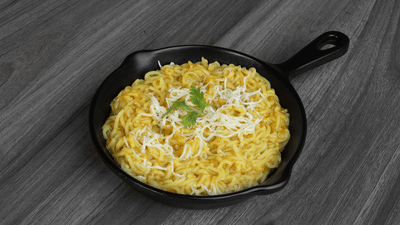
- Instant Noodles: Many instant noodles brands add MSG in the name of “flavour enhancer” to enhance their taste. Choose “no MSG” brands, organic brands, or rice or millet-based noodles. Replace the seasoning with natural ingredients such as garlic, ginger, green onion, tomato, or chilli flakes.
- Packed Soups: Canned or ready-to-eat soups generally have MSG to mask their blandness. Opt for low-sodium, organic soups or bone broths. Soup can be easily prepared at home using fresh ingredients.
- Seasoning Cubes: Commonly used Maggi cubes, chicken cubes contain high levels of MSG to impart a meaty flavour to plain gravies and rice. Switch to MSG-free cubes or make homemade broth or stock. Tomato paste, garlic powder, and coriander powder add that umami flavour naturally.
- Restaurant Foods: Every gravy and curry, and Indo-Chinese foods you order from street vendors and high-end restaurants add MSG in different forms. You may request that MSG not be added to your food.
Natural foods contain glutamates that are naturally produced while fermenting and cooking, making the food taste and nutrient-packed.
- Tomato: It contains 150-250 mg of free glutamates per 100 grams. While cooking, glutamates naturally release and make the food taste irresistible.
- Cheese: Parmesan contains 1200-1680 mg per 100 grams due to the fermentation where bacteria eat proteins and release glutamate.
- Mushroom: Shiitake mushrooms pack 180-1060 mg per 100 grams. Cooking naturally releases the umami flavour.
- Fermented Soy Products: Traditionally fermented soy sauce contains 700-1700 mg per 100 ml. Muso and Tempeh deliver 200-500 mg.
- Meat: Fresh meat easily contains 25 g of bound glutamate per kg.
It's safe to consume MSG during pregnancy. However, if you want to be safe, you can avoid foods that contain added MSG. When picking packaged foods in the market, read the label. Some labels don't specify MSG directly but instead use different names. Hidden names for MSG include hydrolysed vegetable protein, yeast extract, autolysed yeast, glutamic acid, protein hydrolysates, glutamate salts, or natural flavours.
Whether you’re pregnant, a new mom, or navigating postpartum, you don’t have to do it alone. Join our support group to connect, share, and support one another.
FAQs on Can You Eat MSG While Pregnant? MSG During Pregnancy Might Be Safe, See What Research Says
MSG doesn't directly cause PCOS. However, consuming MSG in large amounts can be toxic. No human studies prove MSG causes PCOS. Animal studies show excessive MSG can lead to sexual dysfunction and possibly sterility. But these tests were conducted by injecting MSG at high doses.
Health authorities set an Acceptable Daily Intake of 30 mg per kg of body weight of MSG per day. The good news is that most people consume way less than the set amount. Most of the food ingredients we commonly use in our daily cooking contain natural Msg, which is released while cooking.
Next Story