
Cast Iron vs Non-Stick: Is Iron Cookware Better for Your Health?

Choosing the right cookware can change not only how your food tastes but also how it affects your health. Two of the most popular options in kitchens today are cast iron and non-stick pans. Both have their fans, but when it comes to health benefits, there are some clear differences worth knowing.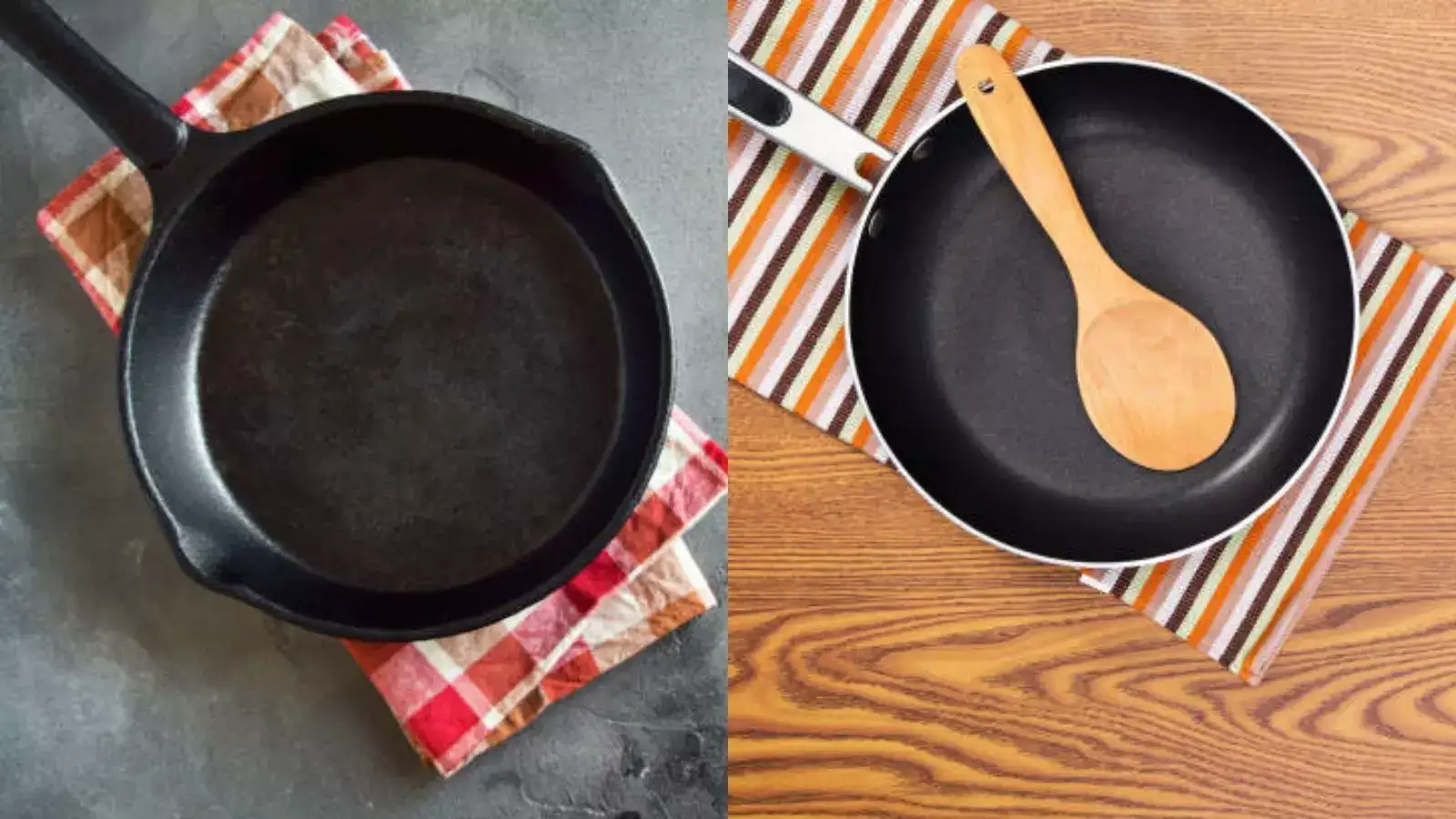
Let’s break it down in a simple and friendly way so you can decide what works best for you and your family.
What Is Cast Iron Cookware ?
Cast iron pans are made by pouring molten iron into a mold. They are heavy, durable, and can last for generations if cared for properly. Many chefs and home cooks love them for the way they heat evenly and retain heat very well.
Health Benefits of Cast Iron
Boosts Iron Intake: When you cook acidic foods like tomato sauce in cast iron, small traces of iron can leach into your food. This can be helpful if you have low iron levels.
No Harmful Coatings: Since there is no chemical coating on cast iron, you avoid the risk of toxic substances leaching into your food.
Long Lifespan: A well-seasoned cast iron pan can last decades, reducing waste from replacing old cookware frequently.
Considerations
What Is Non-Stick Cookware ?
Non-stick pans are coated with materials designed to prevent food from sticking, making cooking and cleaning easier. The most common coating is PTFE, often known by brand names like Teflon.
Health Considerations of Non-Stick Pans
Safety Tips
Cast Iron vs Non-Stick : Which Is Healthier?
Chemical Safety
Iron Boost
Cooking at High Heat
Maintenance Needed
Ease of Use
Health Verdict:
Cast iron wins if your priority is chemical-free cooking and boosting iron intake naturally. It is a wholesome choice that aligns with traditional cooking methods.
Non-stick cookware is not inherently unhealthy, but it requires care. Used correctly, it’s safe for everyday cooking, especially if you prefer convenience and low-fat cooking.
There’s no one-size-fits-all answer, and many kitchens benefit from having both cast iron and non-stick pans. If health and durability are your top priorities, cast iron is a strong choice. But if you love quick, effortless cooking, quality non-stick pans can be a useful tool too.
Let’s break it down in a simple and friendly way so you can decide what works best for you and your family.
What Is Cast Iron Cookware ?
Cast iron pans are made by pouring molten iron into a mold. They are heavy, durable, and can last for generations if cared for properly. Many chefs and home cooks love them for the way they heat evenly and retain heat very well.Health Benefits of Cast Iron
Boosts Iron Intake: When you cook acidic foods like tomato sauce in cast iron, small traces of iron can leach into your food. This can be helpful if you have low iron levels. No Harmful Coatings: Since there is no chemical coating on cast iron, you avoid the risk of toxic substances leaching into your food.
You may also like
- JD(S) Youth Wing State President Nikhil Kumaraswamy confirms contesting from Ramanagara assembly
- Hotel rates scale new peaks on AI Summit in New Delhi
- Month-long Maha Budget session, the first after Ajit Pawar's demise, expected to be stormy
- Asian economies try to figure out what Trump's tariffs mean for them
- Osasuna stun Real Madrid, Atletico cruises past Espanyol in La Liga
Long Lifespan: A well-seasoned cast iron pan can last decades, reducing waste from replacing old cookware frequently.
Considerations
- Requires Maintenance: Cast iron needs seasoning (a layer of oil baked onto the surface) to stay non-stick and rust-free.
- Heavy Weight: These pans are strong but also heavy. They may not be ideal if you prefer lightweight cookware.
- Not Always Non-Stick: Unless well-seasoned, food can stick, especially eggs and delicate items.
What Is Non-Stick Cookware ?
Non-stick pans are coated with materials designed to prevent food from sticking, making cooking and cleaning easier. The most common coating is PTFE, often known by brand names like Teflon. Health Considerations of Non-Stick Pans
- Convenience: Food slides off easily and cleanup is quick.
- Lower Oil Cooking: Less oil or butter is needed, which can be great for low-fat cooking.
- Concerns With High Heat: Traditional non-stick coatings can break down at very high temperatures, releasing fumes that may be harmful if overheated.
Safety Tips
- Cook on Low to Medium Heat: To prevent coating breakdown, avoid very high heat.
- Use Wooden or Silicone Utensils: Metal utensils can scratch and damage the non-stick surface.
- Replace When Worn: Once the coating peels or scratches, it’s time to replace the pan.
Cast Iron vs Non-Stick : Which Is Healthier?
Chemical Safety
- Cast Iron: Excellent, as it has no synthetic coating
- Non-Stick: Depends on the quality of the pan and how it is used
Iron Boost
- Cast Iron: Yes, it can add small amounts of iron to food
- Non-Stick: No added iron benefit
Cooking at High Heat
- Cast Iron: Great for high temperature cooking
- Non-Stick: Not recommended for very high heat
Maintenance Needed
- Cast Iron: Requires regular seasoning and proper care
- Non-Stick: Minimal maintenance needed
Ease of Use
- Cast Iron: Moderate, can be heavy and needs practice
- Non-Stick: Very easy and convenient to use
Health Verdict:
Cast iron wins if your priority is chemical-free cooking and boosting iron intake naturally. It is a wholesome choice that aligns with traditional cooking methods. Non-stick cookware is not inherently unhealthy, but it requires care. Used correctly, it’s safe for everyday cooking, especially if you prefer convenience and low-fat cooking.
Tips for Healthy Cooking With Both
Whether you choose cast iron, non-stick, or both, here are some general tips to keep your meals healthy:- Avoid overheating non-stick pans.
- Season cast iron regularly with healthy oils like flaxseed or sunflower oil.
- Use gentle utensils to protect the cookware surface.
- Pair good cookware with fresh ingredients for best results.
There’s no one-size-fits-all answer, and many kitchens benefit from having both cast iron and non-stick pans. If health and durability are your top priorities, cast iron is a strong choice. But if you love quick, effortless cooking, quality non-stick pans can be a useful tool too.






More from our partners


Loving Newspoint? Download the app now
