
All About Gen Z’s New Fad- Chinamaxxing

First, it was Japan. Think matcha rituals, minimalist homes, Studio Ghibli-core aesthetics. Then came Korea, with K-beauty routines, glass skin, K-dramas, and carefully curated wardrobes. India had its moment too, with Ayurveda, yoga, saree drapes, and ‘desi girl’ aesthetics making their way into global feeds.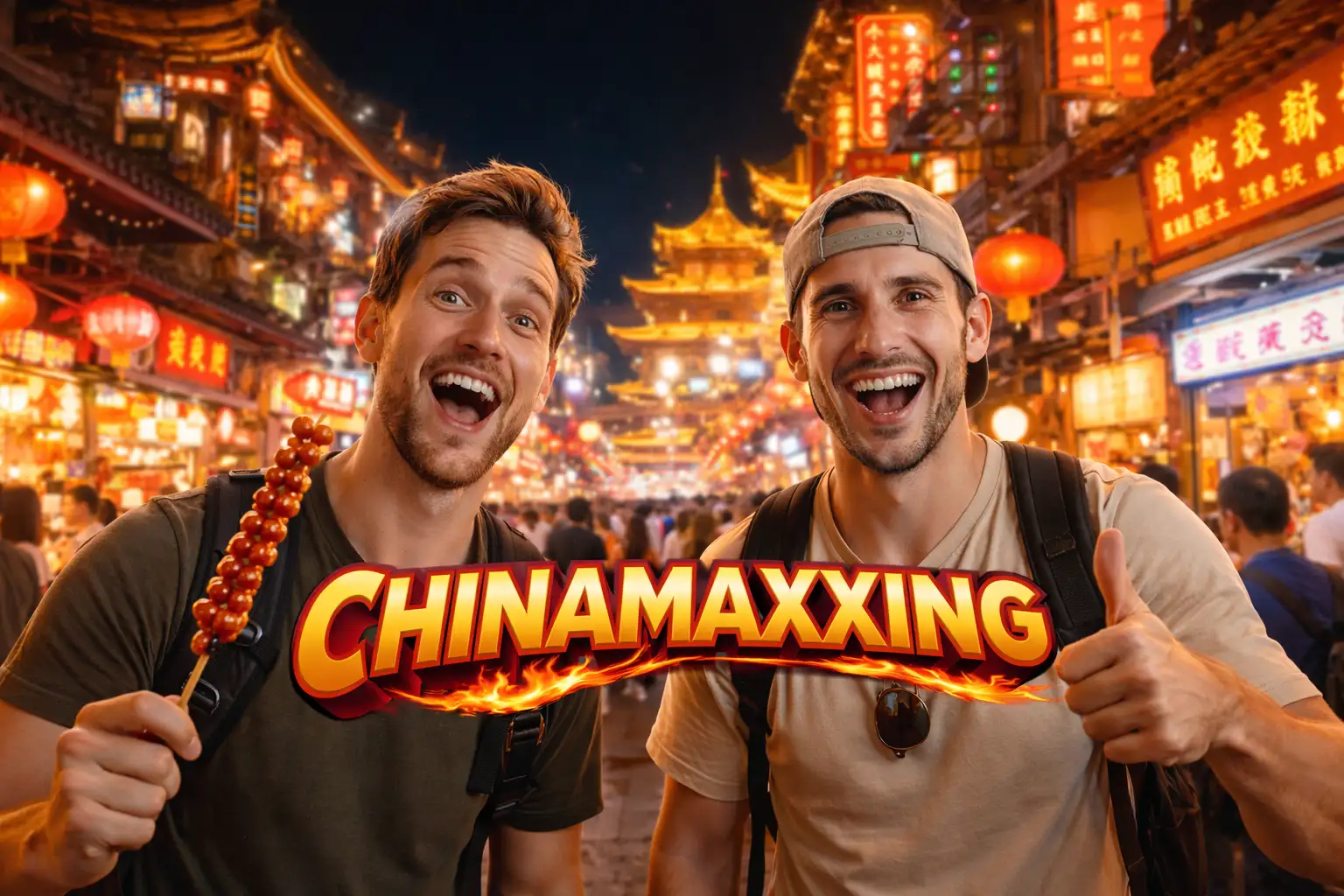
And now, if your Instagram algorithm feels slightly different, you are not alone. The latest cultural wave sweeping social media is China and the term ‘ Chinamaxxing ’
The term's suffix, ‘maxxing’, is internet slang that means going all in on something. For example, ‘looksmaxxers’ are obsessed with optimizing their appearance, and ‘healthmaxxers’ constantly share tips on improving personal well-being.
‘Chinamaxxing’ can mean drinking hot water instead of iced lattes, wearing house slippers indoors, or embracing traditional Chinese skincare routines. On TikTok and Instagram, users joke that they're entering a ‘very Chinese time’ in their lives.
The trend has been amplified by Chinese diaspora influencers such as Sherry Zhu, who regularly shares herbal skincare recipes and advice on becoming a Chinese ‘baddie’ (a baddie, of course, meaning a confident, attractive woman). What began as niche lifestyle content has since spilled into celebrity PR stunts by the likes of Timothée Chalamet playing ping-pong in Chengdu, and mainstream cultural debates.
Part of that shift came after popular livestreamers Hasan Piker and ISHOWSPEED traveled to China last year, broadcasting visits to high-tech megacities like Shanghai and Chongqing to millions of viewers. Their streams, featuring subway systems, dense skylines, and casual street interviews with ordinary people, were wildly popular on both American and Chinese social media.
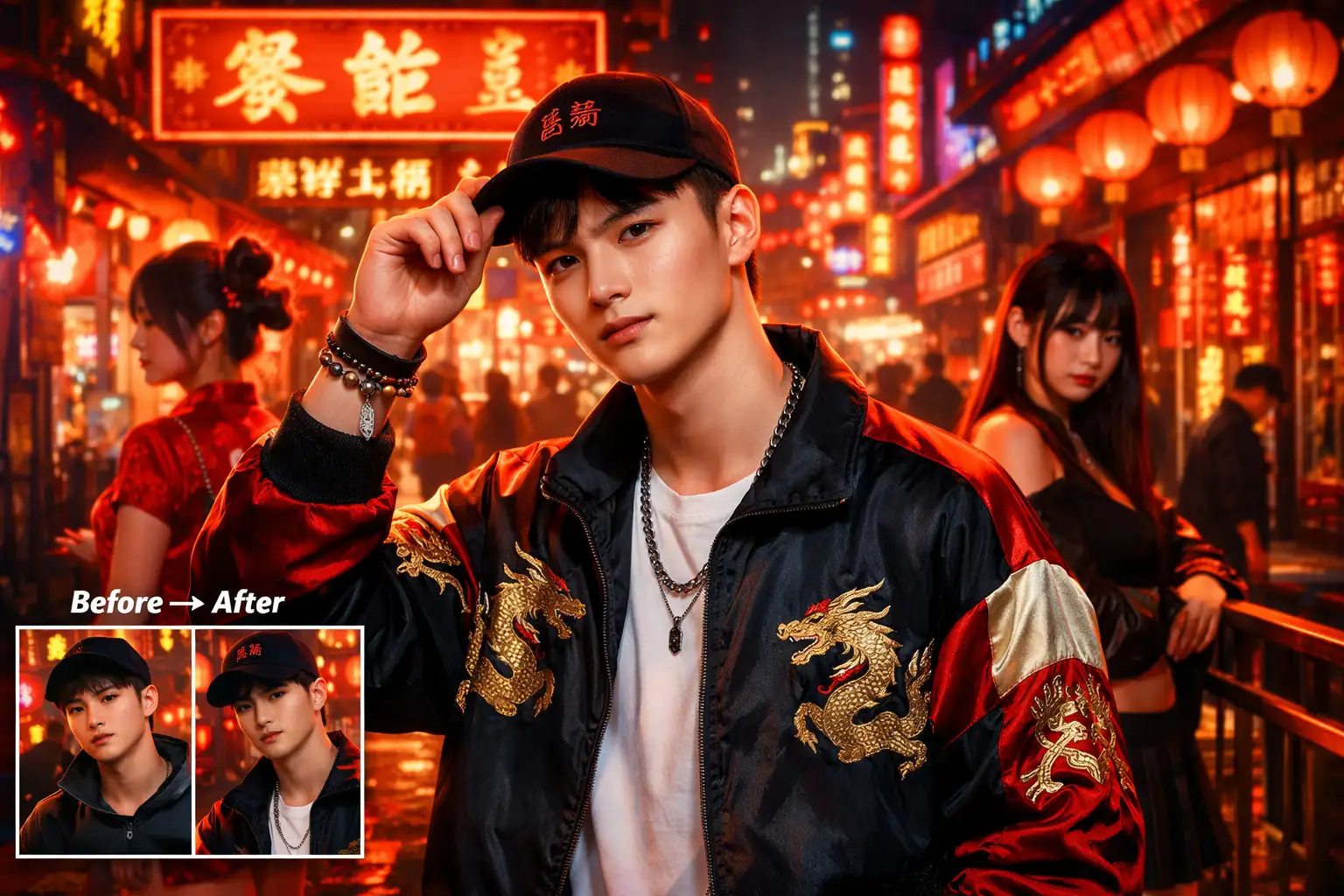
But Chinamaxxing is not just about aesthetics, it reflects a deeper curiosity about China’s lifestyle, discipline, and rapid modernization. Many Gen Z users are drawn to the idea of balance: structured routines, emphasis on health, and a blend of tradition with cutting-edge innovation. From traditional Chinese medicine practices to hyper-efficient public transport systems, the fascination goes beyond surface-level trends.
At the same time, the trend is not without criticism. Some argue that Chinamaxxing risks oversimplifying or stereotyping a complex culture into digestible “aesthetic” moments. Others point out that social media often highlights only the most polished or aspirational aspects of life in China, leaving out its social and political nuances.
Still, like Japancore and Koreacore before it, Chinamaxxing highlights how Gen Z engages with global cultures through curiosity, imitation, and digital storytelling. It’s less about authenticity and more about experimentation, where users borrow elements that resonate with their personal identities.
Whether it’s sipping hot water, trying herbal remedies, or romanticizing cityscapes of Shanghai, one thing is clear: Gen Z’s cultural compass is constantly shifting. And right now, all signs point to China.
And now, if your Instagram algorithm feels slightly different, you are not alone. The latest cultural wave sweeping social media is China and the term ‘ Chinamaxxing ’
The term's suffix, ‘maxxing’, is internet slang that means going all in on something. For example, ‘looksmaxxers’ are obsessed with optimizing their appearance, and ‘healthmaxxers’ constantly share tips on improving personal well-being.
‘Chinamaxxing’ can mean drinking hot water instead of iced lattes, wearing house slippers indoors, or embracing traditional Chinese skincare routines. On TikTok and Instagram, users joke that they're entering a ‘very Chinese time’ in their lives.
How this trend started.
The trend has been amplified by Chinese diaspora influencers such as Sherry Zhu, who regularly shares herbal skincare recipes and advice on becoming a Chinese ‘baddie’ (a baddie, of course, meaning a confident, attractive woman). What began as niche lifestyle content has since spilled into celebrity PR stunts by the likes of Timothée Chalamet playing ping-pong in Chengdu, and mainstream cultural debates.
Part of that shift came after popular livestreamers Hasan Piker and ISHOWSPEED traveled to China last year, broadcasting visits to high-tech megacities like Shanghai and Chongqing to millions of viewers. Their streams, featuring subway systems, dense skylines, and casual street interviews with ordinary people, were wildly popular on both American and Chinese social media.
What it truly means
But Chinamaxxing is not just about aesthetics, it reflects a deeper curiosity about China’s lifestyle, discipline, and rapid modernization. Many Gen Z users are drawn to the idea of balance: structured routines, emphasis on health, and a blend of tradition with cutting-edge innovation. From traditional Chinese medicine practices to hyper-efficient public transport systems, the fascination goes beyond surface-level trends.
At the same time, the trend is not without criticism. Some argue that Chinamaxxing risks oversimplifying or stereotyping a complex culture into digestible “aesthetic” moments. Others point out that social media often highlights only the most polished or aspirational aspects of life in China, leaving out its social and political nuances.
Still, like Japancore and Koreacore before it, Chinamaxxing highlights how Gen Z engages with global cultures through curiosity, imitation, and digital storytelling. It’s less about authenticity and more about experimentation, where users borrow elements that resonate with their personal identities.
Whether it’s sipping hot water, trying herbal remedies, or romanticizing cityscapes of Shanghai, one thing is clear: Gen Z’s cultural compass is constantly shifting. And right now, all signs point to China.
Next Story