Christmas 2025; Popular Desserts From Around The World & Their Origins

popular christmas desserts , traditional christmas sweets , christmas desserts around the world , festive dessert traditions , global christmas food , christmas dessert origins : Christmas celebrations across the world are deeply tied to food, and desserts often carry the strongest emotional and cultural value. From rich cakes and spiced puddings to delicate pastries and sweet breads, Christmas desserts reflect centuries of tradition, local ingredients and festive symbolism. Many of these treats were shaped by climate, religious customs and historical influences, evolving over time into beloved holiday staples. Exploring popular Christmas desserts from around the world offers a glimpse into how different cultures celebrate the season through sweetness, storytelling and shared rituals that continue to bring families together year after year.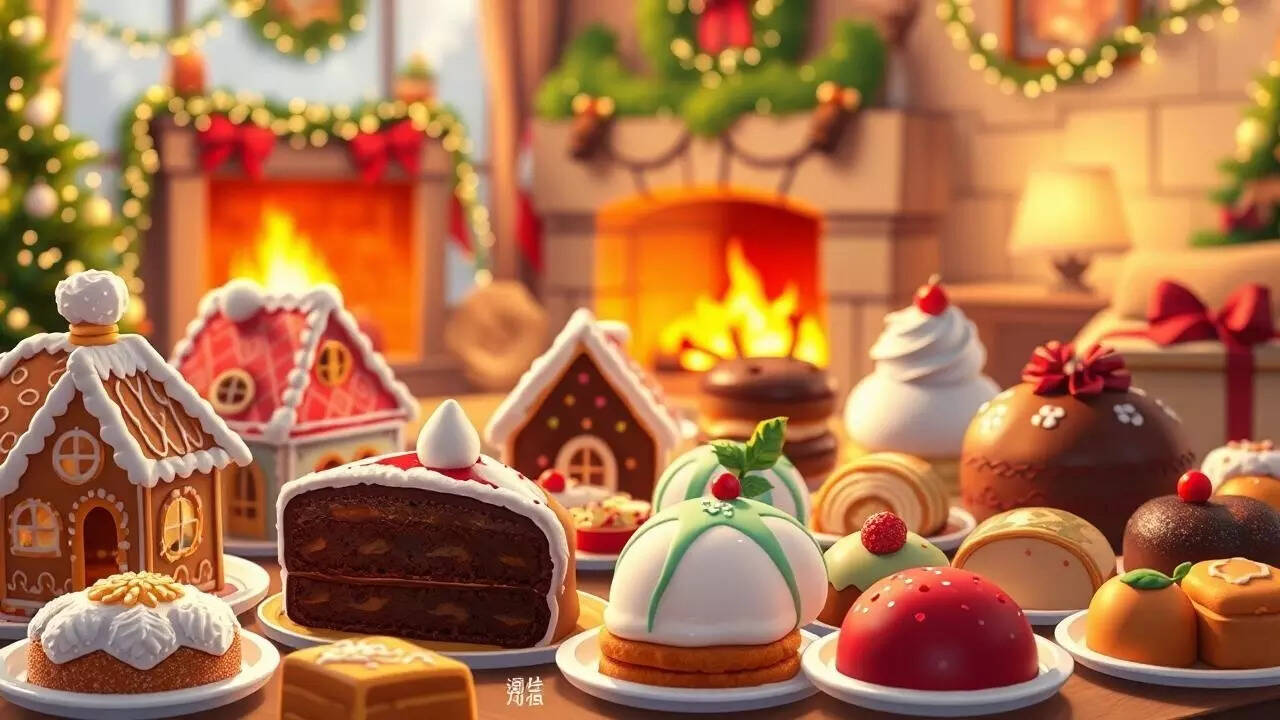
Christmas desserts from around the world tell stories of history, climate and cultural exchange. While ingredients and methods differ, these sweets share a common purpose of bringing people together during a season of celebration. From rich puddings to light meringues, each dessert reflects the traditions and values of the communities that cherish them, making Christmas a truly global celebration of flavour and heritage.
Christmas Pudding And Mince Pies From The United Kingdom
Christmas pudding is one of the most iconic festive desserts in the United Kingdom. Its origins date back to medieval times when it began as a savoury dish before evolving into a sweet pudding filled with dried fruits, suet and spices. Traditionally prepared weeks in advance, it symbolises patience and abundance. Mince pies also hold a strong place in British Christmas traditions. Originally filled with spiced meat mixtures, they gradually became sweet pastries containing dried fruits, sugar and spices. Both desserts reflect the historical use of preserved ingredients during winter.Panettone From Italy
Panettone is a tall, dome-shaped sweet bread that originated in Milan. Made with flour, eggs, butter, sugar and dried fruits, it became popular during the Renaissance and was associated with festive banquets. Over time, panettone spread across Italy and beyond, becoming a Christmas staple enjoyed with coffee or sweet wine. Its airy texture and subtle sweetness reflect Italian baking traditions and the importance of shared meals during celebrations.Yule Log Cake From France
The Yule log cake, known as bûche de Noël, has its roots in ancient European winter traditions. Historically, families burned a large log to symbolise warmth and good fortune during winter. This custom later inspired a sponge cake rolled and decorated to resemble a log. Filled with cream and often flavoured with chocolate or coffee, the dessert represents continuity, warmth and the welcoming of light during the festive season.Stollen From Germany
Stollen is a rich fruit bread that originated in Germany and dates back several centuries. Traditionally eaten during Advent and Christmas, it is made with dried fruits, nuts, spices and a dusting of icing sugar. Its shape is said to symbolise the swaddled infant, giving it religious significance. Over time, stollen became associated with festive generosity and indulgence, especially as butter became more widely used in baking.You may also like
- Majority of Germans support reducing asylum immigration: Poll
 Kerala: Massive fire engulfs plastic manufacturing unit in Kannur's Thalassery, dousing ops underway
- Barcelona seeks to secure year-end La Liga lead
- "BJP's Godse-like mindset has not ended yet": Punjab Congress chief attacks Centre over VB-G-RAM-G Bill
- Exclusive: Unacademy's Gaurav Munjal Issues Clarification On Changing ESOP Exercise Window
Turrón From Spain
Turrón is a traditional Spanish Christmas sweet made primarily from almonds, honey and egg whites. Its origins can be traced back to Arab influence on the Iberian Peninsula, where nuts and honey were commonly used in desserts. There are different varieties, ranging from hard and crunchy to soft and creamy. Turrón remains a central part of Spanish Christmas celebrations and reflects the country’s historical blend of cultures.Pavlova From Australia And New Zealand
Pavlova is a light dessert made from baked meringue topped with whipped cream and fresh fruit. Although its exact origin is debated between Australia and New Zealand, it became popular as a Christmas dessert due to its refreshing nature during the Southern Hemisphere summer. Named after a famous ballet dancer, pavlova symbolises elegance and celebration and is often customised with seasonal fruits.Buñuelos From Latin America
Buñuelos are fried dough desserts enjoyed during Christmas in several Latin American countries. While variations exist, they generally consist of crisp, lightly sweetened dough served with syrup or sugar. Their origins can be traced back to Spanish influence, later adapted with local ingredients. Buñuelos are often prepared during family gatherings, symbolising togetherness and festive joy.Fruitcake Traditions Across Continents
Fruitcake appears in many forms across different cultures, from dense cakes soaked in alcohol to lighter versions filled with dried fruits and nuts. Originating as a practical way to preserve fruits, fruitcake became associated with Christmas due to its long shelf life and rich ingredients. Its global presence highlights how practicality and celebration often merge in festive food traditions.Christmas desserts from around the world tell stories of history, climate and cultural exchange. While ingredients and methods differ, these sweets share a common purpose of bringing people together during a season of celebration. From rich puddings to light meringues, each dessert reflects the traditions and values of the communities that cherish them, making Christmas a truly global celebration of flavour and heritage.






More from our partners


Loving Newspoint? Download the app now
