
Clay Play for Stress Relief: Why Tactile Therapy Is Gaining Popularity

Clay Play for Stress Relief: Clay play involves shaping, molding, and sculpting clay using your hands, without the pressure of creating something perfect. Unlike structured art forms, it emphasizes process over outcome. This simple, sensory activity allows individuals to engage physically and mentally, making it a powerful relaxation tool.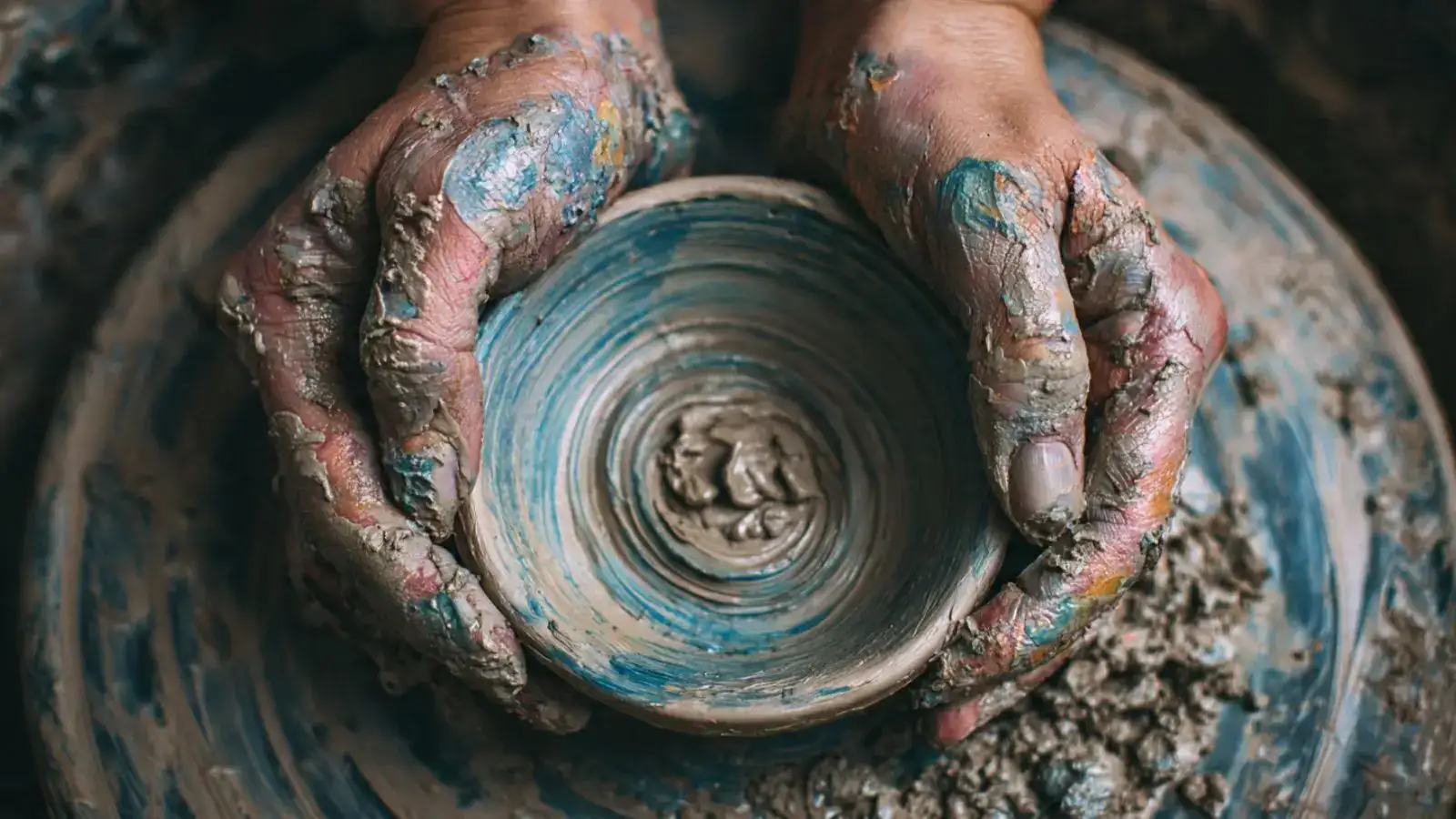
The Science Behind the Calm
Research in art therapy suggests that working with clay activates the brain’s sensory pathways, promoting mindfulness and reducing cortisol levels, the hormone linked to stress. The repetitive motion of kneading and shaping clay can have a meditative effect, similar to practices like journaling or deep breathing.
Additionally, tactile activities stimulate the release of dopamine, the “feel-good” neurotransmitter, helping improve mood and emotional well-being. This is why clay-based therapy is often used in mental health settings to help individuals process emotions non-verbally.
A Break from Digital Overload
In an era dominated by screens, clay play offers a much-needed offline escape. It encourages people to disconnect from constant notifications and engage in a slow, intentional activity. This shift toward analog experiences reflects a broader wellness trend focused on mindfulness and reducing overstimulation.
Boosting Creativity and Focus
Clay play is not just relaxing, it also enhances creativity. Since there are no strict rules, individuals feel free to experiment, which can spark innovative thinking. It also improves concentration, as the hands-on process requires attention and coordination.
For students and professionals alike, even short sessions of clay play can help reset the mind, making it easier to return to tasks with improved focus.
Accessible and Inclusive
One of the biggest advantages of clay play is its accessibility. It doesn’t require expensive tools or prior experience. From children to adults, anyone can participate. Many urban spaces and studios are now offering clay workshops, but even at-home kits are enough to get started.
Why It’s Trending Now
The rise of clay play aligns with growing awareness around mental health and self-care. People are actively seeking simple, effective ways to unwind without relying on digital entertainment. Social media has also played a role, with creators sharing satisfying clay videos that inspire others to try it themselves.
Clay play is more than just a hobby, it’s a therapeutic experience that combines creativity, mindfulness, and relaxation. As stress levels rise in fast-paced lifestyles, this tactile practice offers a grounding escape, proving that sometimes, the simplest activities can have the most profound impact.
The Science Behind the Calm
Research in art therapy suggests that working with clay activates the brain’s sensory pathways, promoting mindfulness and reducing cortisol levels, the hormone linked to stress. The repetitive motion of kneading and shaping clay can have a meditative effect, similar to practices like journaling or deep breathing.
Additionally, tactile activities stimulate the release of dopamine, the “feel-good” neurotransmitter, helping improve mood and emotional well-being. This is why clay-based therapy is often used in mental health settings to help individuals process emotions non-verbally.
A Break from Digital Overload
In an era dominated by screens, clay play offers a much-needed offline escape. It encourages people to disconnect from constant notifications and engage in a slow, intentional activity. This shift toward analog experiences reflects a broader wellness trend focused on mindfulness and reducing overstimulation.
Boosting Creativity and Focus
Clay play is not just relaxing, it also enhances creativity. Since there are no strict rules, individuals feel free to experiment, which can spark innovative thinking. It also improves concentration, as the hands-on process requires attention and coordination.
For students and professionals alike, even short sessions of clay play can help reset the mind, making it easier to return to tasks with improved focus.
Accessible and Inclusive
One of the biggest advantages of clay play is its accessibility. It doesn’t require expensive tools or prior experience. From children to adults, anyone can participate. Many urban spaces and studios are now offering clay workshops, but even at-home kits are enough to get started.
Why It’s Trending Now
The rise of clay play aligns with growing awareness around mental health and self-care. People are actively seeking simple, effective ways to unwind without relying on digital entertainment. Social media has also played a role, with creators sharing satisfying clay videos that inspire others to try it themselves.
Clay play is more than just a hobby, it’s a therapeutic experience that combines creativity, mindfulness, and relaxation. As stress levels rise in fast-paced lifestyles, this tactile practice offers a grounding escape, proving that sometimes, the simplest activities can have the most profound impact.
Next Story