
Clean Tank, Calm Fish: A Practical Guide To Cleaning Your Aquarium Without Causing Stress

Gentle Aquarium Care; The Right Way To Clean A Fish Tank Without Disturbing Your Fish: A clean aquarium is essential for healthy fish, but cleaning it incorrectly can cause unnecessary stress and even harm. Many fishkeepers assume that a complete water change or deep scrub is the best approach, yet sudden changes in water chemistry and temperature can disturb the delicate balance inside a tank. Understanding how to clean a fish tank properly ensures stable aquarium water quality while keeping your fish calm and safe. With the right routine and gentle handling, fish tank cleaning becomes a simple, stress free process.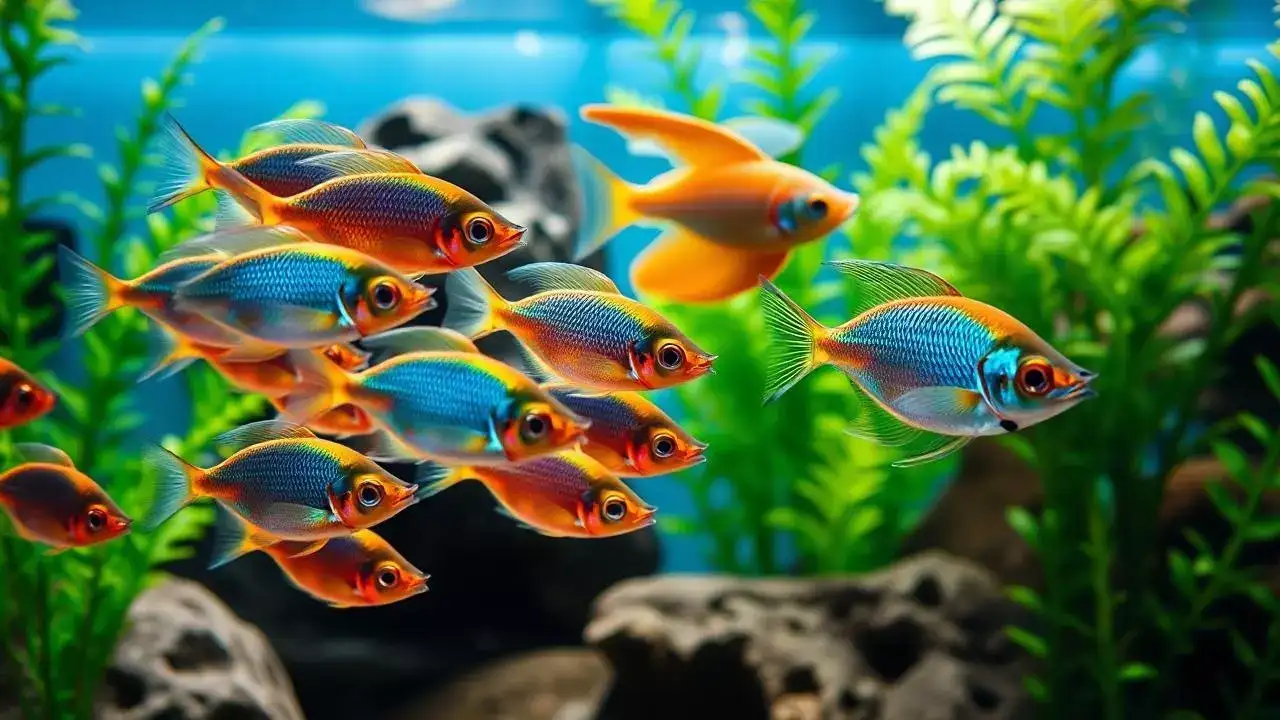
Beneficial bacteria live in the filter media, gravel and other surfaces inside the tank. These bacteria break down harmful waste such as ammonia and nitrites. Removing them entirely can disrupt the nitrogen cycle and cause dangerous spikes in toxins. That is why proper aquarium maintenance tips focus on preserving this natural balance rather than sterilising the tank completely.
Understanding this principle is the first step towards stress free fish care . Cleaning should maintain stability, not reset the ecosystem.
Never use soap or household cleaning products on aquarium equipment. Even small traces can be toxic to fish. Rinse tools with plain water if needed.
Turn off electrical equipment such as heaters and filters before removing water. This prevents damage to equipment and ensures safety. However, avoid turning off the system for longer than necessary, as filters contain beneficial bacteria that require oxygenated water to survive.
Planning each step in advance helps you complete the task quickly and calmly, minimising disruption to your fish.
Use a gravel vacuum to siphon out water while gently cleaning the substrate. This removes debris, uneaten food and fish waste without disturbing the entire tank. Avoid stirring up excessive sediment, as this can cloud the water and stress fish.
When adding fresh water, ensure it matches the tank temperature closely. Sudden temperature differences can shock fish. Always treat tap water with a water conditioner to neutralise chlorine and chloramine before introducing it into the tank. Maintaining stable aquarium water quality is far more important than achieving perfectly clear water in a single session.
Decorations and rocks can be gently rinsed in removed tank water during a water change. This helps remove excess debris while preserving beneficial bacteria. Do not wash them under untreated tap water, as chlorine can kill helpful microorganisms.
If algae growth is persistent, consider adjusting lighting duration rather than intensifying cleaning. Excess light often contributes to rapid algae development.
Replace filter media only when it begins to fall apart, and avoid replacing all media at once. Stagger replacements if your filter uses multiple components. Preserving beneficial bacteria ensures the nitrogen cycle remains stable, preventing harmful ammonia spikes.
Regular but gentle filter maintenance is central to how to clean a fish tank effectively without destabilising the environment.
Check water temperature and ensure that treated water was used. Test water parameters if unusual behaviour persists. Consistent fish tank cleaning routines reduce the likelihood of sudden environmental shifts.
Establishing a predictable schedule also helps fish adapt. When maintenance occurs at regular intervals, the disturbance becomes part of their routine rather than an unexpected event.
Avoid overfeeding, as excess food increases waste and accelerates water contamination. A balanced feeding schedule supports both fish health and easier maintenance.
Live plants can also improve aquarium water quality by absorbing nitrates and competing with algae. A well planted tank often requires less aggressive cleaning over time.
By following practical aquarium maintenance tips and focusing on stability, fish tank cleaning becomes a calm and controlled process. The goal is not to create a sterile environment but to support a balanced ecosystem. When carried out thoughtfully, regular maintenance protects your fish, enhances clarity and keeps your underwater world thriving without unnecessary stress.
Why Gentle Cleaning Matters For Fish Health
Fish are highly sensitive to changes in their environment. Temperature fluctuations, shifts in pH levels and the removal of beneficial bacteria can all create stress. Stress weakens the immune system of fish, making them more vulnerable to disease.Beneficial bacteria live in the filter media, gravel and other surfaces inside the tank. These bacteria break down harmful waste such as ammonia and nitrites. Removing them entirely can disrupt the nitrogen cycle and cause dangerous spikes in toxins. That is why proper aquarium maintenance tips focus on preserving this natural balance rather than sterilising the tank completely.
Understanding this principle is the first step towards stress free fish care . Cleaning should maintain stability, not reset the ecosystem.
Prepare Before You Begin Fish Tank Cleaning
Preparation reduces both mess and fish anxiety. Gather all necessary equipment before you start. This typically includes a gravel vacuum or siphon, a clean bucket reserved only for aquarium use, an algae scraper, a thermometer and water conditioner.Never use soap or household cleaning products on aquarium equipment. Even small traces can be toxic to fish. Rinse tools with plain water if needed.
Turn off electrical equipment such as heaters and filters before removing water. This prevents damage to equipment and ensures safety. However, avoid turning off the system for longer than necessary, as filters contain beneficial bacteria that require oxygenated water to survive.
Planning each step in advance helps you complete the task quickly and calmly, minimising disruption to your fish.
Perform A Partial Water Change Instead Of A Full Replacement
One of the most important aquarium maintenance tips is to carry out a partial water change rather than replacing all the water. Typically, changing 20 to 30 percent of the tank water once a week is sufficient for most freshwater aquariums.Use a gravel vacuum to siphon out water while gently cleaning the substrate. This removes debris, uneaten food and fish waste without disturbing the entire tank. Avoid stirring up excessive sediment, as this can cloud the water and stress fish.
When adding fresh water, ensure it matches the tank temperature closely. Sudden temperature differences can shock fish. Always treat tap water with a water conditioner to neutralise chlorine and chloramine before introducing it into the tank. Maintaining stable aquarium water quality is far more important than achieving perfectly clear water in a single session.
Clean The Glass And Decorations Carefully
Algae growth on glass is common and harmless in small amounts, but excessive build up reduces visibility and can affect water quality. Use an algae scraper or magnetic cleaner designed specifically for aquariums. Avoid scraping too aggressively, especially near silicone seals.Decorations and rocks can be gently rinsed in removed tank water during a water change. This helps remove excess debris while preserving beneficial bacteria. Do not wash them under untreated tap water, as chlorine can kill helpful microorganisms.
If algae growth is persistent, consider adjusting lighting duration rather than intensifying cleaning. Excess light often contributes to rapid algae development.
Maintain The Filter Without Destroying Beneficial Bacteria
The filter plays a crucial role in biological filtration. However, cleaning it incorrectly is a common mistake. Never rinse filter media under running tap water. Instead, gently swish it in a bucket of water removed from the tank during a partial water change.Replace filter media only when it begins to fall apart, and avoid replacing all media at once. Stagger replacements if your filter uses multiple components. Preserving beneficial bacteria ensures the nitrogen cycle remains stable, preventing harmful ammonia spikes.
Regular but gentle filter maintenance is central to how to clean a fish tank effectively without destabilising the environment.
Observe Fish Behaviour During And After Cleaning
Fish behaviour provides valuable clues about stress levels. During cleaning, fish may swim away from equipment or hide briefly. This is normal. However, frantic swimming, gasping at the surface or unusual lethargy after maintenance may indicate a problem.Check water temperature and ensure that treated water was used. Test water parameters if unusual behaviour persists. Consistent fish tank cleaning routines reduce the likelihood of sudden environmental shifts.
Establishing a predictable schedule also helps fish adapt. When maintenance occurs at regular intervals, the disturbance becomes part of their routine rather than an unexpected event.
Create A Sustainable Cleaning Routine
Consistency is more effective than occasional deep cleaning. Weekly partial water changes, monthly filter checks and regular visual inspections keep the tank healthy without overwhelming fish.Avoid overfeeding, as excess food increases waste and accelerates water contamination. A balanced feeding schedule supports both fish health and easier maintenance.
Live plants can also improve aquarium water quality by absorbing nitrates and competing with algae. A well planted tank often requires less aggressive cleaning over time.
By following practical aquarium maintenance tips and focusing on stability, fish tank cleaning becomes a calm and controlled process. The goal is not to create a sterile environment but to support a balanced ecosystem. When carried out thoughtfully, regular maintenance protects your fish, enhances clarity and keeps your underwater world thriving without unnecessary stress.
Next Story