
Nature’s Magic: Birds That Change Their Feather Colours

Nature never runs out of surprises, and colour-changing birds are among its most fascinating wonders. While birds do not change colour as dramatically as chameleons, several species around the world shift their appearance due to seasons, breeding cycles, light reflection, or feather wear. These transformations can be subtle or striking, turning already beautiful birds into living works of art.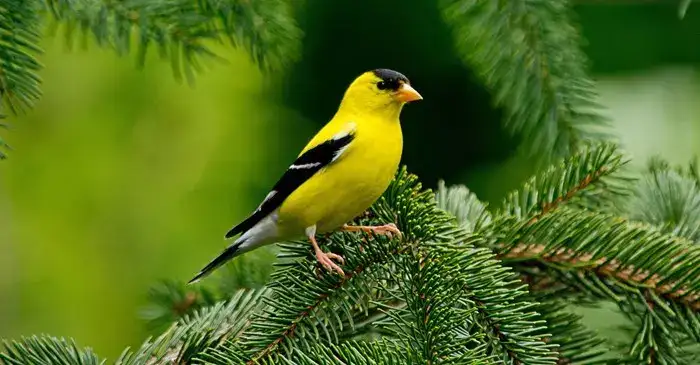
Here are some remarkable birds from around the globe known for their changing colours.
Rock Ptarmigan
Found in Arctic and alpine regions, the Rock Ptarmigan is famous for its dramatic seasonal transformation. During summer, it sports mottled brown feathers that blend with rocky landscapes. When winter arrives, it turns almost completely white, helping it camouflage in snow. This seasonal shift protects it from predators and harsh weather conditions.
Snowy Egret
The Snowy Egret may appear mostly white year-round, but during the breeding season, it develops elegant, wispy plumes and brighter facial colours. Its lores, the skin between the eyes and bill, can shift to vibrant shades, adding to its striking appearance. These temporary colour enhancements help attract mates.
Indian Peafowl
Native to the Indian subcontinent, the Indian Peafowl is known for its dazzling plumage. While males are vibrant throughout much of the year, their feathers become especially iridescent and eye-catching during the breeding season. After mating season, males shed their long train feathers, leading to a noticeable change in appearance.
Scarlet Ibis
The Scarlet Ibis is famous for its brilliant red colour. However, its vibrant hue depends on its diet, particularly crustaceans rich in carotenoids. When young, these birds are dull brown or grey. As they mature and consume the right nutrients, their feathers gradually turn a stunning scarlet.
Atlantic Puffin
The Atlantic Puffin undergoes seasonal facial changes. During the breeding season, its beak becomes bright and colourful with bold orange, yellow, and blue tones. Outside the breeding period, the outer layers of the beak shed, leaving it smaller and duller. This shift creates a noticeable contrast between seasons.
American Goldfinch
The American Goldfinch shows one of the most visible seasonal changes among songbirds. Males display brilliant yellow feathers with black caps in summer. As winter approaches, they transition to a more muted olive-brown tone. This moulting process helps them adapt to colder months while conserving energy.
Wilson’s Bird-of-Paradise
Native to Indonesia, Wilson’s Bird-of-Paradise is known for its radiant colours. Though its vibrant plumage remains fairly consistent, the way it appears can change dramatically depending on light and display posture. The iridescent feathers reflect light differently, making the bird look as though it is shifting colours during courtship dances.
Why Do Birds Change Colour?
Colour changes in birds happen for several reasons. Seasonal camouflage helps them blend into their surroundings. Breeding plumage makes them more attractive to potential mates. Diet can influence feather pigmentation, and moulting replaces worn feathers with fresh ones. In some cases, structural colours reflect light differently, creating an illusion of shifting shades.
These natural transformations remind us how dynamic and adaptable wildlife can be. From snowy landscapes to tropical forests, colour-changing birds add another layer of wonder to our planet’s biodiversity. Watching them shift with the seasons is a beautiful reminder that nature is always evolving.
Here are some remarkable birds from around the globe known for their changing colours.
Rock Ptarmigan
Found in Arctic and alpine regions, the Rock Ptarmigan is famous for its dramatic seasonal transformation. During summer, it sports mottled brown feathers that blend with rocky landscapes. When winter arrives, it turns almost completely white, helping it camouflage in snow. This seasonal shift protects it from predators and harsh weather conditions. Snowy Egret
The Snowy Egret may appear mostly white year-round, but during the breeding season, it develops elegant, wispy plumes and brighter facial colours. Its lores, the skin between the eyes and bill, can shift to vibrant shades, adding to its striking appearance. These temporary colour enhancements help attract mates.Indian Peafowl
Native to the Indian subcontinent, the Indian Peafowl is known for its dazzling plumage. While males are vibrant throughout much of the year, their feathers become especially iridescent and eye-catching during the breeding season. After mating season, males shed their long train feathers, leading to a noticeable change in appearance. Scarlet Ibis
The Scarlet Ibis is famous for its brilliant red colour. However, its vibrant hue depends on its diet, particularly crustaceans rich in carotenoids. When young, these birds are dull brown or grey. As they mature and consume the right nutrients, their feathers gradually turn a stunning scarlet.Atlantic Puffin
The Atlantic Puffin undergoes seasonal facial changes. During the breeding season, its beak becomes bright and colourful with bold orange, yellow, and blue tones. Outside the breeding period, the outer layers of the beak shed, leaving it smaller and duller. This shift creates a noticeable contrast between seasons. American Goldfinch
The American Goldfinch shows one of the most visible seasonal changes among songbirds. Males display brilliant yellow feathers with black caps in summer. As winter approaches, they transition to a more muted olive-brown tone. This moulting process helps them adapt to colder months while conserving energy. Wilson’s Bird-of-Paradise
Native to Indonesia, Wilson’s Bird-of-Paradise is known for its radiant colours. Though its vibrant plumage remains fairly consistent, the way it appears can change dramatically depending on light and display posture. The iridescent feathers reflect light differently, making the bird look as though it is shifting colours during courtship dances. Why Do Birds Change Colour?
Colour changes in birds happen for several reasons. Seasonal camouflage helps them blend into their surroundings. Breeding plumage makes them more attractive to potential mates. Diet can influence feather pigmentation, and moulting replaces worn feathers with fresh ones. In some cases, structural colours reflect light differently, creating an illusion of shifting shades.These natural transformations remind us how dynamic and adaptable wildlife can be. From snowy landscapes to tropical forests, colour-changing birds add another layer of wonder to our planet’s biodiversity. Watching them shift with the seasons is a beautiful reminder that nature is always evolving.
Next Story