
Holi 2026; Colours, Beats And Celebration: How Music And Dance Shape Modern Holi Parties Across India

How Music And Dance Define The Energy Of Modern Holi Celebrations: Holi has always been a festival of colour, joy and collective celebration. Traditionally rooted in mythology and seasonal change, it marked the arrival of spring with community gatherings, devotional songs and playful exchanges of gulal. In recent years, however, Holi celebrations have evolved into high energy social events where music and dance play a central role. Modern Holi parties blend age old rituals with contemporary entertainment, creating experiences that appeal to younger generations while retaining cultural identity. From carefully curated Holi music playlists to viral Holi dance trends , sound and movement now shape the spirit of the festival as much as colour itself.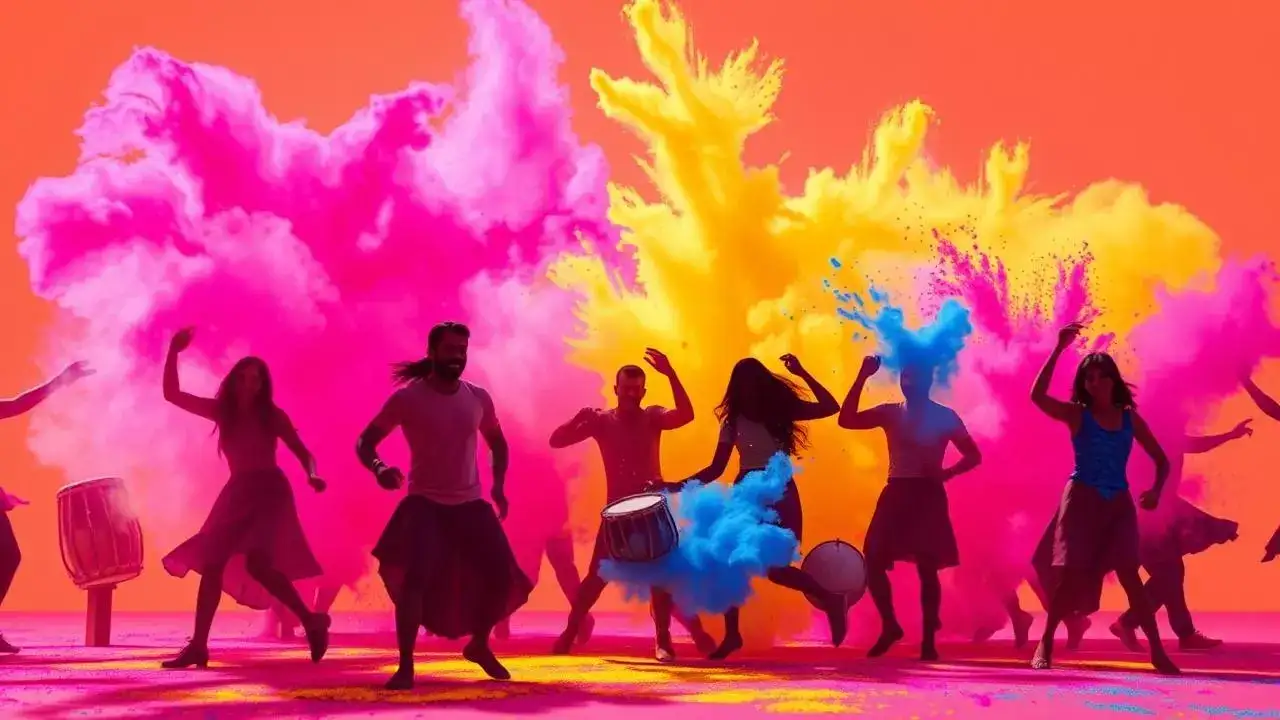
Today, while such traditions continue in many towns and villages, urban celebrations increasingly feature amplified sound systems and curated playlists. Bollywood Holi songs have become a defining element of modern Holi parties. Tracks from popular films are played repeatedly during celebrations, creating a shared cultural reference that unites people across regions.
The transition from purely folk music to a mix of cinematic and contemporary tracks reflects broader changes in festive party culture India . Holi is no longer confined to neighbourhood courtyards. It now extends to housing complexes, clubs, resorts and organised ticketed events.
These events often promote themselves as rain dance parties, complete with water sprinklers and foam zones. Music becomes the driving force, setting the tempo for the entire celebration. The rhythm dictates when colours are thrown, when crowds jump together and when group dances break out spontaneously.
For many young adults, this format represents a contemporary way of celebrating tradition. It allows them to connect with cultural roots while embracing global party aesthetics.
These songs serve as emotional triggers. The moment familiar beats begin, participants instinctively gather, clap and dance. Even those who may not consider themselves dancers often join in, swept up by collective energy.
This shared cultural memory reinforces the social aspect of the festival. Music acts as a unifying language, bridging age groups and social backgrounds. Whether in a metropolitan city or a smaller town, similar tracks echo through the air, creating a sense of national celebration.
Holi dance trends often emerge organically through social media. Short dance videos filmed during celebrations circulate widely, influencing how others celebrate. Simple steps, group formations and colour throws timed to musical drops become part of the shared experience.
Beyond entertainment, dance also serves as emotional release. The festival coincides with the end of winter and symbolises renewal. Moving to music amidst vibrant colours creates a sensory experience that feels liberating and joyful.
As a result, event organisers increasingly design Holi parties with visual impact in mind. Timed music drops, synchronised colour throws and themed dress codes enhance the spectacle. The interplay of rhythm and colour creates scenes that are both immersive in person and compelling on screen.
This trend has elevated modern Holi parties into curated experiences. Music is not merely background sound but a central feature that shapes the narrative of the event.
In some settings, organisers begin with devotional songs or folk performances before transitioning into high energy dance tracks. This blend ensures that the spiritual and cultural essence of the festival is not entirely overshadowed by entertainment.
Festive party culture India continues to evolve, but the core themes of unity, joy and renewal remain intact. Music and dance simply provide new channels for expressing these timeless values.
However, the essence of the festival lies in collective participation. Whether through traditional folk singing or contemporary DJ sets, the power of Holi lies in shared rhythm and shared colour.
Music and dance have transformed modern Holi parties into dynamic, multisensory experiences. They amplify excitement, foster connection and ensure that the festival continues to resonate with younger generations. As long as people gather to sing, move and celebrate together, Holi will remain not only a festival of colours but also a festival of sound and joyful movement.
From Folk Traditions To Festival Soundtracks
Historically, Holi music was deeply connected to regional culture. In parts of North India, traditional folk songs known as phag or hori were sung in groups, often accompanied by dholak and other percussion instruments. These songs celebrated devotion, romance and the playful stories associated with the festival.Today, while such traditions continue in many towns and villages, urban celebrations increasingly feature amplified sound systems and curated playlists. Bollywood Holi songs have become a defining element of modern Holi parties. Tracks from popular films are played repeatedly during celebrations, creating a shared cultural reference that unites people across regions.
The transition from purely folk music to a mix of cinematic and contemporary tracks reflects broader changes in festive party culture India . Holi is no longer confined to neighbourhood courtyards. It now extends to housing complexes, clubs, resorts and organised ticketed events.
The Rise Of DJ Led Holi Parties
One of the most visible shifts in modern Holi parties is the rise of DJ driven events. Professional DJs create high energy Holi music playlists that combine Bollywood hits, electronic dance music and remixed traditional tracks. Powerful speakers, lighting setups and stage performances transform open grounds into festival like arenas.These events often promote themselves as rain dance parties, complete with water sprinklers and foam zones. Music becomes the driving force, setting the tempo for the entire celebration. The rhythm dictates when colours are thrown, when crowds jump together and when group dances break out spontaneously.
For many young adults, this format represents a contemporary way of celebrating tradition. It allows them to connect with cultural roots while embracing global party aesthetics.
Bollywood Holi Songs And Shared Cultural Memory
Bollywood has played a significant role in shaping Holi dance trends. Iconic film scenes featuring actors dancing amidst clouds of colour have influenced how people imagine the festival. Certain songs are almost synonymous with Holi and are played year after year.These songs serve as emotional triggers. The moment familiar beats begin, participants instinctively gather, clap and dance. Even those who may not consider themselves dancers often join in, swept up by collective energy.
This shared cultural memory reinforces the social aspect of the festival. Music acts as a unifying language, bridging age groups and social backgrounds. Whether in a metropolitan city or a smaller town, similar tracks echo through the air, creating a sense of national celebration.
Dance As A Form Of Expression And Release
Dance during Holi is rarely choreographed or formal. Instead, it is spontaneous and inclusive. The open nature of the celebration encourages people to move freely without concern for technique or appearance. This freedom is a defining feature of modern Holi parties.Holi dance trends often emerge organically through social media. Short dance videos filmed during celebrations circulate widely, influencing how others celebrate. Simple steps, group formations and colour throws timed to musical drops become part of the shared experience.
Beyond entertainment, dance also serves as emotional release. The festival coincides with the end of winter and symbolises renewal. Moving to music amidst vibrant colours creates a sensory experience that feels liberating and joyful.
Social Media And The Visual Impact Of Music And Movement
In the digital age, Holi celebration ideas are often inspired by what people see online. Music and dance are highly visual and shareable elements. Videos of coordinated colour bursts, slow motion dance sequences and DJ countdown moments dominate social platforms during the festival.You may also like
- AI Summit 2026: US, China, EU and a total of 88 countries sign New Delhi Declaration on global AI Impact; What's in it and why it matters
- Domestic dispute: Man held in Delhi for pushing wife to death from first floor
- J-K: Budgam Police cracks down on terror network, attaches property of JKNOP in major action
- Dhurandhar 2 Vs Toxic- Director Calls The Clash Unfortunate As They Will Eat Each Other's Business
- Congress lacks courage to face facts: Rajasthan CM to Oppn amid Assembly uproar
As a result, event organisers increasingly design Holi parties with visual impact in mind. Timed music drops, synchronised colour throws and themed dress codes enhance the spectacle. The interplay of rhythm and colour creates scenes that are both immersive in person and compelling on screen.
This trend has elevated modern Holi parties into curated experiences. Music is not merely background sound but a central feature that shapes the narrative of the event.
Balancing Modern Energy With Cultural Roots
While contemporary Holi celebrations often resemble music festivals, many communities strive to maintain cultural depth. Morning rituals, traditional sweets and family gatherings frequently precede afternoon DJ parties.In some settings, organisers begin with devotional songs or folk performances before transitioning into high energy dance tracks. This blend ensures that the spiritual and cultural essence of the festival is not entirely overshadowed by entertainment.
Festive party culture India continues to evolve, but the core themes of unity, joy and renewal remain intact. Music and dance simply provide new channels for expressing these timeless values.
The Future Of Holi Celebrations
As technology and entertainment trends advance, music and dance will likely become even more central to Holi festivities. Live performances, themed festivals and cross genre collaborations may shape future celebrations.However, the essence of the festival lies in collective participation. Whether through traditional folk singing or contemporary DJ sets, the power of Holi lies in shared rhythm and shared colour.
Music and dance have transformed modern Holi parties into dynamic, multisensory experiences. They amplify excitement, foster connection and ensure that the festival continues to resonate with younger generations. As long as people gather to sing, move and celebrate together, Holi will remain not only a festival of colours but also a festival of sound and joyful movement.






More from our partners


Loving Newspoint? Download the app now
